You Don't Have to Be Unhappy to Pay Attention to the World
Why It Matters
Mindfulness and proactive AI adoption can safeguard mental health and employment, while informing policy responses to technology‑driven job displacement.
Key Takeaways
- •Mindfulness separates attention from unnecessary unhappiness, enabling clearer decision‑making.
- •Unhappy focus rarely improves productivity or communication in professional contexts.
- •AI should be treated as a tool, not avoided.
- •Job displacement from AI will require societal solutions soon.
- •Community rituals persist despite broader secular trends, offering comfort.
Summary
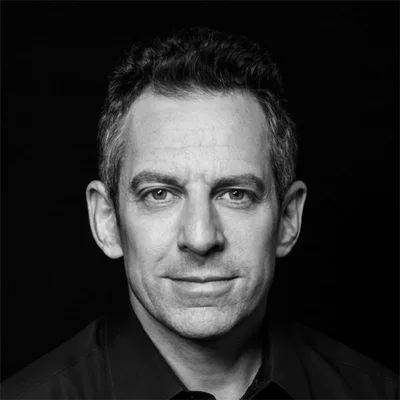
In this episode of “More from Sam,” host Sam addresses audience‑submitted questions about anxiety, mindfulness, and the accelerating impact of artificial intelligence on work and daily life.
Sam argues that unhappiness is not a necessary by‑product of staying informed, proposing a simple filter: ask whether your distress adds value. He contends that mindfulness lets people curate their attention, avoiding needless misery while still engaging with genuine risks such as pandemics or nuclear proliferation.
He advises treating AI as a collaborator—‘make AI your friend’—rather than a threat, noting that while some high‑skill workers can leverage it, many lower‑skill roles face imminent displacement. Sam also references cultural shifts, citing a New York Times headline on church attendance and a Rubio video, to illustrate how familiar rituals provide comfort amid uncertainty.
The takeaway for professionals is clear: develop a mindfulness practice now, use AI strategically, and push for collective policy solutions to absorb productivity gains without mass unemployment. Those who ignore these steps risk both personal burnout and broader economic disruption.
Comments
Want to join the conversation?
Loading comments...