Key Takeaways
- •AI-native builds intelligence into building systems, not as an add‑on
- •AI-ready infrastructure is the bridge between legacy and AI-native
- •Governance chain ensures AI actions are admissible and verifiable
- •Trust hinges on evidence, not just ROI, for autonomous buildings
- •BACnet’s open protocol precedent mirrors today’s AI-native shift
Pulse Analysis
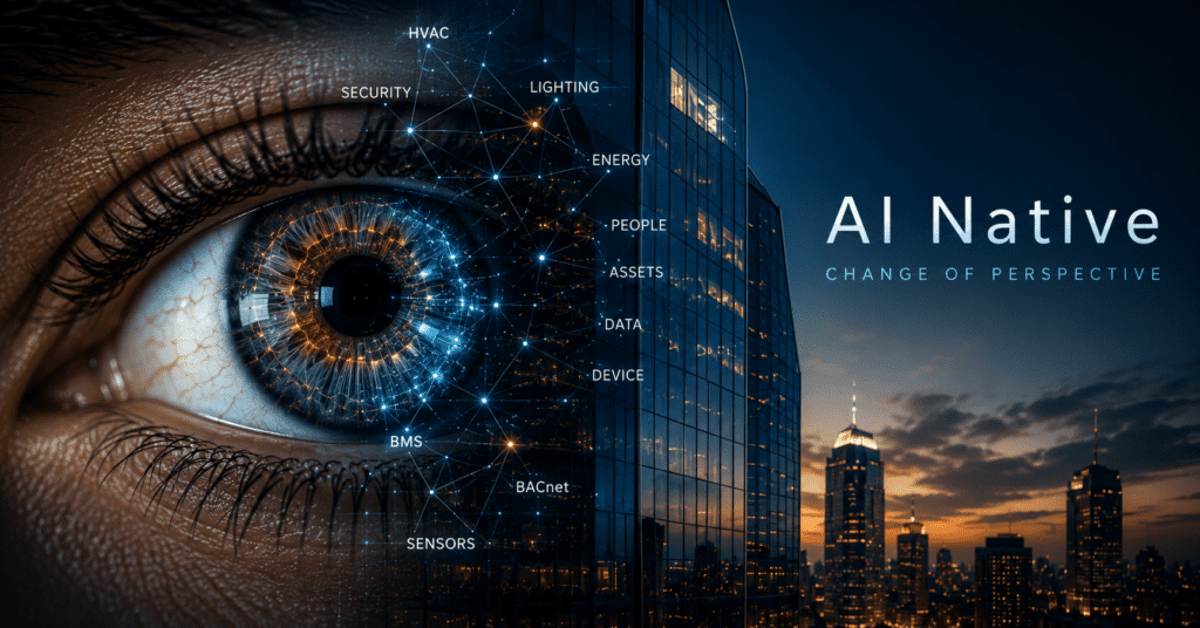
The shift toward AI‑native architecture mirrors past paradigm changes in building automation, most notably the adoption of BACnet in the 1990s. BACnet forced vendors to abandon proprietary protocols in favor of open, interoperable communication, catalyzing a three‑decade evolution of networked facilities. Today, AI‑native demands a similar overhaul: intelligence must be baked into the system’s DNA, requiring unified data models, real‑time semantic graphs, and continuous feedback loops that replace the patchwork of dashboards and point‑list assistants that dominate current installations.
A critical, often overlooked component of this transition is governance. As buildings begin to act autonomously—adjusting setpoints, generating work orders, or even overriding controls—the legal and operational defensibility of those actions becomes paramount. Greggory Don Butler’s proposed chain—reality, record, continuity, admissibility, binding, commit, execution, verified outcome—offers a roadmap for ensuring every AI decision is traceable and provable. Without such a framework, operators risk regulatory backlash and loss of stakeholder confidence, especially as AI‑driven interventions outpace human oversight.
Finally, trust will be the market’s true litmus test. While ROI calculations have traditionally driven technology adoption, owners and operators will only entrust autonomous systems that can demonstrate transparent evidence and explainability. Vendors must therefore shift from selling isolated AI features to delivering end‑to‑end, AI‑native platforms that embed data provenance, semantic routing, and auditability from day one. Those who embrace this holistic approach will shape the next chapter of the built environment, turning smart buildings into self‑justifying, resilient assets.
AI-Native: A Change of Perspective
Comments
Want to join the conversation?