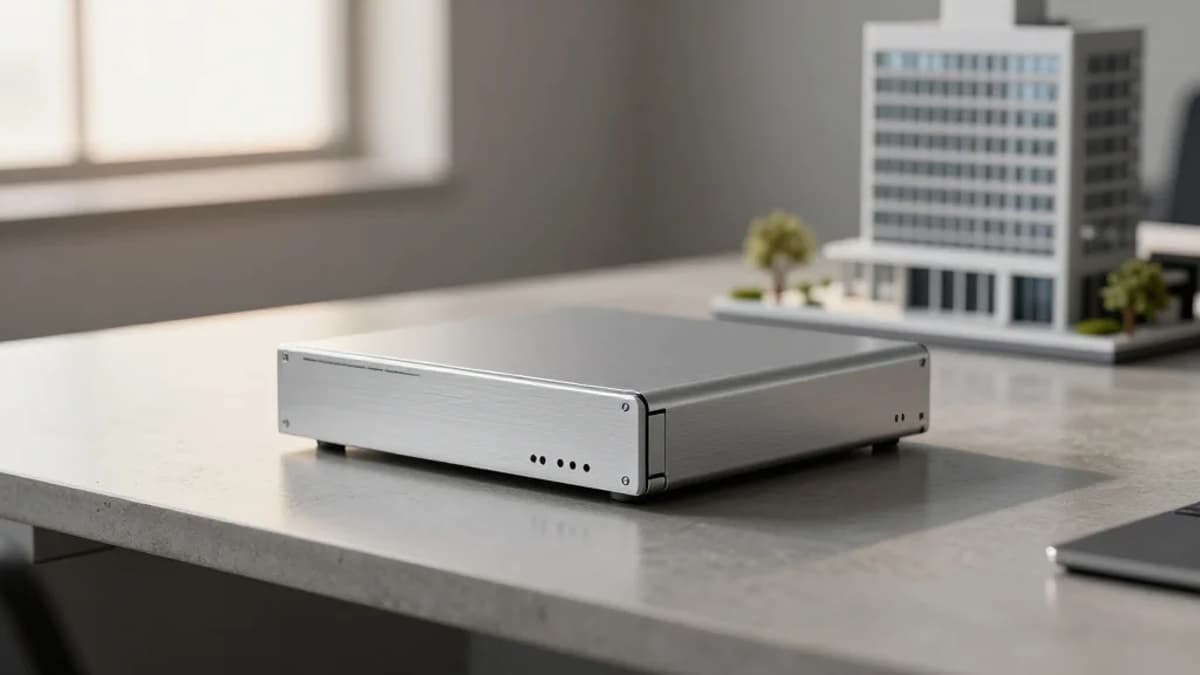
PROPTECH-X : Most Buildings Have a Data Room, What if that It Could Be a Revenue Stream Too?
•February 24, 2026
0

Why It Matters
Turning data rooms into profit centers unlocks new income streams for CRE owners and accelerates the sector’s digital transformation, strengthening competitive positioning.
Key Takeaways
- •Data rooms exist in most commercial properties today
- •Edge infrastructure can be leased to tenants for fees
- •Monetization reduces building operating costs
- •Localized cloud services improve tenant digital performance
- •Revenue models require clear service‑level agreements
Pulse Analysis
Commercial real estate is rapidly evolving from a purely physical asset class to a hybrid of brick‑and‑mortar and digital infrastructure. Data rooms—small, secure facilities that house networking gear, edge servers, and IoT gateways—have become commonplace in office towers, campuses, and mixed‑use developments. Their strategic location within a building reduces latency for critical applications, supports smart‑building sensors, and provides a foundation for distributed computing. As tenants demand faster, more reliable connectivity, property owners can leverage these existing assets rather than building new data centers from scratch.
Monetizing a data room involves packaging its capabilities into sellable services. Owners can lease bandwidth, offer private 5G or Wi‑Fi 6 networks, and provide edge‑as‑a‑service platforms for real‑time analytics, AI inference, or video processing. Pricing models range from flat monthly fees to usage‑based charges, mirroring cloud provider structures but with the advantage of proximity to end‑users. Early adopters have reported up to 15% uplift in ancillary revenue, while tenants benefit from reduced latency, enhanced security, and compliance with data‑sovereignty regulations. Bundling these services with traditional lease agreements creates a compelling value proposition that differentiates properties in a crowded market.
The shift toward revenue‑generating data rooms also raises operational and regulatory considerations. Property managers must establish robust service‑level agreements, ensure cybersecurity hygiene, and navigate telecom licensing requirements. Investment in skilled staff or third‑party partners is essential to maintain uptime and support tenant integrations. Over the next five years, analysts predict that data‑room monetization will become a standard component of CRE asset management, driving both top‑line growth and resilience against market volatility. Buildings that proactively adopt edge infrastructure will likely command higher occupancy rates and attract technology‑focused tenants, cementing their role in the digital economy.
PROPTECH-X : Most buildings have a data room, what if that it could be a revenue stream too?
0
Comments
Want to join the conversation?
Loading comments...