Protected: Seven Building Services Trends to Watch in 2026
Key Takeaways
- •AI-powered predictive maintenance reduces downtime
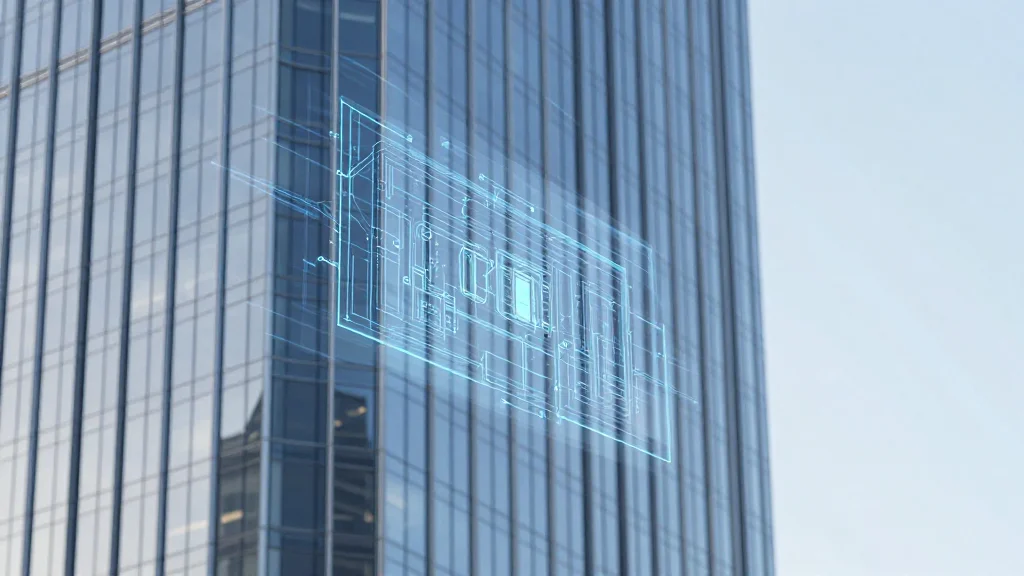
- •Digital twins optimize building performance in real time
- •Net-zero targets drive renewable energy integration
- •Health-centric design prioritizes air quality monitoring
- •Modular HVAC systems accelerate construction timelines
Pulse Analysis
The building‑services sector is entering a transformative phase, driven by advances in artificial intelligence and data analytics. AI algorithms now predict equipment failures weeks in advance, allowing operators to schedule maintenance during low‑impact windows and slash unplanned outages. Coupled with digital‑twin technology, facilities can simulate energy flows, occupant comfort, and equipment wear in a virtual replica, fine‑tuning systems before physical changes are made. This convergence not only trims operating expenses but also supports tighter ESG reporting, a growing demand from investors and regulators.
Sustainability imperatives are pushing net‑zero ambitions into the core of building design. Renewable energy integration—solar façades, on‑site wind, and battery storage—is becoming standard, while heat‑pump‑based HVAC replaces fossil‑fuel boilers in new projects. Simultaneously, post‑pandemic health concerns elevate indoor air quality to a strategic priority. Real‑time CO₂, VOC, and particulate monitoring, combined with advanced filtration, are now baseline specifications for commercial and institutional spaces. These health‑centric upgrades improve occupant productivity and reduce liability, creating a clear business case beyond compliance.
Modular construction and IoT connectivity are shortening project timelines and enhancing system resilience. Prefabricated HVAC modules arrive on‑site ready for rapid installation, cutting labor costs and minimizing disruption. Integrated sensor networks feed continuous performance data to edge‑computing platforms, enabling swift adjustments to external climate events such as heatwaves or storms. As climate volatility intensifies, buildings that can adapt in real time will command premium valuations, prompting owners to invest in flexible, data‑rich infrastructure. Together, these trends define a smarter, greener, and more resilient built environment for 2026 and beyond.
Protected: Seven building services trends to watch in 2026
Comments
Want to join the conversation?