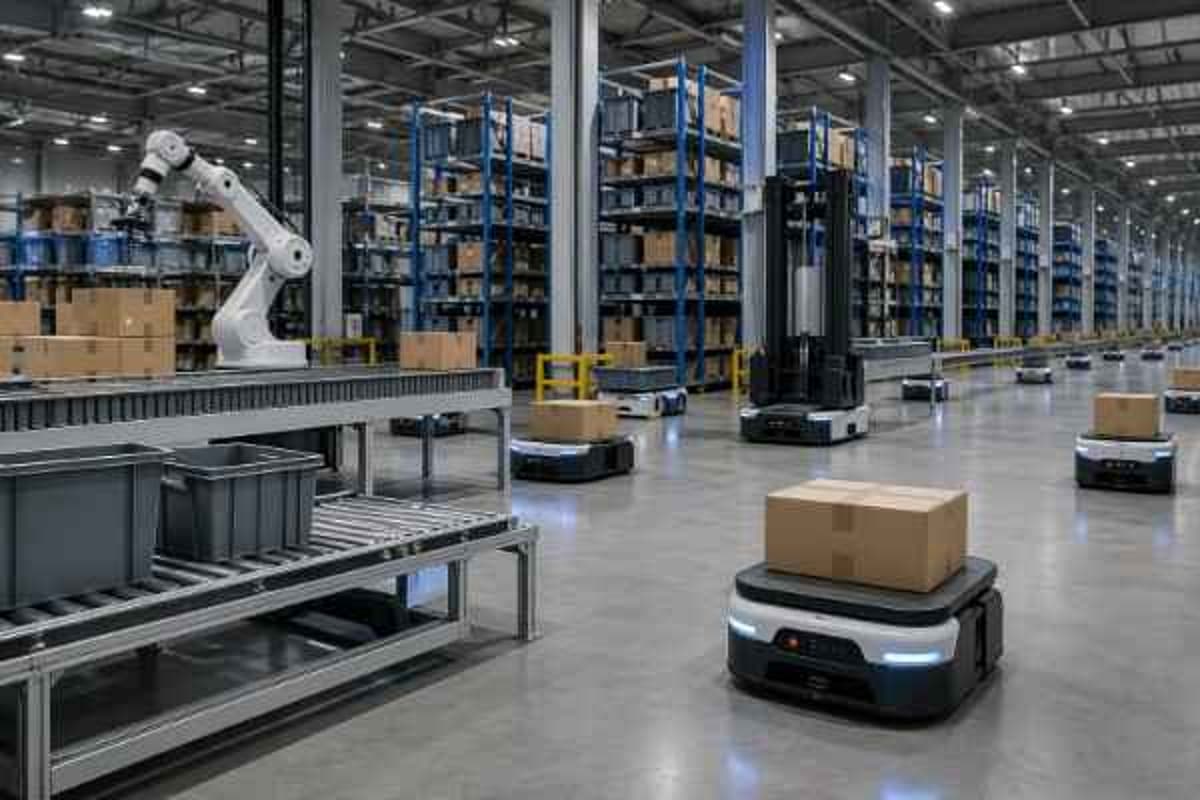
Automation Boosts Demand for Modern Logistics Space in Europe
Companies Mentioned
Why It Matters
Automated warehouses increase operational efficiency and reduce labor costs, making modern logistics assets more valuable to investors and tenants. The surge in demand reshapes European CRE investment strategies and accelerates construction of next‑generation distribution centers.
Key Takeaways
- •Prologis forecasts 45% of European warehouses automated by 2035.
- •Automation drives demand for higher‑ceiling, tech‑ready logistics buildings.
- •Tenants prioritize flexible floor plates and integrated robotics infrastructure.
- •Investors target assets with built‑in power, data, and connectivity.
- •Labor shortages and e‑commerce growth accelerate modern warehouse construction.
Pulse Analysis
The rise of automation in European logistics is more than a technological upgrade; it represents a structural shift in supply‑chain design. As retailers and manufacturers chase faster delivery windows, the need for warehouses that can host robotic pickers, autonomous guided vehicles, and AI‑optimized storage becomes critical. Modern facilities must therefore provide higher floor‑to‑ceiling heights, reinforced floors, and extensive power and data infrastructure—features that older stock‑yard style buildings cannot support.
Developers are rapidly adapting their portfolios to meet this demand. New projects emphasize modular layouts, allowing tenants to reconfigure spaces as automation scales. Integrated building management systems enable real‑time monitoring of energy use, temperature, and equipment performance, aligning with ESG goals and reducing operating expenses. Capital markets are rewarding these forward‑looking assets, with investors allocating premium valuations to properties that already incorporate or can easily retrofit automation capabilities.
For tenants, the benefits are tangible. Automated systems cut order‑processing times, lower error rates, and mitigate the impact of a tightening labor market. Companies that secure modern, automation‑ready warehouses gain a competitive edge in meeting consumer expectations for same‑day or next‑day delivery. Consequently, the European logistics landscape is poised for a construction boom, with developers, investors, and occupiers all aligning around the imperative of a smarter, faster, and more resilient supply chain.
Automation boosts demand for modern logistics space in Europe
Comments
Want to join the conversation?
Loading comments...