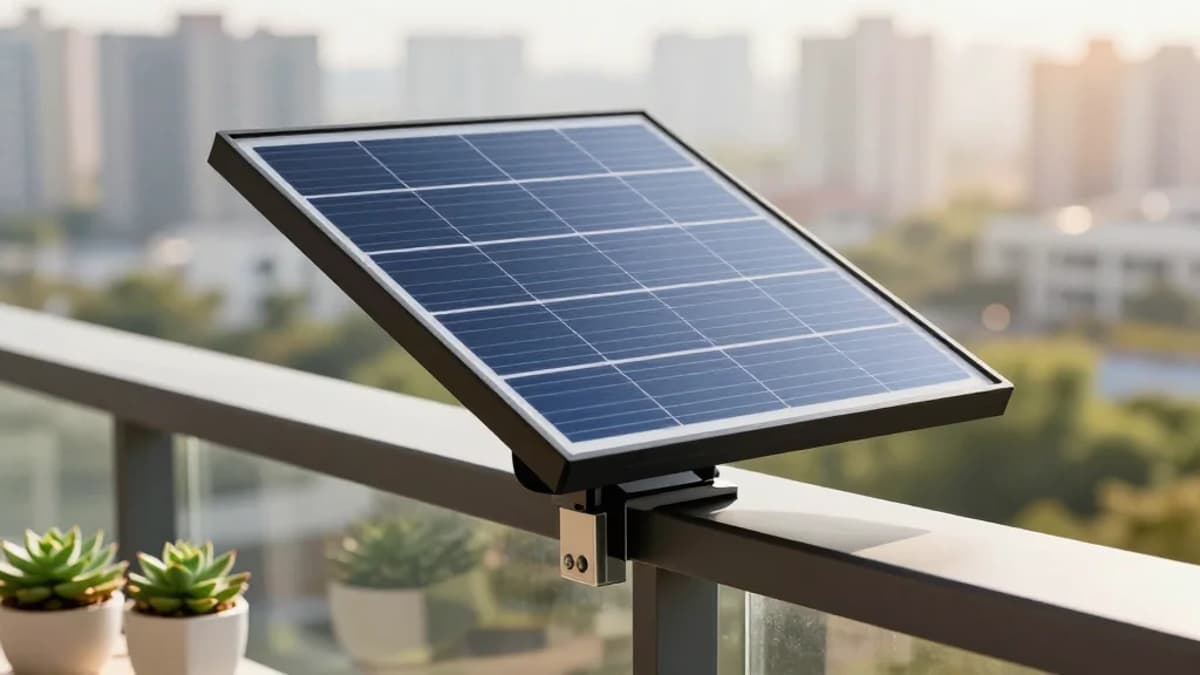
Balcony Solar Is Taking State Legislatures by Storm
•February 26, 2026
0
Why It Matters
The reforms could democratize solar power for renters and low‑income households, accelerating decarbonization and easing cost‑of‑living pressures. Legislative approval would also create a clear market for manufacturers of compact, plug‑and‑play panels.
Key Takeaways
- •28 states and DC introduced balcony solar bills
- •Utah already permits permissionless plug‑in panels
- •Bills target devices up to 1,200 W, no interconnection
- •Potential annual savings $100‑$300 per household
- •Utilities cite safety, but grid impact minimal
Pulse Analysis
Rising electricity rates have pushed consumers to seek affordable, decentralized power sources, and plug‑in balcony solar fits that niche perfectly. Unlike traditional rooftop arrays, these compact panels snap into a standard 120‑volt outlet, requiring no structural modifications or costly permits. Early adopters like Lauren Phillips in the Bronx report immediate bill reductions and a sense of empowerment, while nonprofit Bright Saver supplies low‑cost units to demonstrate viability. The technology’s modest output—typically 200‑800 watts—means it can offset a portion of daily consumption without overloading residential circuits, positioning it as a pragmatic bridge toward broader electrification.
Legislative momentum is sweeping across the United States, with bipartisan sponsors introducing bills in 28 states and the District of Columbia. The proposals share common elements: they cap system size at 1,200 watts, waive traditional interconnection agreements, and require certification from recognized testing labs such as UL Solutions. By removing bureaucratic hurdles, lawmakers aim to make solar accessible to renters, co‑op owners, and low‑income families who previously faced prohibitive upfront costs. Economic analyses suggest an average New York household could save roughly $279 per year, a figure projected to rise as utility prices continue their upward trajectory. This policy shift not only promises direct consumer savings but also expands the residential clean‑energy market, encouraging manufacturers to innovate portable, high‑efficiency panels.
Utility companies have raised safety objections, fearing back‑feed into the grid and potential overloads. However, experts note that the limited capacity of these devices means most generated power is consumed on‑site, with negligible export risk. Moreover, the proposed certification standards ensure devices meet stringent safety criteria before market entry. As states like Missouri, Washington, and Illinois move their bills toward passage, the sector stands on the cusp of rapid growth. If the regulatory gaps close, the United States could see millions of new micro‑solar installations, delivering both environmental benefits and a tangible reduction in household energy expenses.
Balcony solar is taking state legislatures by storm
0
Comments
Want to join the conversation?
Loading comments...