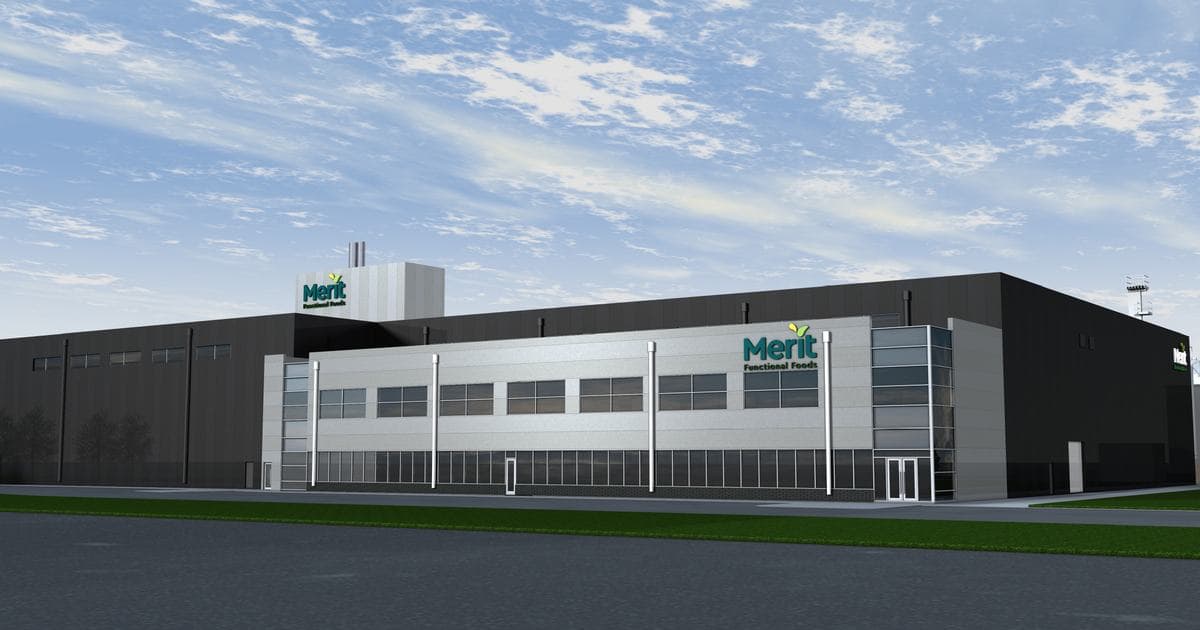
Bell Canada to Turn Winnipeg Food Processing Plant Into AI Data Center
Why It Matters
The project speeds up Canada’s domestic AI compute capacity, positioning Bell as a primary provider for enterprises that need low‑latency, locally hosted AI services while demonstrating a cost‑effective reuse of underutilized industrial space.
Key Takeaways
- •Bell invests ~US$17 M to convert Winnipeg plant into AI data center
- •Facility will deliver 5.5 MW power across 94,000 sq ft
- •Project part of Bell’s nationwide “AI Fabric” network expansion
- •Repurposed plant previously cost ~US$80 M for protein processing
- •Bell also developing 300 MW campus in Saskatchewan and partner sites
Pulse Analysis
Canada’s AI compute market is heating up as enterprises scramble for low‑latency, high‑throughput infrastructure. Bell Canada’s decision to transform a dormant protein‑processing plant into a purpose‑built AI data center reflects a broader industry trend of repurposing existing industrial footprints to meet the surge in demand for AI workloads. By leveraging the plant’s robust structural design and existing utilities, Bell can accelerate deployment timelines and reduce capital outlays compared with greenfield builds, giving it a competitive edge in a market where speed to market matters.
The Winnipeg site will host a 5.5 MW power capacity across a 94,000‑square‑foot footprint, supported by new generators, chillers and transformers. Beyond the technical specs, the project injects roughly US$17 million in local investment and is expected to generate construction and operational jobs in the CentrePort industrial zone. Converting a facility that originally cost about US$80 million for protein processing into a high‑tech AI hub also signals a pragmatic approach to asset utilization, turning a dormant economic liability into a growth engine for the region.
Bell’s broader “AI Fabric” strategy—spanning projects in Kamloops, a massive 300 MW campus in Saskatchewan, and partnerships with Hive Digital Technologies—aims to create a geographically dispersed, low‑latency AI network across Canada. This network not only supports domestic enterprises but also reduces reliance on U.S. data‑center services, aligning with national data‑sovereignty goals. As AI models grow larger and more compute‑intensive, Bell’s expanding footprint positions it to capture a larger share of the AI‑as‑a‑service market, while encouraging other telecoms and cloud providers to consider similar adaptive reuse models.
Bell Canada to turn Winnipeg food processing plant into AI data center
Comments
Want to join the conversation?
Loading comments...