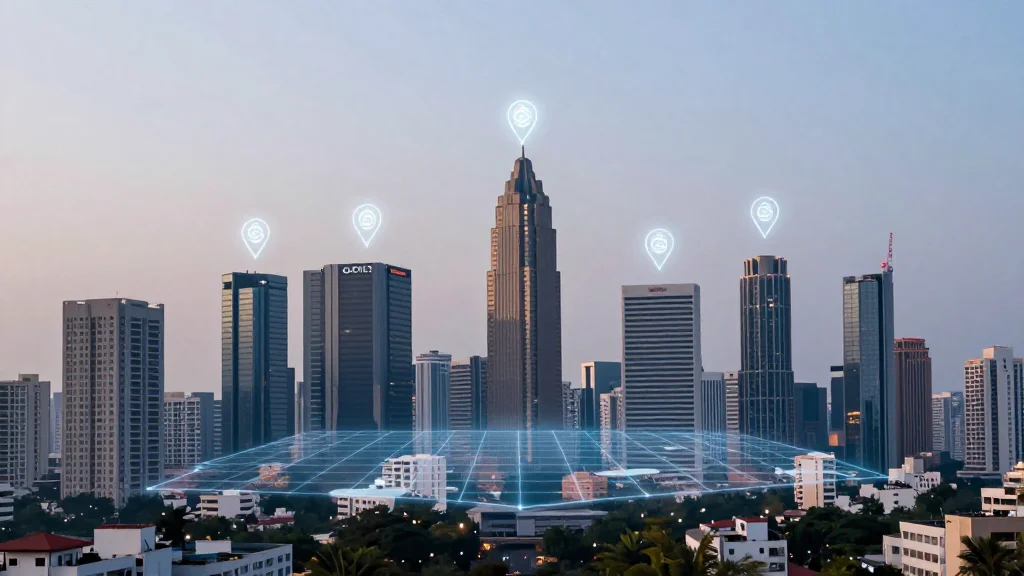
Bengaluru Registers 2.5 Million Homes on E‑Khata Digital Registry

Why It Matters
The e‑Khata digitisation tackles two chronic issues in India’s real‑estate market: opaque ownership records and lengthy, paper‑heavy transfer processes. By creating a single, verifiable source of truth, the system reduces the risk of title disputes, lowers transaction costs and accelerates financing, which can unlock liquidity for developers and homebuyers alike. Moreover, the integration of Aadhaar and GPS data sets a precedent for data‑driven urban governance, enabling smarter zoning, tax collection and infrastructure planning. For PropTech investors, the rollout signals a shift from fragmented, manual record‑keeping toward a data‑rich environment where technology can add measurable value. Startups that can layer analytics, AI‑based risk scoring or blockchain notarisation on top of the e‑Khata database will likely capture early market share, while incumbents may need to partner with the government to ensure compliance and data security.
Key Takeaways
- •Over 2.5 million Bengaluru properties now listed on e‑Khata, the largest single‑city digitisation in India.
- •Each record includes GPS coordinates, Aadhaar linkage, property shape, measurements and photos.
- •More than 50 service centres opened across the city to assist citizens with applications.
- •7,000+ e‑Khata applications processed so far; remaining owners targeted for full coverage by fiscal year‑end.
- •The digital registry opens opportunities for AI, blockchain and fintech solutions in the PropTech space.
Pulse Analysis
Bengaluru’s e‑Khata rollout is a watershed for Indian PropTech because it transforms a traditionally opaque market into a data‑rich ecosystem. Historically, title verification in India has been a bottleneck, often requiring multiple visits to municipal offices and reliance on handwritten ledgers. By centralising ownership data in a cloud‑based platform, the state not only reduces fraud but also creates a scalable API layer that can be monetised by third‑party developers. This mirrors the early days of land‑registry digitisation in the United States, where private firms built valuation and risk‑assessment tools on top of public records, eventually reshaping mortgage underwriting.
The immediate impact will be felt in mortgage lending. Banks can now pull a borrower’s property history instantly, cross‑checking Aadhaar‑linked identity with GPS‑verified parcels, cutting underwriting time from weeks to days. For developers, the certainty around land titles accelerates project approvals and reduces capital lock‑up. However, the success of the platform hinges on the government’s ability to maintain data integrity and protect privacy, especially given India’s stringent data‑protection debates.
Looking forward, the e‑Khata model could become a template for other Indian metros, creating a nationwide network of interoperable property registries. If that materialises, we could see a wave of cross‑city PropTech solutions—ranging from automated escrow services to AI‑driven market‑trend dashboards—fuelled by a unified, trustworthy data source. The next challenge will be ensuring that the digital infrastructure scales without compromising security, a balance that will define the long‑term viability of India’s PropTech ambitions.
Bengaluru registers 2.5 million homes on e‑Khata digital registry
Comments
Want to join the conversation?
Loading comments...