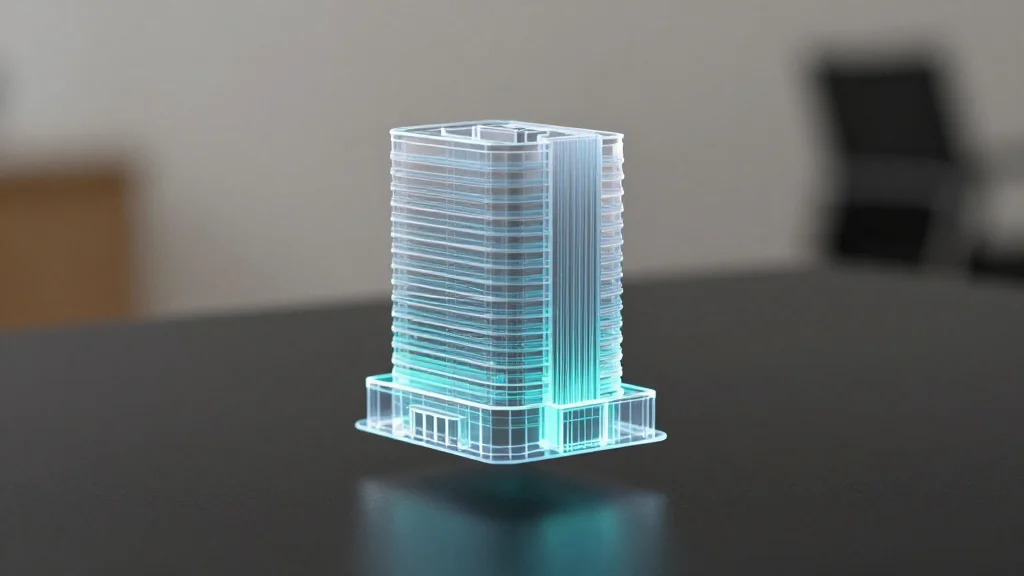
Cadence and Nvidia Expand AI Partnership to Speed Digital‑Twin Workflows for Real‑Estate Engineering

Companies Mentioned
Why It Matters
The Cadence‑Nvidia partnership brings high‑performance AI to the heart of digital‑twin creation, a technology that is rapidly becoming a cornerstone of modern real‑estate development. By slashing simulation times and automating complex design decisions, developers can accelerate project timelines, lower costs, and improve sustainability outcomes. Moreover, the integration of agentic AI across the design‑to‑construction continuum could set a new benchmark for how buildings are conceived, tested, and operated, influencing everything from zoning approvals to facility management. For the broader PropTech ecosystem, the collaboration signals that leading EDA and computing firms are committing resources to the built environment, encouraging startups and incumbents alike to embed AI‑driven digital twins into their product roadmaps. This could spur a wave of investment, talent migration, and standards development that reshapes the competitive landscape for years to come.
Key Takeaways
- •Cadence and Nvidia expand partnership to embed CUDA‑accelerated AI into EDA tools.
- •Speed improvements of up to 100× for simulation and design workflows.
- •Productivity gains of up to 10× reported for early ChipStack AI Super Agent deployments.
- •Collaboration targets digital‑twin creation for building design, aiming to cut construction timelines.
- •Pilot projects with major firms (Honda R&D, Samsung, SK Hynix) slated for late 2026.
Pulse Analysis
The Cadence‑Nvidia tie‑up marks a strategic convergence of two traditionally separate technology domains: electronic design automation and high‑performance graphics computing. Historically, PropTech has borrowed from the automotive and aerospace sectors for simulation tools, but this partnership brings a level of computational horsepower previously reserved for semiconductor design. By leveraging Nvidia’s Omniverse and CUDA ecosystems, Cadence can offer developers a unified environment where architectural, structural, and systems engineering models coexist as interoperable digital twins.
From a market perspective, the promise of 100× faster simulations could disrupt the conventional cost structure of large‑scale construction projects. Developers typically allocate a significant portion of budgets to design iterations and physical prototyping; cutting these cycles can improve cash‑flow timing and reduce exposure to material price volatility. The agentic AI layer—Cadence’s AgentStack—adds another dimension by automating decision‑making across the design hierarchy, potentially lowering the barrier for smaller firms to adopt sophisticated digital‑twin workflows.
Looking ahead, the real test will be how quickly the partnership can translate laboratory‑grade speed gains into on‑site construction efficiencies. Success will likely depend on industry‑wide adoption of standardized data formats and the willingness of contractors to integrate AI‑driven validation into their procurement processes. If the pilots deliver measurable reductions in rework and schedule overruns, we could see a cascade of similar collaborations, cementing AI‑enhanced digital twins as a core pillar of the PropTech stack.
Cadence and Nvidia Expand AI Partnership to Speed Digital‑Twin Workflows for Real‑Estate Engineering
Comments
Want to join the conversation?
Loading comments...