Can Shading Become Energy? From Passive Facades to Productive Envelopes
•February 23, 2026
0
Why It Matters
By turning vertical envelopes into power‑producing assets, photovoltaic shutters address roof area constraints and blend renewable technology with architectural intent, accelerating net‑positive building goals. Their aesthetic flexibility and integration potential make them a scalable solution for retrofits and new construction alike.
Key Takeaways
- •Facade PV shutters generate power while shading
- •SolarSlide outputs ~500 W per leaf, 20‑22% efficiency
- •Colored modules maintain aesthetics, minimal efficiency loss
- •Widnau project boosted capacity 24.5% using shutters
- •Modular design supports storage integration via SolarSlide Pro
Pulse Analysis
Building‑integrated photovoltaics have traditionally focused on rooftops, but dense urban sites often lack sufficient horizontal area. Vertical facades, constantly exposed to sunlight, present a largely untapped resource. Recent advances allow these surfaces to serve dual functions—environmental control and electricity generation—without compromising the building’s visual language. This shift is reshaping how architects and developers think about envelope performance, turning the façade into a dynamic, energy‑active component.
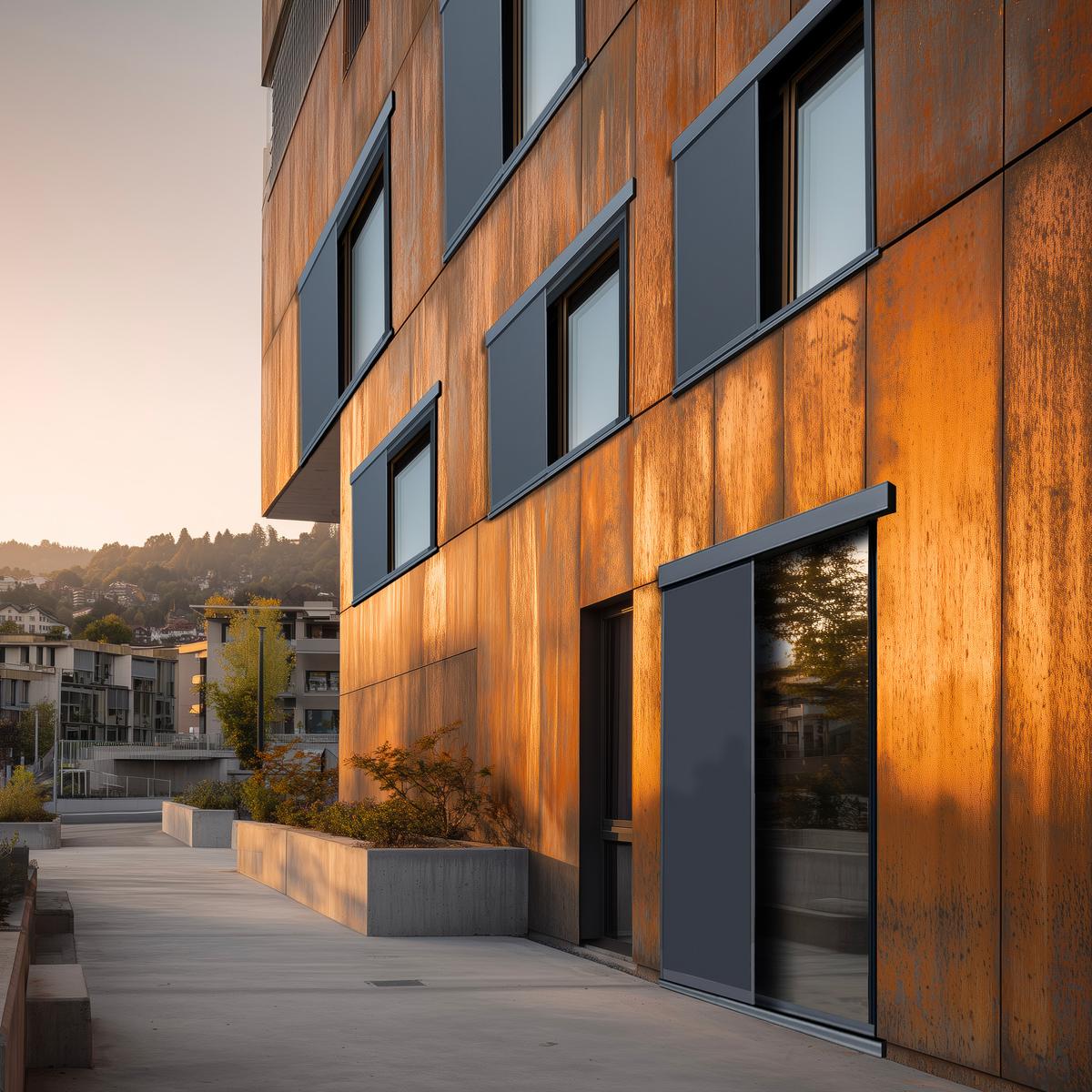
EHRET’s SolarSlide system exemplifies this trend. Each shutter combines two layers of 4 mm ESG safety glass with high‑efficiency monocrystalline cells, achieving 20‑22% conversion rates even when colored through screen printing. The modules, available in eight finishes, deliver roughly 500 W‑peak per leaf (up to 2.8 m high) while weighing 22.5 kg per square metre. The discreet glass‑glass construction blends seamlessly with surrounding architecture, allowing designers to treat solar generation as a material choice rather than a technical add‑on.
The real‑world impact is illustrated by the Widnau residential building in Switzerland. Adding 21 SolarSlide shutters to the south façade increased the site’s photovoltaic capacity by 24.5%, lifting annual output to 38,500 kWh and moving the project toward energy‑positive operation. The modular nature of the system, including the SolarSlide Pro variant that integrates with inverters and storage, makes it adaptable for both new builds and retrofits. As cities seek higher sustainability standards, such productive façades are poised to become a cornerstone of net‑zero strategies, offering architects a powerful tool to merge aesthetics, comfort, and renewable energy.
Can Shading Become Energy? From Passive Facades to Productive Envelopes
0
Comments
Want to join the conversation?
Loading comments...