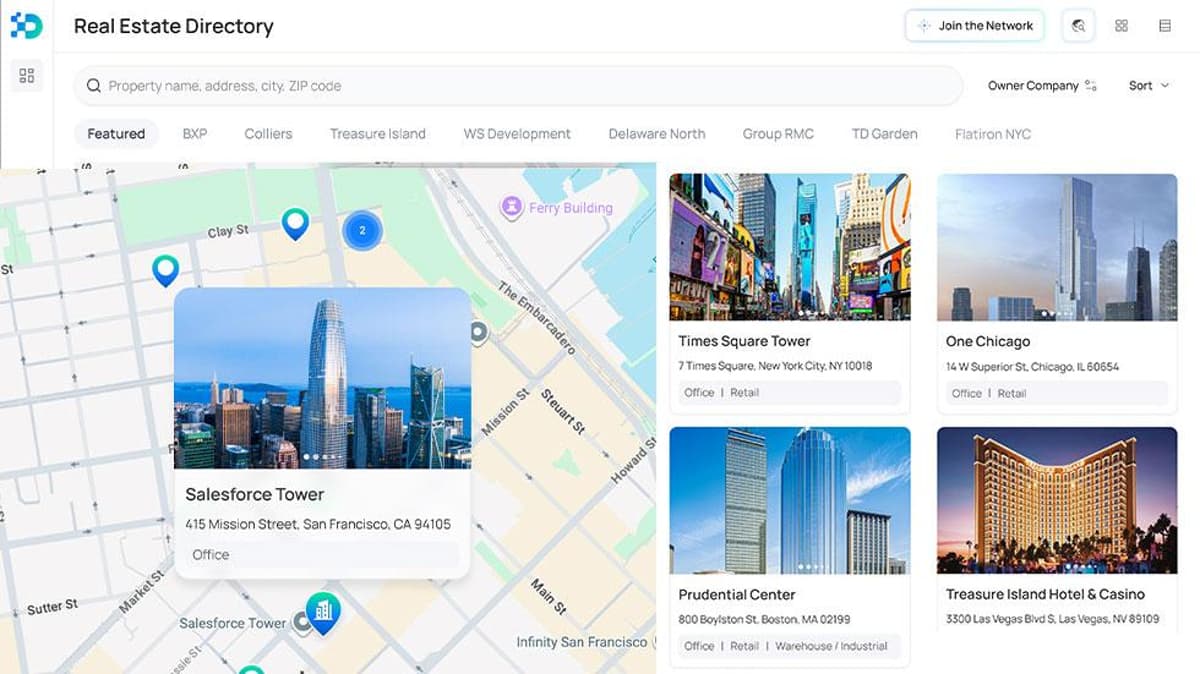
Digital Property Rights Emerging as Integral Part of Broader Asset Ownership
Companies Mentioned


Why It Matters
Digital property rights open a new revenue stream and shield owners from unlicensed virtual campaigns, reshaping lease negotiations and asset valuation across the real‑estate sector.
Key Takeaways
- •BXP transferred digital rights via blockchain in $132 M Boston office sale.
- •Over $400 B of real‑estate assets now registered on Digital Rights Network.
- •Digital rights enable new revenue streams and protect against unlicensed AR ads.
- •Lease agreements will need clauses covering virtual events and digital overlays.
- •Marketplace takes 5% cut of digital revenue generated from properties.
Pulse Analysis
The convergence of virtual reality, augmented reality and artificial intelligence is redefining how commercial spaces generate income. Buildings that once served solely as physical venues are now backdrops for immersive advertising, prompting owners to secure a digital layer of ownership. BXP’s recent $132 million transaction, which documented digital rights on a blockchain ledger, illustrates how major REITs are formalizing this nascent asset class. By leveraging the Digital Rights Network, owners can transparently transfer, monetize, and protect virtual usage, turning location‑based experiences into measurable cash flow.
Legal and financial frameworks are scrambling to catch up. Traditional leases rarely address virtual events, yet tenants increasingly seek to overlay digital content on storefronts or interior spaces. As a result, landlords are drafting new clauses that specify consent, revenue sharing, and liability for AR campaigns. This shift mirrors historic standardizations such as air rights and signage, suggesting that digital rights will soon be a routine line item in property contracts and appraisal models. The ability to assign a monetary value to these rights could influence cap rates and investment decisions, especially for landmark properties with high foot traffic.
Looking ahead, the Digital Rights Network aims to create a marketplace where creators, brands, and insurers can bid for digital real‑estate slots, with the platform taking a 5% commission on generated revenue. Blockchain ensures immutable records of ownership and transaction history, reducing disputes and streamlining payments. As smart‑glasses and spatial media adoption accelerates, the potential upside for property owners could be substantial, but challenges remain around regulation, standardization, and valuation methodology. Stakeholders who embed digital rights early will likely capture a competitive edge in the evolving landscape of immersive commerce.
Digital Property Rights Emerging as Integral Part of Broader Asset Ownership
Comments
Want to join the conversation?
Loading comments...