Labour MP Calls for More Tracking of Short Lets
Why It Matters
Accurate monitoring of short‑term rentals is essential to enforce housing caps, protect affordable homes, and maintain community quality. Without it, illegal lettings undermine local planning and exacerbate London’s housing shortage.
Key Takeaways
- •90‑day short‑let cap ineffective without enforcement data
- •MP Blake urges mandatory night‑count in registration scheme
- •Westminster has ~6,000 rentals breaching the cap
- •Local councils lack tools to monitor short‑term lets
- •Proposed law uses Ten Minute Rule to force debate
Pulse Analysis
The UK’s short‑term rental market has expanded rapidly, prompting London authorities to impose a 90‑night annual limit on whole‑home lets. While the rule exists on paper, councils repeatedly report an inability to verify how many nights a property is actually rented, leaving the cap largely symbolic. The government’s response—a mandatory national registration scheme that requires hosts to display a reference number—aims to bring transparency, yet it stops short of capturing usage frequency. Without a reliable night‑count, enforcement teams remain blind to violations.
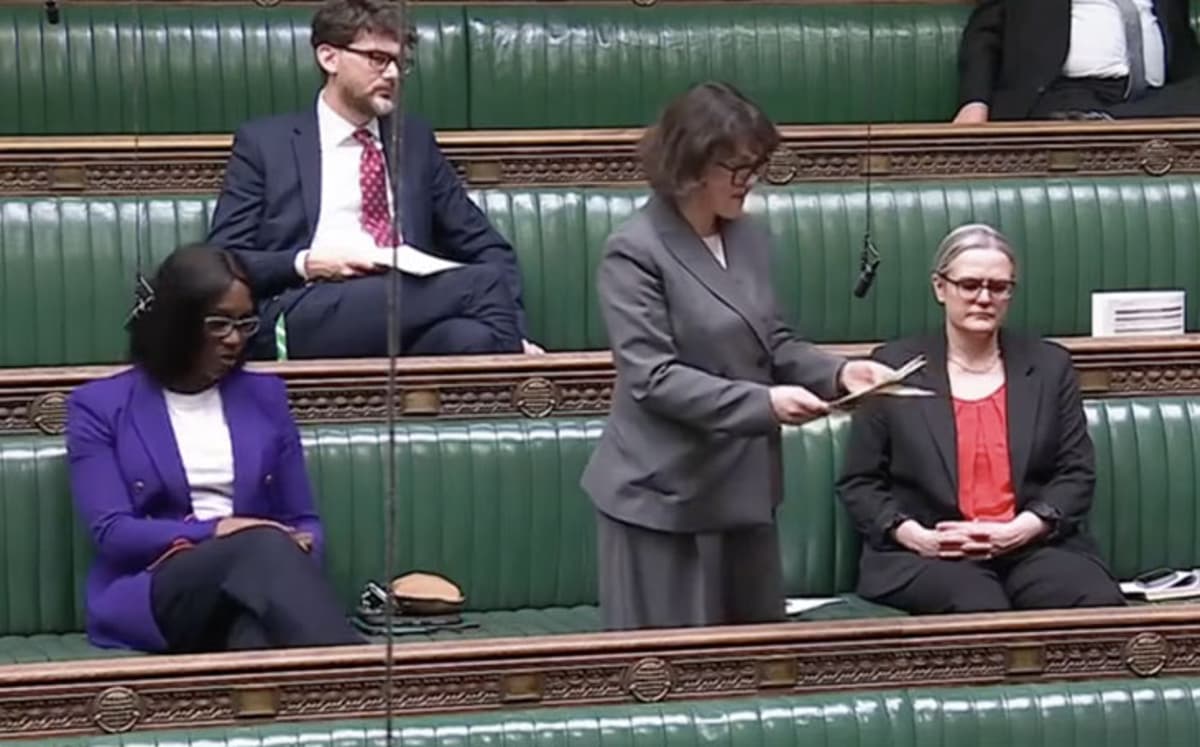
Labour MP Rachel Blake, representing the Cities of London and Westminster, leveraged the Ten Minute Rule to table a private member’s bill and force a Commons debate on the enforcement gap. Citing AirDNA analytics, she highlighted nearly 6,000 listings in Westminster and the City of London that exceed the legal limit, turning residential blocks into de‑facto hotels. Blake argues that the registration scheme must record the number of nights each property is let, providing the data local planning officers need to act against illegal short‑term rentals and protect community cohesion.
If Parliament adopts Blake’s proposal, the short‑let sector could face stricter compliance checks, potentially curbing the conversion of homes into profit‑driven accommodations. Accurate night‑count data would enable councils to issue fines, revoke licences, and preserve affordable housing stock, addressing rising rent pressures across the capital. Conversely, a failure to tighten reporting could embolden platforms and landlords to sidestep regulations, eroding neighbourhood stability. Stakeholders—from property owners to tourism platforms—must therefore prepare for a regulatory environment that balances economic benefits with the need for robust community safeguards.
Labour MP calls for more tracking of short lets


Comments
Want to join the conversation?
Loading comments...