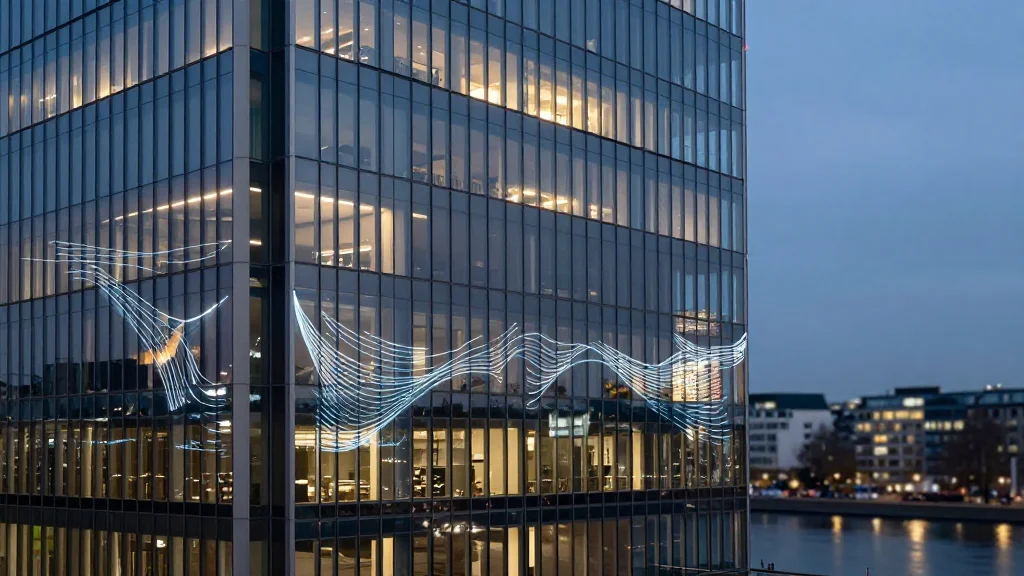
Light + Building 2026 Unveils Next‑Gen Smart‑Building Tech in Frankfurt

Why It Matters
Light + Building 2026 serves as a barometer for the PropTech sector’s shift toward integrated, data‑driven building environments. By foregrounding sustainable lighting, interoperable networking standards and human‑centred design, the fair accelerates the diffusion of technologies that can reduce operating costs, improve tenant wellbeing and meet increasingly stringent ESG regulations. For investors, the event highlights where capital is likely to flow—toward solutions that combine energy efficiency with digital control. The emphasis on awards and gender‑focused initiatives also signals a maturing industry culture that values creativity, inclusivity and measurable performance. As developers and owners seek to future‑proof portfolios, the innovations unveiled in Frankfurt will inform procurement strategies, retrofit roadmaps and the next generation of smart‑building platforms.
Key Takeaways
- •Light + Building 2026 runs March 8‑13 in Frankfurt, drawing global lighting and building‑tech firms.
- •The new "Living Light" exhibition features four zones—Home, Education, Workplace, Communication—designed by Carla Wilkins.
- •Three core themes guide the fair: Sustainable Transformation, Smart Connectivity and Living Light.
- •The IALD International Lighting Design Awards are presented alongside the fair for the first time.
- •Messe Frankfurt plans a 15% expansion of exhibition space for Light + Building 2027.
Pulse Analysis
The Frankfurt showcase underscores a pivotal moment for PropTech: the convergence of physical infrastructure and digital intelligence is no longer a niche ambition but a market imperative. Historically, lighting upgrades were isolated projects focused on energy savings; today, they are integral to holistic building‑automation ecosystems that feed data into AI‑driven facility‑management platforms. This shift is evident in the fair’s programming, which blends design aesthetics with sensor networks and cloud‑based analytics.
From a competitive standpoint, incumbents such as Siemens, Philips Hue and Schneider Electric are leveraging the event to reaffirm their standards‑leadership, while a wave of start‑ups is using the platform to secure partnerships and pilot contracts. The presence of award ceremonies and design‑focused sessions indicates that differentiation will increasingly hinge on user experience and sustainability narratives, not just technical specs. Companies that can package energy‑efficiency gains with demonstrable occupant‑wellbeing outcomes are likely to capture the next round of capital.
Looking ahead, the real test will be the translation of exhibition concepts into scalable deployments. If the projected 30% carbon‑footprint reduction from advanced lighting systems materialises across a critical mass of retrofits, we could see a cascade effect on building‑valuation models, where ESG‑compliant assets command premium rents. Conversely, if cost barriers persist, the market may fragment, with early adopters concentrating in high‑margin office cores while legacy properties lag behind. The next twelve months will therefore be a litmus test for whether the innovations highlighted at Light + Building 2026 become the backbone of a new, data‑rich PropTech era.
Light + Building 2026 Unveils Next‑Gen Smart‑Building Tech in Frankfurt
Comments
Want to join the conversation?
Loading comments...