Why It Matters
The project showcases a scalable solution for Japan’s growing stock of vacant homes, blending cultural preservation with sustainable, revenue‑generating subleases. It signals a shift toward value‑preserving renovations that can revitalize rural real‑estate markets while meeting modern living standards.
Key Takeaways
- •ROOVICE's Kariage framework renovates vacant homes for sublease
- •Renovation kept original kitchen, shoji screens, and TOTO fixtures
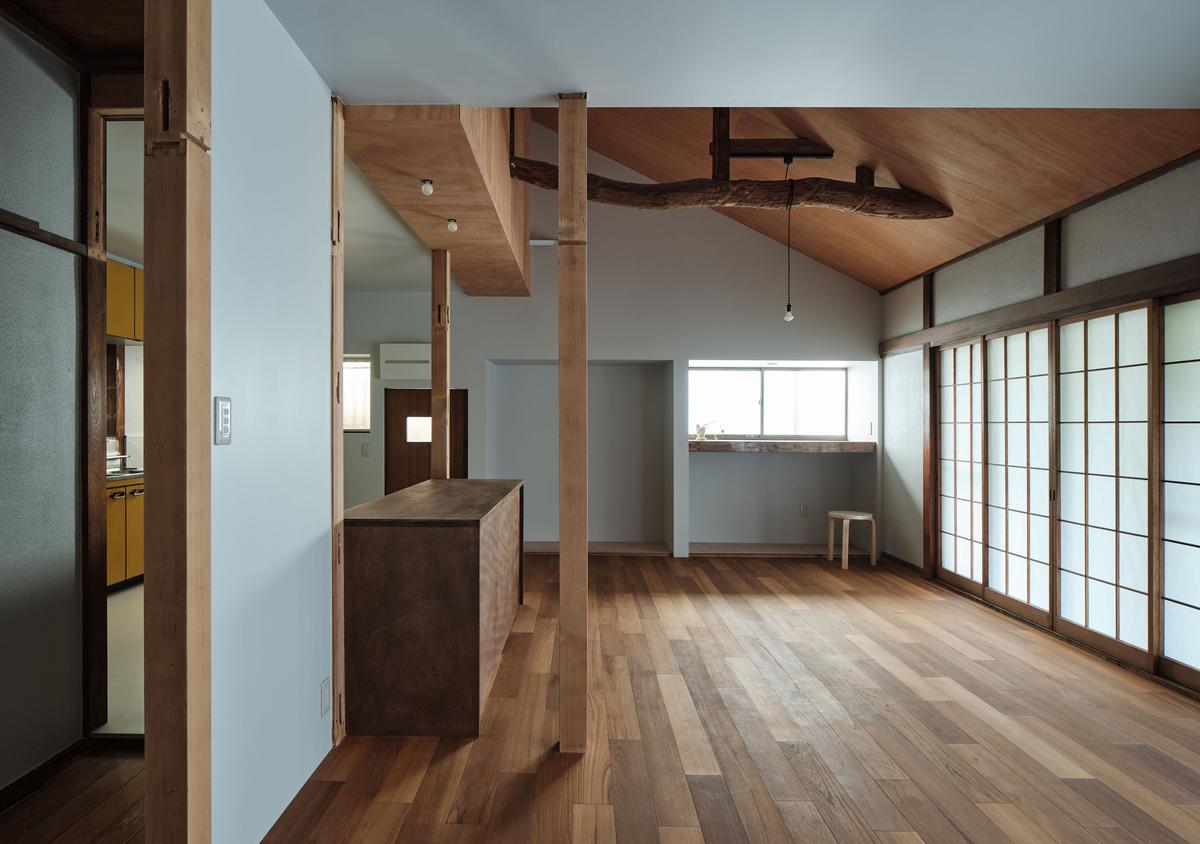
- •Exposed structural beams become design feature and support
- •Opened staircase and removed walls to increase natural light
- •New veranda and garden restore usable outdoor space
Pulse Analysis
Japan’s aging population and urban migration have left thousands of traditional homes empty, creating both a cultural loss and a financial burden for owners living abroad. ROOVICE’s Kariage framework addresses this gap by offering a turnkey renovation and sublease model, allowing distant heirs to preserve family heritage while generating income. By targeting properties with historical value, the firm taps into a niche market that values authenticity, positioning itself at the intersection of cultural stewardship and real‑estate innovation.
The Minamicho House renovation exemplifies a design philosophy that prioritizes minimal intervention. Rather than demolishing walls, the team removed only the elements that constrained flow, exposing original timber beams and integrating recycled timber to reinforce the structure visibly. Retaining the iconic yellow kitchen, shoji screens, and TOTO bathroom fixtures maintains the home’s narrative, while modern lighting strips and a re‑imagined veranda enhance functionality. This approach aligns with sustainable construction trends, reducing waste and extending the lifespan of existing materials.
From a business perspective, ROOVICE’s model offers a replicable template for monetizing Japan’s vacant‑home crisis. By converting heritage properties into sublease-ready residences, the company creates a new asset class that appeals to renters seeking authentic, well‑crafted living spaces. The added value of preserving cultural elements can command premium rents, while the low‑impact renovation keeps costs manageable. As more owners seek passive income solutions, frameworks like Kariage could reshape the secondary‑market dynamics, encouraging broader investment in heritage‑preserving real‑estate ventures.
Minamicho House / ROOVICE
Comments
Want to join the conversation?
Loading comments...