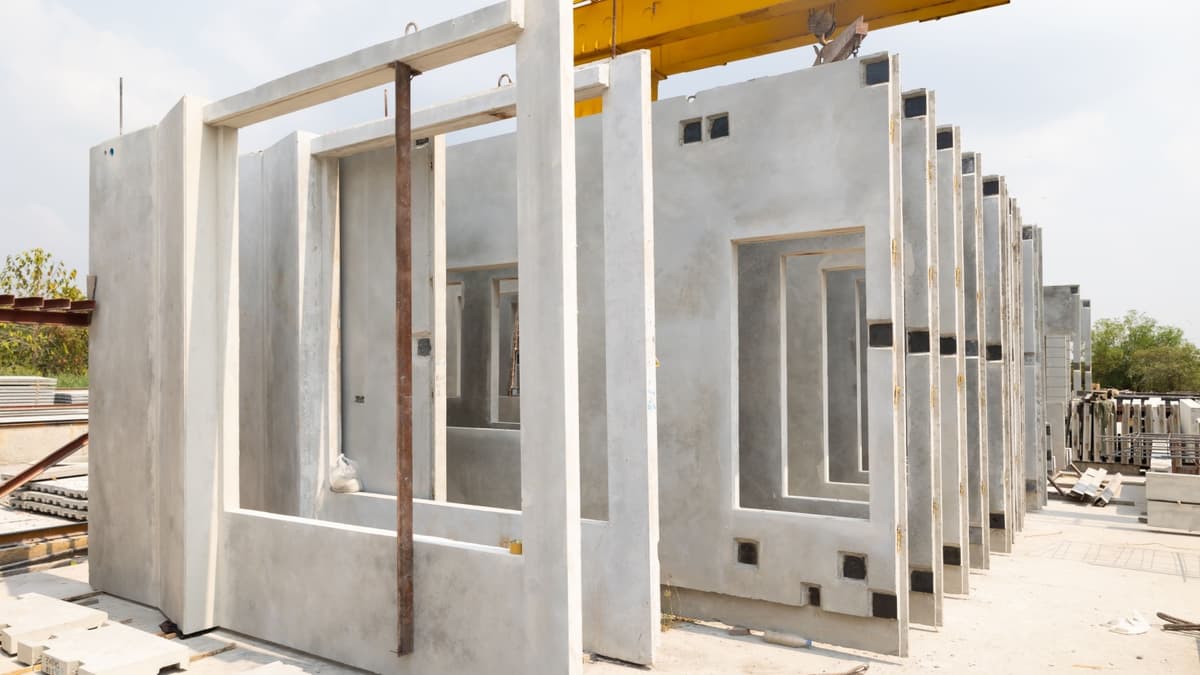
Modular Construction’s Big Boom: New Risks Outpacing Standard Contracts in Industrial Projects
•February 20, 2026
0
Why It Matters
Without contract adaptations, contractors and owners risk costly disputes and compliance failures that could erode modular construction’s cost and sustainability advantages.
Key Takeaways
- •Modular market exceeds $200B by 2030.
- •Industrial projects face higher‑value disputes than residential builds.
- •Standard AIA and ConsensusDocs need modular‑specific clauses.
- •Off‑site transport and IP pose emerging legal risks.
- •New ICC and AIA standards aim to close contract gaps.
Pulse Analysis
The modular construction surge is driven by labor shortages, sustainability mandates, and the promise of factory‑controlled quality. By shifting fabrication offsite, developers can cut material waste by up to 90 % and compress schedules, making the approach attractive for complex infrastructure such as airport terminals and large‑scale industrial plants. However, the shift also transfers risk to new domains—transport logistics, integration with stick‑built systems, and the protection of 3D‑printed designs—areas that traditional construction contracts rarely address.
Legal practitioners are responding with a wave of specialized provisions. The AIA’s 2025 Volumetric Modular Construction documents and ConsensusDocs’ 753/253 forms introduce clauses for off‑site inspection responsibilities, warranty extensions, and jurisdictional compliance, yet gaps remain. Off‑site transportation of massive modules, like the 2,800‑ton furnace case, demands explicit liability language, while intellectual‑property ownership of proprietary modular components requires clear assignment. Emerging ICC and International Code Council standards aim to codify inspection and performance criteria, offering a framework that can be woven into project agreements to mitigate disputes before they arise.
For contractors and owners, proactive contract tailoring is now a competitive imperative. Incorporating detailed transport insurance, multi‑state regulatory checklists, and IP ownership clauses can protect margins and keep projects on schedule. Industry events such as the 2026 World of Modular and Advancing Prefabrication conferences will spotlight AI‑driven design verification and global standard harmonization, further shaping contractual expectations. Firms that embed these evolving best practices early will capture modular’s efficiency gains while shielding themselves from the heightened legal exposure that accompanies industrial‑scale adoption.
Modular Construction’s Big Boom: New Risks Outpacing Standard Contracts in Industrial Projects
0
Comments
Want to join the conversation?
Loading comments...