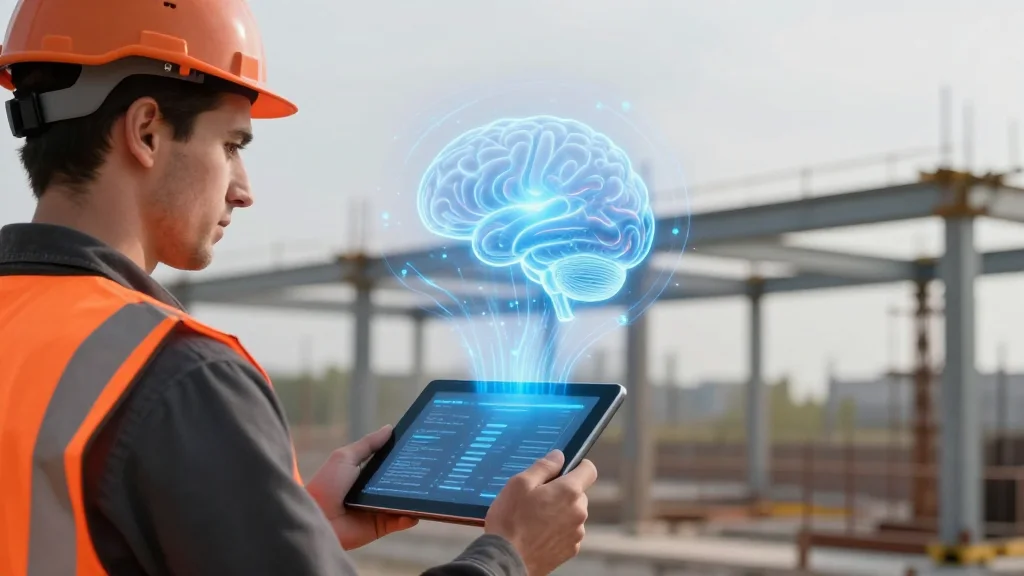
NABTU, Microsoft Partner on AI Training for Construction Trades
Why It Matters
Upskilling the construction workforce with AI accelerates productivity, safety compliance and prepares the industry for broader digital transformation. The partnership signals a shift toward technology‑enabled trade education, reducing administrative overhead and enhancing on‑site decision making.
Key Takeaways
- •Program targets tens of thousands of construction apprentices nationwide
- •Instructors use AI to automate lesson plans and quizzes
- •AI tools streamline OSHA code reviews for faster safety updates
- •Curriculum shaped by contractors ensures real‑world jobsite relevance
- •Focus on data security builds trust in digital construction tools
Pulse Analysis
The construction sector has long lagged behind office‑based industries in adopting artificial intelligence, but the NABTU‑Microsoft partnership marks a turning point. By embedding AI literacy into apprenticeship curricula, the initiative tackles a critical skills gap and equips a traditionally hands‑on workforce with the digital fluency needed to interpret complex regulations, optimize workflows, and collaborate with emerging software platforms. Microsoft’s cloud and AI services provide a scalable backbone, while the union’s extensive training network ensures rapid, nationwide rollout.
For instructors, AI becomes a productivity catalyst. Automated generation of lesson plans, quizzes and instructional content frees educators to focus on mentorship and on‑site coaching, directly addressing the shortage of qualified trade teachers. Apprentices benefit from real‑time access to AI‑driven safety tools that can parse lengthy OSHA documents, flag code changes, and suggest compliance actions, dramatically cutting the time spent on manual reviews. Early focus groups show younger workers already experimenting with generative AI to solve on‑the‑fly challenges, from interpreting electrical schematics to estimating material quantities.
Beyond immediate efficiency gains, the program signals broader industry implications. As AI tools prove their value in knowledge‑access and decision‑support roles, construction firms may increasingly integrate predictive analytics for project scheduling, risk management and resource allocation. However, the hands‑on nature of trade work means automation will augment rather than replace craftsmen, preserving job security while enhancing safety. By establishing a standardized AI curriculum, NABTU and Microsoft are setting a benchmark that could influence policy, insurance underwriting and future labor‑training standards across North America’s built environment.
NABTU, Microsoft partner on AI training for construction trades
Comments
Want to join the conversation?
Loading comments...