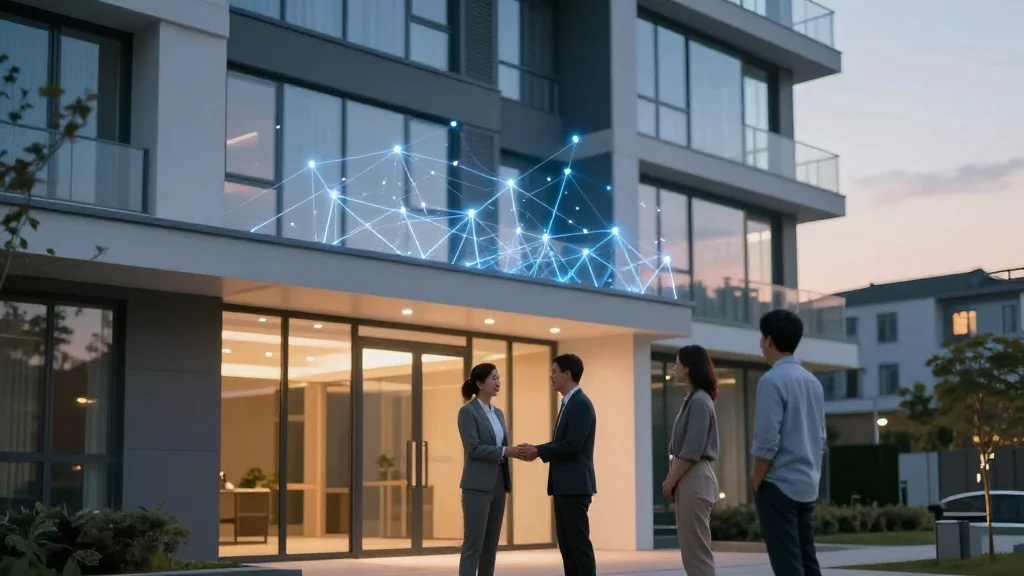
OneWall CEO Says Human Touch Remains Essential as AI Gains Ground in Property Management

Why It Matters
Kutas' comments highlight a pivotal debate in PropTech: whether AI will automate away jobs or simply amplify human capabilities. By showing that a fast‑growing operator can scale without layoffs, OneWall provides a template for balancing technology investment with workforce stability. The stance also signals to investors that AI adoption does not automatically translate into cost‑cutting, but can drive higher resident satisfaction and operational resilience. If the industry follows OneWall’s hybrid approach, AI could become a catalyst for higher service quality rather than a driver of headcount reductions. This could reshape talent pipelines, prompting property‑management firms to prioritize AI literacy alongside traditional hospitality skills, and could influence how venture capital allocates funds across pure‑tech versus people‑centric PropTech startups.
Key Takeaways
- •OneWall added 16 properties since October while keeping staff levels steady.
- •CEO Ron Kutas says AI provides full visibility into portfolio data for proactive management.
- •The resident app and onboarding platform automate administrative tasks, freeing staff for community building.
- •Kutas hired a dedicated head of learning and development to accelerate new‑employee effectiveness.
- •He warns that workers proficient in AI will replace those who are not, underscoring a skills shift in the sector.
Pulse Analysis
OneWall’s narrative underscores a maturing phase of PropTech where AI is no longer a novelty but a core operating system. Early adopters that treated AI as a cost‑saving hack often faced backlash from staff and residents alike. By positioning AI as a data‑aggregation layer that empowers human decision‑makers, OneWall sidesteps the fear of automation and instead creates a competitive moat based on service quality.
Historically, technology disruptions in real estate—such as online listings and digital lease signing—have been met with skepticism before becoming industry standards. The current wave of AI mirrors that trajectory, but the stakes are higher because the technology can influence day‑to‑day resident experiences. Companies that embed AI in back‑office functions while preserving front‑line human contact are likely to see higher retention rates and stronger brand loyalty, which in turn drives valuation premiums for investors.
Looking forward, the pressure will mount on firms that lag in AI fluency. As Kutas predicts, a talent gap will emerge, rewarding firms that upskill their workforce. This could spur a new wave of PropTech funding focused on AI training platforms and hybrid solutions that blend analytics with CRM capabilities. OneWall’s roadmap—adding predictive maintenance and automated lease renewals—suggests a roadmap that other operators will feel compelled to emulate, accelerating the sector’s overall digital transformation.
OneWall CEO Says Human Touch Remains Essential as AI Gains Ground in Property Management
Comments
Want to join the conversation?
Loading comments...