Parkonomics: Retrofitting for the Future
•February 10, 2026
0
Why It Matters
Future‑proof parking converts a depreciating asset into a revenue‑generating, city‑wide mobility platform, essential for EV adoption, TNC growth, and smart‑city efficiency.
Key Takeaways
- •Audit infrastructure before EV charging upgrades.
- •Cloud SaaS enables remote software updates.
- •Data analytics drive dynamic pricing and space utilization.
- •Open APIs integrate garages into MaaS platforms.
- •Flexible design allows temporary logistics or community uses.
Pulse Analysis
The first hurdle in modernizing legacy garages is understanding their current capabilities. Operators must conduct detailed assessments of power capacity, conduit space, and structural clearances to determine how much EV charging, high‑speed data, or license‑plate‑recognition hardware can be added. By prioritizing foundational upgrades—such as reinforced electrical service and fiber‑optic backbones—owners create a scalable platform that supports incremental technology rollouts without costly full‑scale rebuilds.
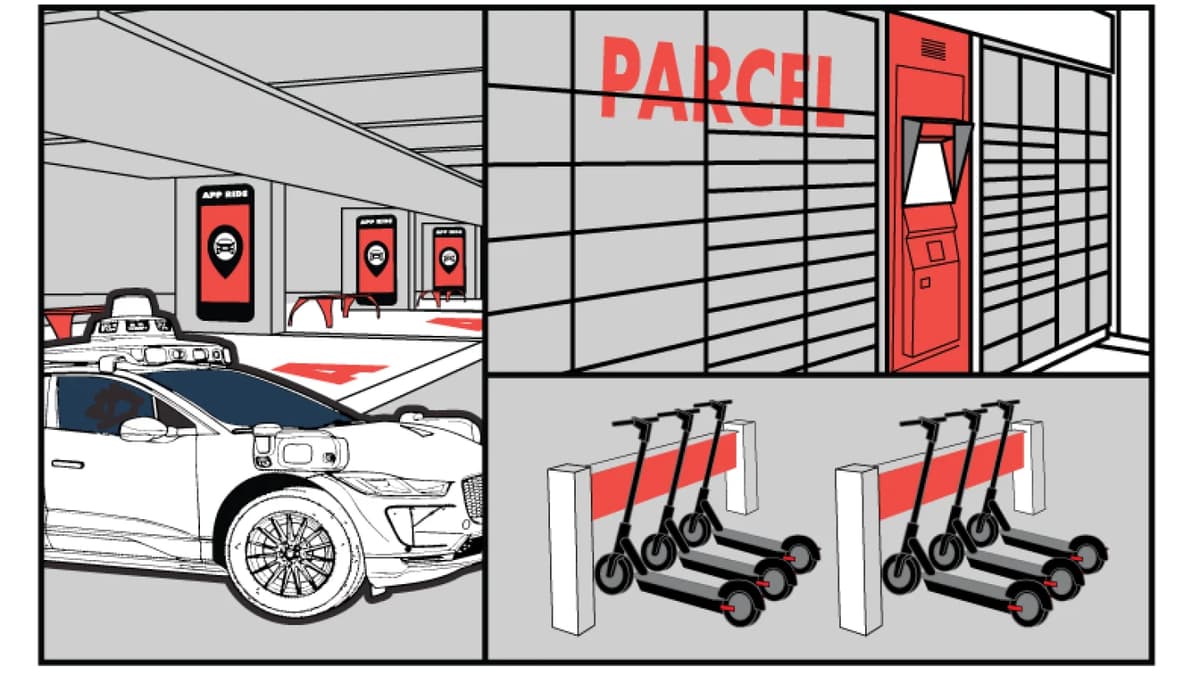
Beyond hardware, the operational paradigm is shifting toward cloud‑native SaaS solutions that deliver continuous software improvements and seamless integration with third‑party services. Real‑time transaction data feeds business‑intelligence tools, allowing operators to apply dynamic pricing, predict demand spikes, and optimize space utilization. Coupled with robust staff training, these digital capabilities ensure that both human and machine interfaces remain responsive to the rapid rise of electric vehicles, ride‑hailing fleets, and autonomous delivery bots.
Finally, future‑proof parking must be viewed as a civic asset rather than an isolated structure. By sharing granular occupancy data through open APIs, garages become integral components of Mobility‑as‑a‑Service platforms, informing city‑wide traffic management and curb‑pricing strategies. Flexible design further enables adaptive reprogramming—transforming underused levels into last‑mile logistics hubs, community event spaces, or recreational venues. This multi‑use approach not only diversifies revenue streams but also strengthens the garage’s role in the smart‑city ecosystem, turning static parking decks into dynamic urban infrastructure.
Parkonomics: Retrofitting for the Future
0
Comments
Want to join the conversation?
Loading comments...