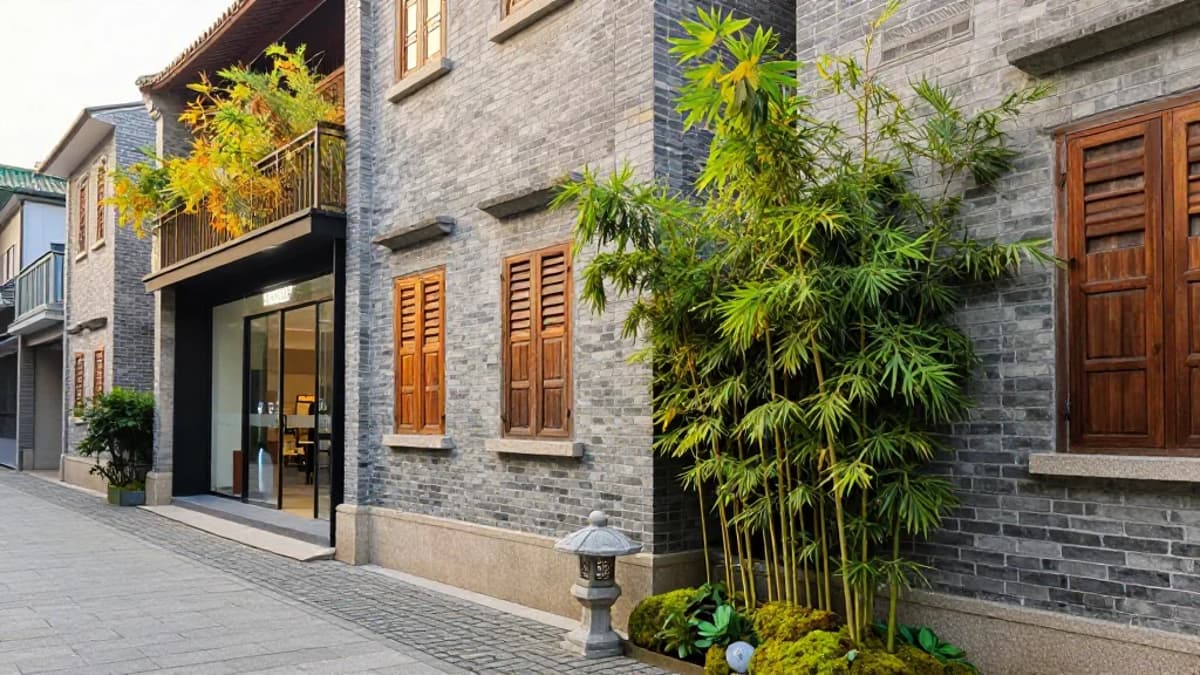
Project Profiles: Regenerating China’s Urban Villages
•February 18, 2026
0
Why It Matters
It proves that heritage‑led, community‑centric redevelopment can deliver economic returns and social benefits, guiding policymakers and developers across China.
Key Takeaways
- •Incremental approach renovated 25% of village, preserving heritage
- •Joint‑venture aligns government, villagers, private investors via transparent metrics
- •Mixed‑use upgrades increased property values, rentals, and jobs
- •Green pocket gardens and bamboo roofs improve sustainability
- •Model attracts nationwide interest for adaptive reuse of urban villages
Pulse Analysis
China’s rapid urbanization produced dense, informal settlements known as urban villages, which often suffer from safety, hygiene and social cohesion challenges. Traditional demolition‑and‑rebuild strategies erase cultural layers and displace residents, prompting a search for alternatives that balance growth with heritage. The Nantou Ancient City case illustrates how a targeted, incremental retrofit can preserve historic street patterns while upgrading infrastructure, offering a template for cities grappling with similar legacy districts.
The project’s joint‑venture structure—combining municipal authority, the village committee and a private developer—enabled shared risk and transparent benefit‑sharing metrics. By focusing on 25 percent of the built stock, the team retained the Ming‑dynasty street network and the “architectural stratigraphy” spanning Qing, Republican and socialist eras. Over 20 architects coordinated to deliver a cohesive yet varied streetscape, integrating pocket gardens, bamboo roof gardens and enhanced daylight corridors that boost thermal performance and livability. This blend of cultural stewardship and mixed‑use programming generated higher rental yields, job creation and increased tax revenue.
Nantou’s success has sparked nationwide interest, positioning heritage‑led regeneration as a viable economic engine. Policymakers now cite the model when drafting adaptive‑reuse guidelines, and developers are exploring similar joint‑venture frameworks to accelerate approvals and community buy‑in. As Chinese cities continue to densify, the balance struck at Nantou—preserving time‑woven urban fabric while delivering modern amenities—offers a scalable pathway for sustainable urban renewal across the region.
Project Profiles: Regenerating China’s Urban Villages
0
Comments
Want to join the conversation?
Loading comments...