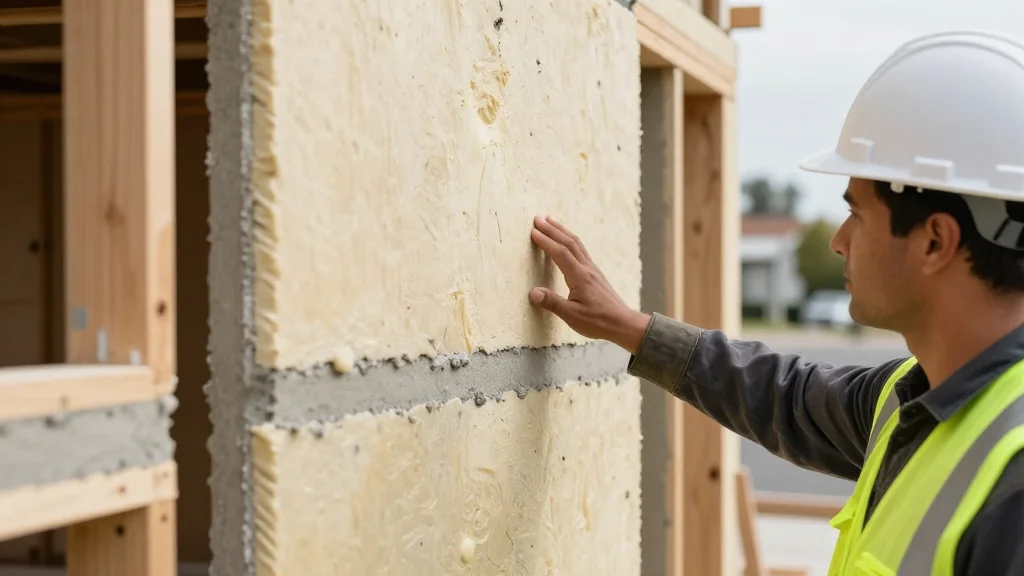
San Jose Breaks Ground on First Type 1A Fire‑Resistant ADU

Why It Matters
The San Jose ADU demonstrates that the highest fire‑resistance standards can be integrated into affordable, small‑scale housing without inflating costs. For PropTech investors and developers, the project offers a proof point that advanced construction methods—once confined to commercial or high‑end residential projects—are now viable for mass‑market units. As climate change intensifies wildfire risk, municipalities are under pressure to tighten building codes; a cost‑neutral, fire‑safe solution could become a competitive differentiator for firms that adopt ICF or similar technologies. Beyond safety, the project’s energy‑efficiency and seismic benefits align with broader sustainability goals. If replicated, Type 1A ADUs could reduce utility consumption, lower insurance premiums and improve occupant health, creating a virtuous cycle that supports both housing affordability and climate resilience. The initiative also signals a shift in the PropTech ecosystem toward standards‑driven innovation, where regulatory compliance becomes a marketable feature rather than a hurdle.
Key Takeaways
- •Builtech Construction broke ground on an 850‑sq ft ADU built to Type 1A fire‑resistance standards
- •Project cost is approximately $350,000, comparable to conventional ADU builds
- •ICF construction provides fire resistance, seismic strength, soundproofing and energy efficiency
- •San Jose aims to use the pilot as a template for future ADU zoning incentives
- •Success could accelerate statewide adoption of fire‑resistant building methods in affordable housing
Pulse Analysis
The San Jose Type 1A ADU is more than a local construction milestone; it is a litmus test for how fire safety can be woven into the fabric of affordable housing. Historically, fire‑resistant construction has been a premium offering, limited to high‑value commercial projects or luxury homes. By achieving cost parity with standard wood‑frame ADUs, Builtech challenges that paradigm and forces the market to reconsider the economics of resilience.
From a PropTech perspective, the project underscores the growing convergence of building technology, regulatory pressure and investor appetite for risk‑mitigating assets. Lenders are increasingly scrutinizing climate‑related exposure, and a fire‑rated ADU could command lower interest rates or more favorable loan terms. Moreover, the data generated from performance monitoring will feed into digital twins and predictive maintenance platforms, enabling owners to quantify savings on insurance, energy and repair costs over the unit’s lifecycle.
Looking ahead, the real test will be scalability. If San Jose’s pilot demonstrates reliable performance and maintains budget discipline, municipalities across California—and eventually the broader West Coast—may embed Type 1A criteria into their ADU ordinances. That would create a cascade effect: manufacturers of ICF panels, fire‑rated windows and metal roofing would see demand surge, while software firms that manage compliance documentation could capture new market share. In short, the project could catalyze a virtuous ecosystem where safety, sustainability and profitability reinforce each other, reshaping the PropTech landscape for years to come.
San Jose Breaks Ground on First Type 1A Fire‑Resistant ADU
Comments
Want to join the conversation?
Loading comments...