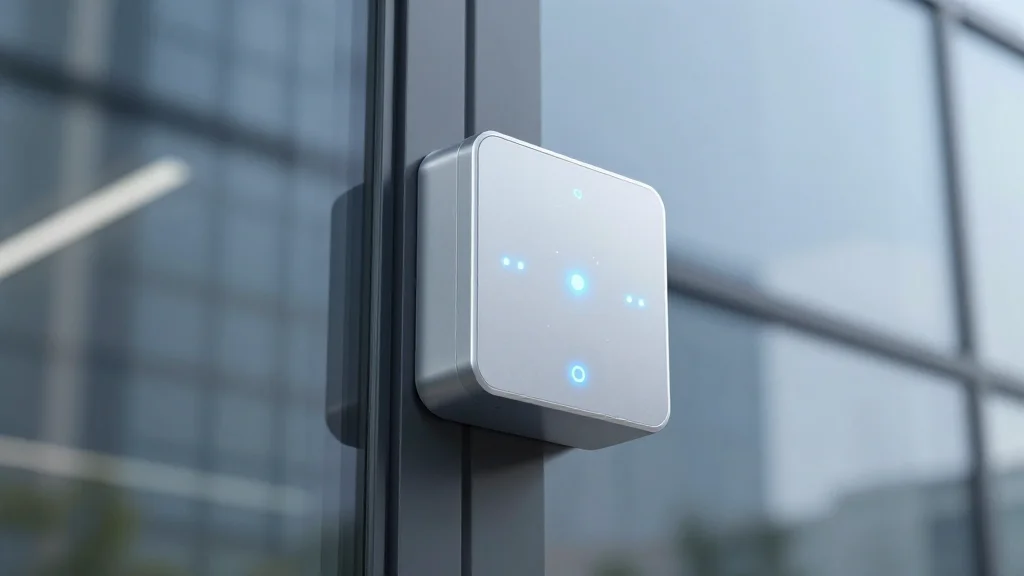
Siemens Unveils AI‑Driven Asset Performance Advanced for Autonomous Building Management

Companies Mentioned
Why It Matters
Asset Performance Advanced represents a strategic entry of a heavyweight industrial player into the PropTech arena, where AI and automation are still emerging. By offering a managed service that combines predictive diagnostics with prescriptive actions, Siemens could set a new benchmark for operational efficiency, especially in sectors where downtime carries high stakes. The solution also underscores a broader industry shift toward holistic, data‑centric building management that aligns with ESG goals and cost‑containment pressures. If the platform delivers on its promise, it could accelerate the adoption of autonomous building operations, prompting property owners to reconsider legacy maintenance contracts and invest in AI‑enabled services. This could reshape vendor dynamics, push smaller PropTech firms toward partnership models, and drive further consolidation as larger players seek to bundle hardware, software and services under a single roof.
Key Takeaways
- •Siemens Smart Infrastructure launched Asset Performance Advanced, an AI‑driven managed building service.
- •The platform integrates predictive failure classification, fault detection and prescriptive AI.
- •Targets healthcare, higher education and commercial real‑estate sectors where uptime is critical.
- •Operates within the Building X ecosystem, enabling digital workflow automation via the Customer Interaction Portal.
- •Aims to shift building management from reactive maintenance to autonomous, data‑driven operations.
Pulse Analysis
Siemens' entry into PropTech reflects a maturation of AI adoption beyond pure software startups. Historically, building‑management solutions have been fragmented, with vendors offering siloed BMS, energy‑analytics or maintenance platforms. Siemens' approach—bundling predictive analytics, prescriptive recommendations and automated workflow execution—creates a vertically integrated offering that can appeal to large owners seeking a single point of accountability. This mirrors trends in other infrastructure domains where incumbents leverage scale and engineering expertise to outpace niche players.
The competitive landscape will likely respond with accelerated development of AI capabilities, especially around fault detection and automated remediation. Companies such as Johnson Controls, Honeywell and emerging PropTech firms will need to demonstrate comparable predictive accuracy or differentiate through open‑platform integrations. Moreover, the success of Asset Performance Advanced will hinge on data quality and the ability to retrofit legacy equipment, a common barrier in older facilities. Siemens' existing relationships with industrial clients may give it an edge in securing pilot projects, but broader market adoption will depend on clear ROI metrics that owners can quantify.
Looking ahead, the rollout could catalyze a wave of managed‑service contracts in real‑estate portfolios, shifting capital expenditures toward subscription‑based models. This aligns with the broader shift toward outcome‑based pricing in the built environment, where operators pay for performance rather than hardware. As sustainability mandates tighten, AI‑enabled platforms that can demonstrably cut energy use while maintaining comfort will become essential tools for compliance. Siemens' move thus not only expands its product portfolio but also sets a new competitive baseline for autonomous building management in the PropTech sector.
Siemens Unveils AI‑Driven Asset Performance Advanced for Autonomous Building Management
Comments
Want to join the conversation?
Loading comments...