Unlocking the Potential of Control Points in Building Automation Systems (BAS): A Blend of Technology and Expertise
Key Takeaways
- •Analog inputs provide real‑time sensor data for precise HVAC control.
- •Binary outputs trigger equipment actions, such as fans and valves.
- •Accurate alarm interpretation prevents costly equipment failures.
- •AI-driven analytics can forecast demand and reduce false alarms.
- •Human‑in‑the‑loop expertise ensures optimal BAS performance.
Pulse Analysis
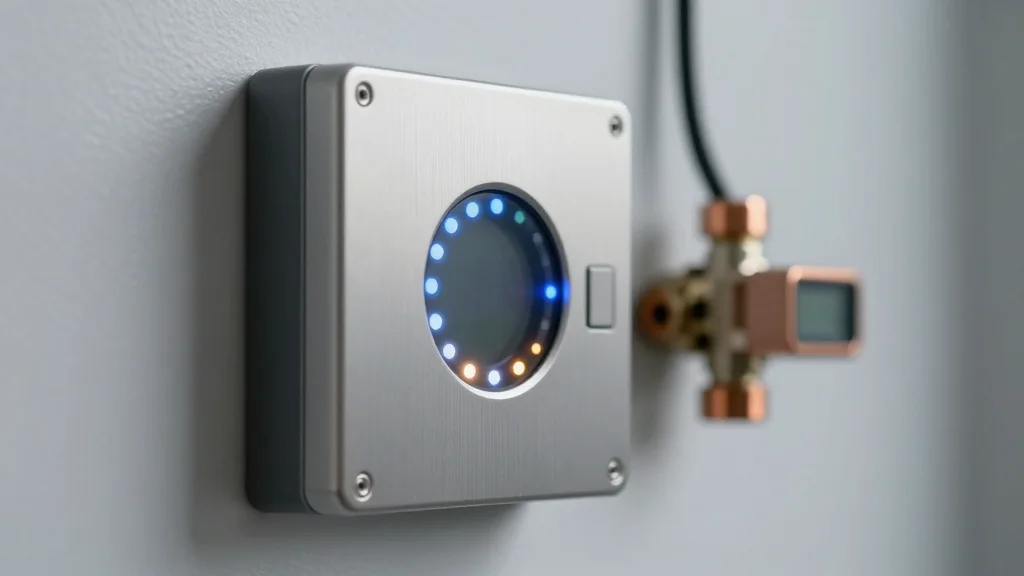
Building automation systems (BAS) have become a cornerstone of modern facility management, with the global market projected to exceed $80 billion by 2028. At the heart of every BAS deployment are control points—discrete data nodes that translate physical conditions into actionable digital signals. Whether measuring temperature, pressure, or occupancy, these points feed real‑time analytics that drive HVAC, lighting, and security decisions. As buildings grow more complex, the density and granularity of control points increase, demanding robust networking and cybersecurity measures to protect critical infrastructure.
The true value of control points emerges when technology meets human insight. Facility engineers rely on calibrated analog inputs and binary outputs to fine‑tune system performance, but they also interpret alarm hierarchies and trend data to avert failures before they materialize. For example, a subtle drift in pump pressure can signal impending wear, prompting preventive maintenance that saves thousands in repair costs. Redundancy strategies—such as backup chillers and emergency ventilation—depend on precise coordination of multiple control points, ensuring uninterrupted operation in hospitals, data centers, and other mission‑critical environments.
Looking ahead, artificial intelligence and predictive analytics are set to amplify the impact of control points. Machine‑learning models ingest streams from thousands of sensors, correlating weather forecasts, occupancy patterns, and equipment health to optimize energy use autonomously. This shift reduces false alarms, shortens response times, and unlocks new levels of sustainability, often delivering 10‑15% energy savings. However, AI cannot replace the nuanced judgment of seasoned technicians; instead, it augments their decision‑making toolkit. Organizations that invest in continuous training, standardized point naming, and integrated dashboards will extract the highest ROI from their BAS investments, positioning themselves at the forefront of smart‑building innovation.
Unlocking the Potential of Control Points in Building Automation Systems (BAS): A Blend of Technology and Expertise
Comments
Want to join the conversation?