Welsh Data Center Proposal Rejected by Local Council
Why It Matters
The denial stalls a potential high‑performance AI hub in a designated growth zone, signaling regulatory and community hurdles that could slow UK data‑center expansion.
Key Takeaways
- •Carbon3.ai's AI data center plan rejected by Anglesey council
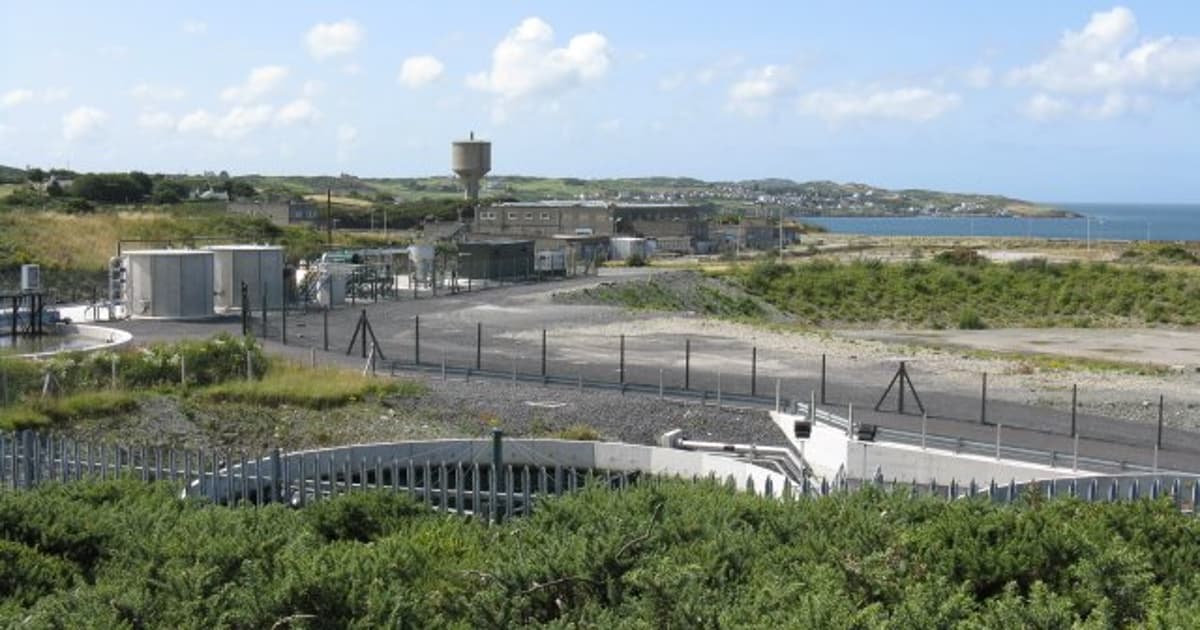
- •Site is former Octel bromine plant, vacant since 2004
- •Wales AI Growth Zone offers power priority, favorable rates
- •UK data‑center approvals average 490 days; nine of 33 denied
- •Community engagement cited as key obstacle in recent rejections
Pulse Analysis
The United Kingdom has positioned Wales as an AI Growth Zone, a strategic designation intended to attract high‑density computing facilities by guaranteeing preferential access to renewable power and reduced business rates. Proponents argue that AI‑focused data centers can catalyze regional economic development, create skilled jobs, and support the nation’s ambition to become a leader in artificial intelligence. Carbon3.ai’s proposal to convert the long‑idle Octel bromine plant in Amlwch into a purpose‑built AI hub appeared to align with these policy goals, promising to reuse existing infrastructure while delivering gigawatts of compute capacity.
Despite the policy incentives, local authorities retain decisive control over land‑use decisions, and community sentiment has emerged as a decisive factor. Anglesey County Council’s rejection underscores concerns ranging from visual impact and traffic to the environmental footprint of large‑scale cooling systems. A recent Hoare Lea study found that the average planning horizon for UK data centers stretches to 490 days, with nine out of 33 applications denied, reflecting a broader pattern of resistance seen in Edinburgh and elsewhere. Inadequate stakeholder outreach often fuels these outcomes.
The setback in North Wales signals that developers must integrate robust community‑engagement strategies early in the project lifecycle if they hope to capitalize on growth‑zone benefits. Investors may need to reassess site selection, favoring locations with clearer planning pathways or stronger local support. Meanwhile, the UK government’s push for AI infrastructure remains unchanged, suggesting that alternative sites will continue to attract interest. For the industry, the lesson is clear: technical and fiscal incentives alone are insufficient without a social licence to operate.
Welsh data center proposal rejected by local council
Comments
Want to join the conversation?
Loading comments...