Why Mobile Access Control Standards Matter for Building Operations
Companies Mentioned
Why It Matters
Interoperable mobile access eliminates costly hardware silos and accelerates upgrades, giving facilities managers a scalable tool to meet tenant expectations and improve operational efficiency. Broad adoption will turn a single credential into a universal key, reshaping the building‑security market.
Key Takeaways
- •Aliro enables single mobile credential on any certified reader
- •Kastle first to launch Aliro across Apple, Google, Samsung wallets
- •Reduces vendor lock‑in, cutting upgrade and integration costs
- •Facilitates multi‑tenant, mixed‑use building management
- •Adoption speed determines credential value and market impact
Pulse Analysis
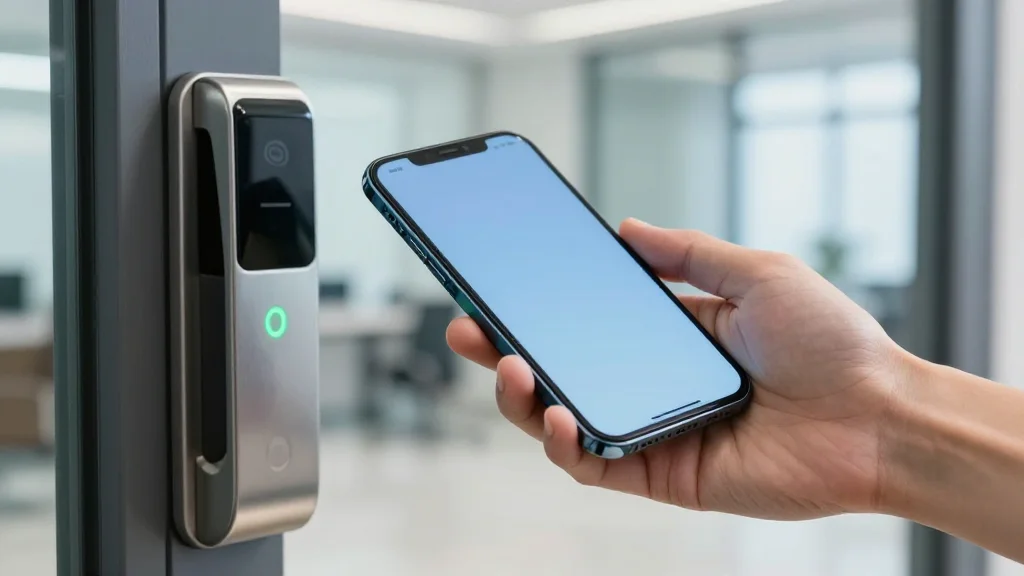
For decades, building security has been dominated by proprietary ecosystems that lock owners into a single vendor’s hardware and software. When a tenant switches phone platforms or a property adds a new wing, managers face expensive retrofits or work‑arounds. The Aliro protocol, introduced by the Connectivity Standards Alliance, standardizes the communication between mobile wallets and access readers, allowing a single credential to function across devices from Apple, Google and Samsung. This open approach mirrors the evolution of contactless payments, where a common standard unlocked widespread consumer adoption and reduced friction for merchants.
The operational upside for facilities managers is immediate. With Aliro, credential provisioning no longer requires juggling multiple file formats or waiting for firmware updates from a single supplier. Mixed‑use developments—combining office, retail, parking and amenity spaces—can now issue one mobile key that works everywhere, simplifying tenant onboarding and reducing IT overhead. Kastle’s early deployment demonstrates how managed service providers can leverage the standard to offer multi‑tenant, multi‑system solutions without the traditional hardware constraints, translating into lower capital expenditures and faster rollout times.
Adoption, however, will dictate the true market impact. Like Apple Pay, the technology is ready, but widespread hardware upgrades are needed for the credential to become ubiquitous. Stakeholders—manufacturers, integrators, and building owners—must prioritize Aliro‑certified readers in new projects and retrofits. As demand for seamless, platform‑agnostic mobile access grows, the standard could become a baseline requirement, driving a shift toward open, interoperable security ecosystems across the commercial real‑estate sector.
Why mobile access control standards matter for building operations
Comments
Want to join the conversation?
Loading comments...