
Recent Posts

News•Feb 20, 2026
Iran Tells UN Chief It Will Respond 'Decisively' If Subjected to Military Aggression
Iran warned the United Nations that any military aggression against it would be met with decisive force, stating that bases, facilities and assets of the perceived hostile force would be considered legitimate targets. The warning was delivered in a letter to UN Secretary‑General Antonio Guterres and references President Donald Trump’s recent rhetoric as heightening the risk of conflict. While Tehran claims it does not want a war, it emphasizes readiness to respond forcefully if attacked. The statement underscores escalating tensions between Tehran and Washington.
By Al-Monitor – All
News•Feb 17, 2026
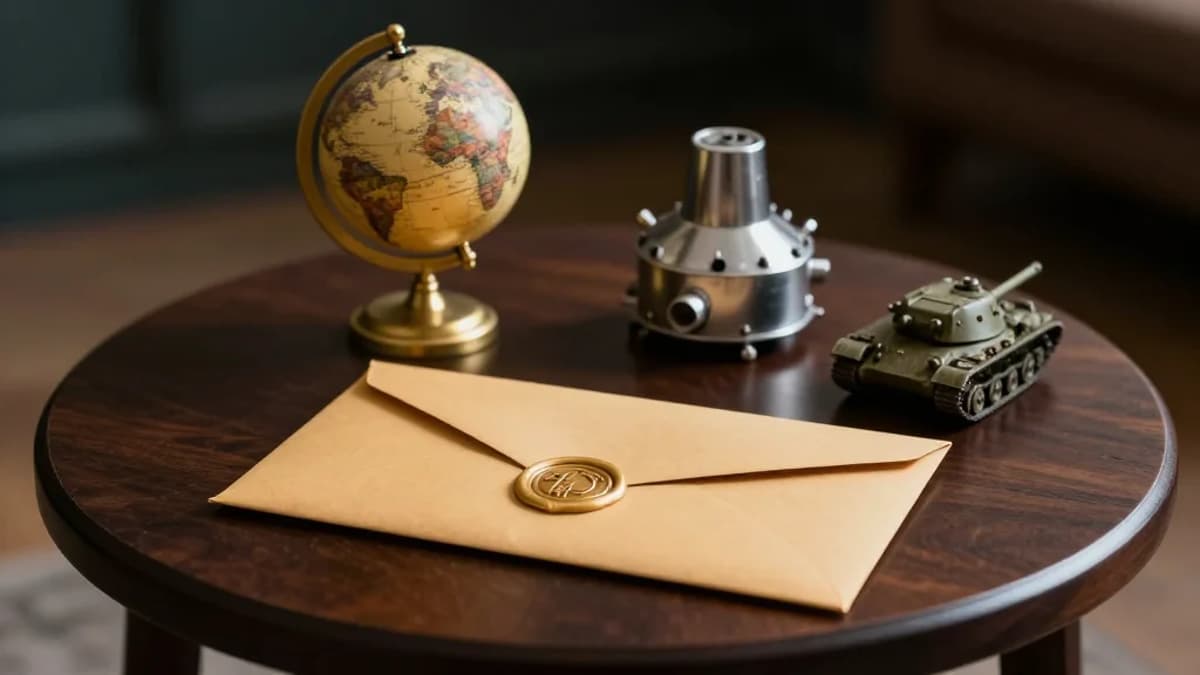
Analysis-US Envoys Juggle Two Crisis Talks, Raising Questions About Prospects for Success
U.S. special envoy Steve Witkoff and Jared Kushner held back‑to‑back talks in Geneva on Iran’s nuclear program and the Russia‑Ukraine war, a move that has puzzled diplomatic circles. The two‑hour Iran session, mediated by Oman, yielded modest progress but no...
By Al-Monitor – All

News•Feb 17, 2026
Qatar PM Arrives in Venezuela on First Trip Since Maduro’s Ouster: What to Know
Qatari Prime Minister and Foreign Minister Sheikh Mohammed bin Abdulrahman Al Thani arrived in Caracas, marking his first visit since the U.S. raid that ousted President Nicolás Maduro. The trip focuses on strengthening bilateral ties, including agriculture and investment, while Qatar positions...
By Al-Monitor – All
News•Feb 16, 2026
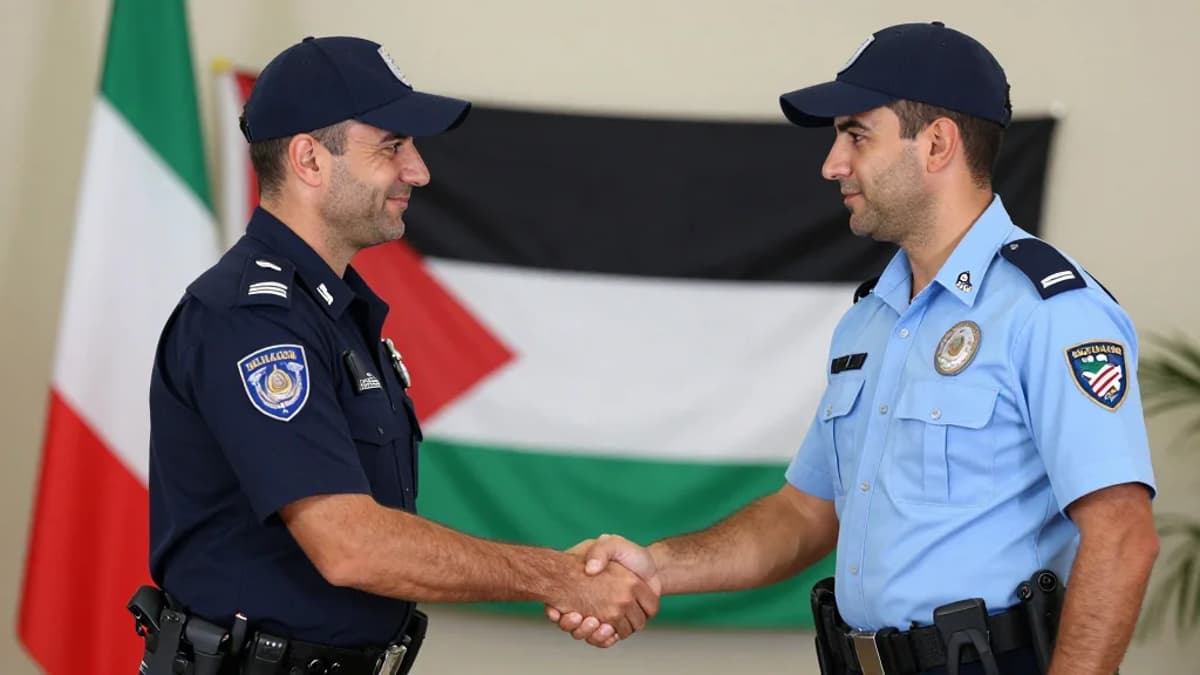
Italy Says It Stands Ready to Train Police in Gaza
Italy announced it is prepared to train new police forces in Gaza and the wider Palestinian territories, signaling a proactive diplomatic stance in the region. Foreign Minister Antonio Tajani emphasized readiness to build a Gaza police unit and support Palestinian...
By Al-Monitor – All
News•Feb 16, 2026
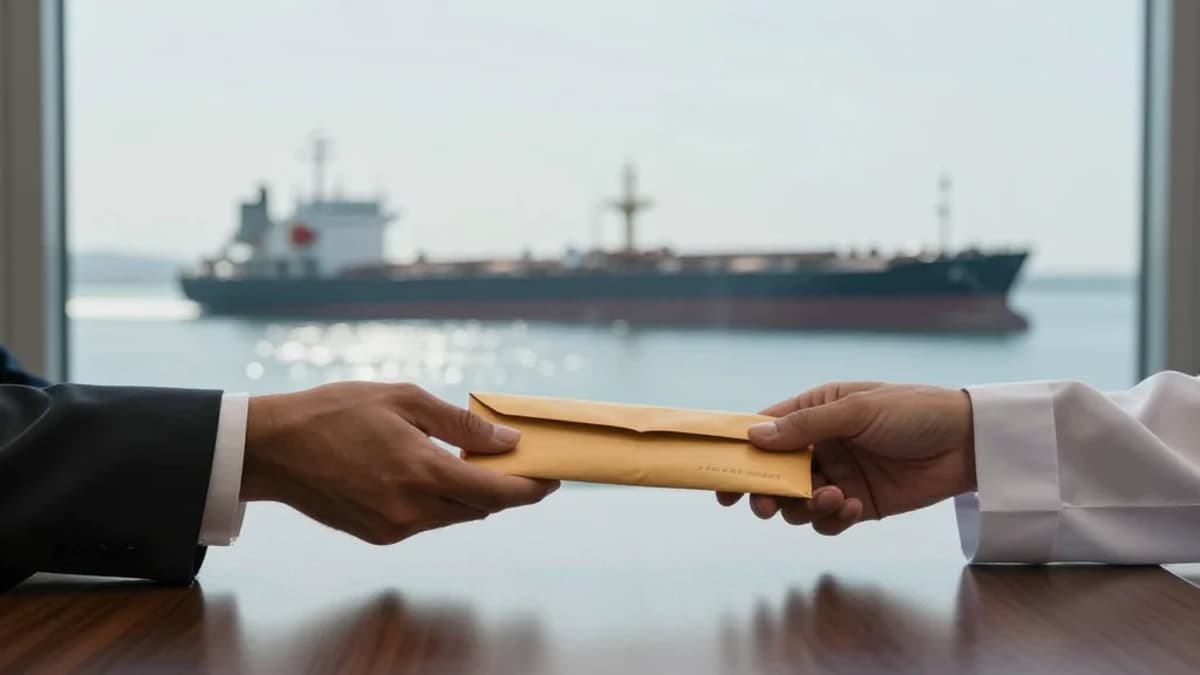
Iran Says US 'More Realistic' On Nuclear Issue, as Guards Begin Drills in Hormuz Strait
Iran’s foreign ministry said the United States has moved to a more realistic stance on Tehran’s nuclear programme ahead of a second round of indirect talks in Geneva, mediated by Oman. The Revolutionary Guard Corps launched naval drills in the...
By Al-Monitor – All

News•Feb 16, 2026
EU Commission to Attend Trump's Board of Peace Meeting as Observer
EU Commissioner for the Mediterranean Dubravka Suica will travel to Washington to attend the Board of Peace meeting convened by President Donald Trump as an observer. The EU Commission clarified it will not become a board member but will participate...
By Al-Monitor – All
News•Feb 13, 2026
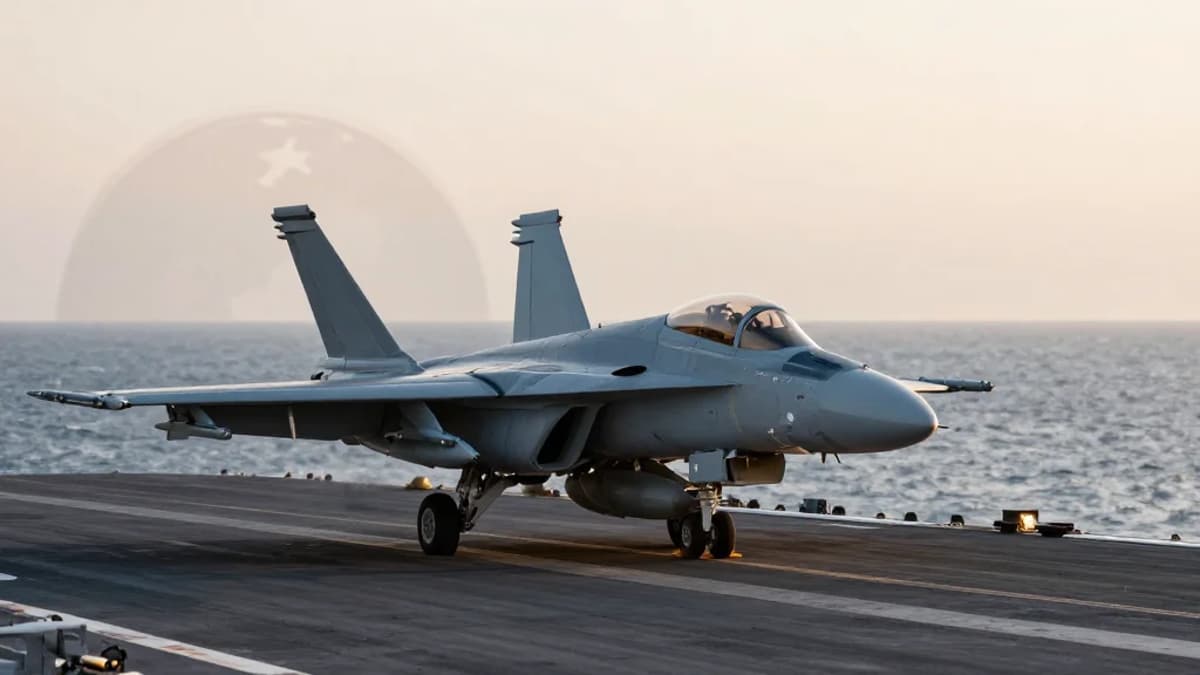
Trump Tells Troops 'Fear' Is Powerful Motivator in Difficult Iran Talks
President Donald Trump addressed troops at Fort Bragg, warning that fear may be necessary to compel Iran in stalled nuclear negotiations. He highlighted the recent deployment of a second U.S. aircraft carrier to the Middle East as a contingency if...
By Al-Monitor – All
News•Feb 13, 2026
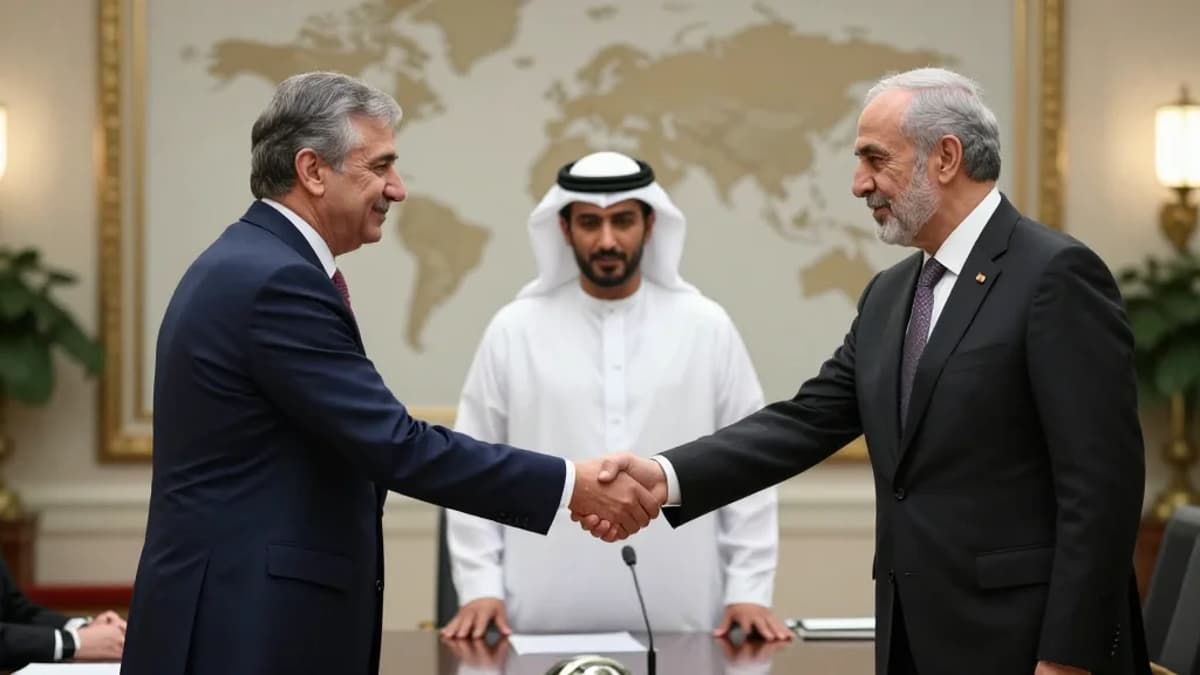
Rubio Holds Joint Talks with Syria's FM and SDF Commander in Munich
U.S. Secretary of State Marco Rubio met Syrian Foreign Minister Asaad al‑Shibani and Kurdish‑led Syrian Democratic Forces commander Mazloum Kobane on the sidelines of the Munich Security Conference. The talks came two weeks after a Jan. 30 cease‑fire that promises to...
By Al-Monitor – All

News•Feb 13, 2026
Zelenskiy Meets Iranian Opposition Figure Pahlavi
Ukrainian President Volodymyr Zelenskiy met exiled Iranian opposition leader Reza Pahlavi on the sidelines of the Munich Security Conference. The two discussed the need to tighten sanctions on Iran and other authoritarian regimes, and jointly condemned the growing military cooperation between...
By Al-Monitor – All
News•Feb 13, 2026
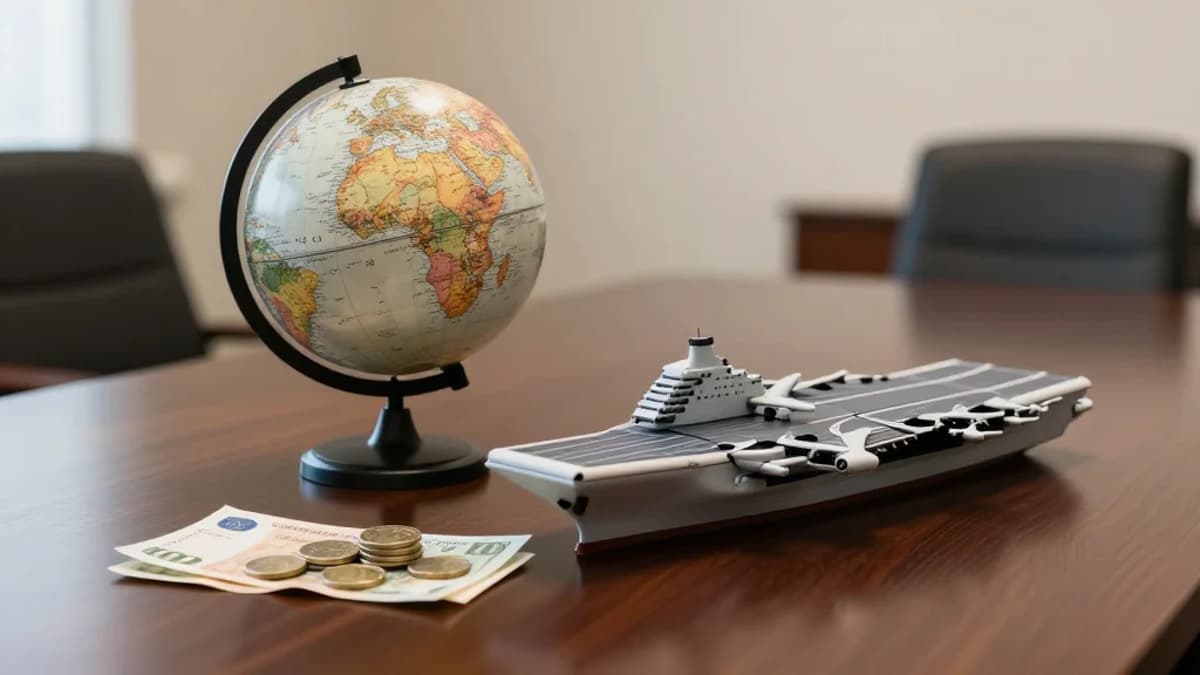
Trump Says Change of Power in Iran Would Be 'Best Thing'
U.S. President Donald Trump publicly called for a regime change in Iran, saying it would be the "best thing that could happen," while dispatching a second aircraft carrier, the USS Gerald Ford, to the Middle East. The move intensifies U.S. military pressure...
By Al-Monitor – All