May 2026 - Defense Budget News
The Pentagon has submitted a $1.45 trillion defense budget request for the upcoming fiscal year, marking roughly a 5% rise over the previous proposal. The increase is driven by accelerated modernization programs, including a $120 billion allocation for nuclear forces and an $80 billion boost for artificial‑intelligence and cyber capabilities. Additional funding sustains the United States’ commitment to Ukraine, with $50 billion earmarked for continued aid. Lawmakers will now weigh the request against broader fiscal pressures and competing domestic priorities.
May 2026 - Iran News
Former President Donald Trump publicly rejected the notion of employing nuclear weapons against Iran, emphasizing that the United States will not pursue a nuclear option as diplomatic talks remain at an impasse. He framed the dismissal as a reaffirmation of...

Managing the Dangers of Iran’s Remaining Nuclear Capabilities
The Arms Control Association’s latest analysis warns that Iran still possesses a modest but significant nuclear infrastructure despite the 2015 JCPOA constraints. Tehran retains low‑enriched uranium stockpiles and a limited centrifuge fleet that could be expanded quickly if political will...

Coping with Syria’s Chemical Weapons Legacy: An Interview with Mohamad Katoub, Syrian Ambassador to the Organisation for the Prohibition of...
In a candid interview, Syrian Ambassador Mohamad Katoub outlined Damascus’ ongoing effort to eliminate its chemical‑weapons stockpiles under the OPC W framework. He reported that roughly 90 percent of the declared agents have been destroyed, but security constraints still limit on‑site inspections....
When Gorbachev and Reagan Tried to End the Nuclear Threat
In January 1986 Soviet leader Mikhail Gorbachev publicly proposed a “nuclear disarmament by the year 2000,” a move that set the stage for the Reykjavik summit and accelerated U.S.–Soviet arms‑control talks. The proposal helped pave the way for the 1987 INF Treaty,...
Trump Dismisses Using Nuclear Arms Against Iran as Talks Stall
President Donald Trump publicly rejected the use of nuclear weapons against Iran, insisting the United States would rely on conventional means. He extended a two‑week cease‑fire to give Tehran more time to consider a U.S. proposal, but talks in Islamabad...
Costs Soar in $1.45 Trillion Defense Request
The Pentagon’s FY2027 budget request, part of President Trump’s $1.45 trillion defense plan, calls for $71.4 billion for nuclear weapons and delivery systems—a 15% increase over the prior year. An additional $350 billion would be sought through a reconciliation bill to fund AI‑driven...

Fact Checking Trump's Justifications for Attacking Iran
President Trump announced a new military campaign against Iran, claiming the move was driven by "imminent threats." In an eight‑minute video he cited three justifications: Iran’s alleged role in the 2000 USS Cole bombing, the total destruction of its nuclear program...
Fact-Checking Trump's Comments that a 2015 Deal Gave Iran the Right to Nuclear Weapons
President Donald Trump falsely claimed the 2015 Iran nuclear deal gave Tehran a right to top‑of‑the‑line nuclear weapons. PolitiFact and arms‑control experts confirmed the statement is false, noting the JCPOA explicitly barred Iran from acquiring a bomb under its NPT...

Strikes May Set Iran Back but Likely Won't End Nuclear Program, UN Watchdog Chief Warns
U.N. nuclear watchdog chief Rafael Grossi said Iran’s stockpile of 60‑percent‑enriched uranium remains largely intact after recent U.S. and Israeli airstrikes. He noted that much of the material is stored in deep‑underground facilities at Isfahan and Natanz, which are difficult...
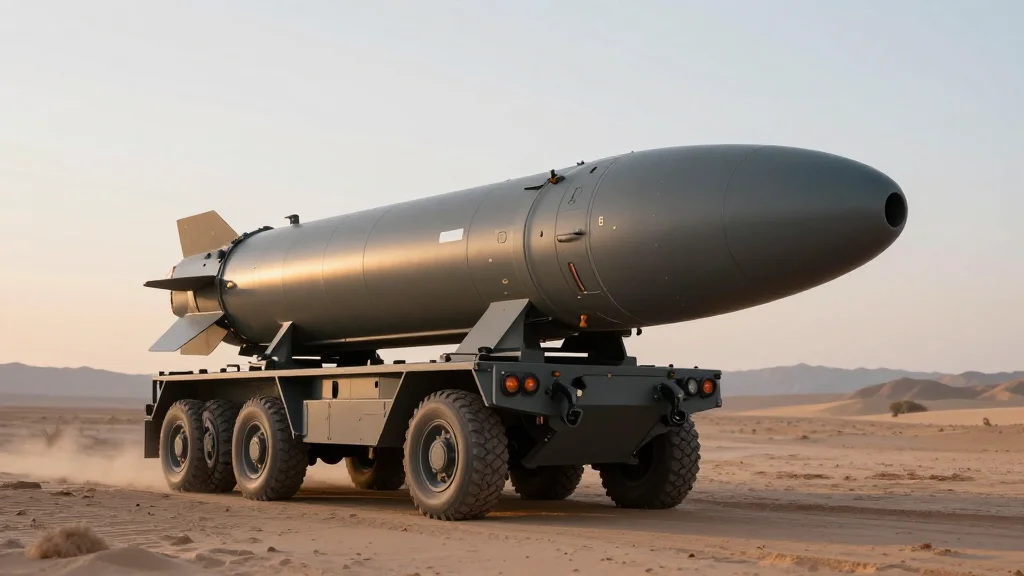
Explainer: How Hard Would It Be to Stop Iran's Missile Threat?
Iran has expanded its ballistic missile inventory to over 600 launchers, adding longer‑range, precision‑guided rockets capable of reaching most of Europe and the Middle East. The United States and regional allies face technical hurdles in intercepting these missiles, as Iran...

Trump and Netanyahu Confront the War the West Ignored
The op‑ed argues that the U.S.–Israel strikes against Iran are not a private Israeli conflict but a direct American war against a long‑building Iranian threat. Since February 28, U.S. forces have suffered about 200 casualties, killed 13 service members, and launched...

US Unlikely to Convince China to Join New Nuclear Arms Control Agreement, Experts Say
The United States is pressing for a new nuclear arms‑control pact to replace the expiring New START treaty, but leading experts say China is unlikely to sign on. Beijing views nuclear parity as essential to its security and remains wary...
For Security at Home and Across Europe, France Offers Nuclear Deterrence
President Emmanuel Macron unveiled a new “forward deterrence” doctrine, signalling the first major shift in France’s nuclear posture in decades. The plan calls for expanding the existing stockpile of roughly 300 warheads and extending the credibility of French nuclear forces...
Two Nuclear Wrongs Don’t Make a Right
The United States is edging toward resuming nuclear test explosions, driven by a 2025 directive from former President Donald Trump and an internal NNSA plan to act by 2028. The Comprehensive Test Ban Treaty (CTBT) remains unenforced, with nine key...
May 2026 Focus
The May 2026 Focus article "Two Nuclear Wrongs Don’t Make a Right" argues that recent nuclear policy missteps by major powers are compounding global security risks. It highlights the United States’ delayed modernization of its nuclear arsenal and Russia’s continued...

The Trump Administration Must Prioritize Verification in Iran Talks
U.S. and Iranian negotiators reconvened in Islamabad for a second round of nuclear talks, but the Trump administration faces a widening gap on verification. Experts argue that securing uninterrupted IAEA access, reinstating Iran’s comprehensive safeguards agreement, and adopting the Additional...
Diplomats Prepare for Difficult Nonproliferation Treaty Conference
Delegates are converging in New York for the 11th NPT Review Conference amid heightened nuclear tensions, a U.S.-Israeli war with Iran, and divergent positions on disarmament. The United States is pushing a hard‑line stance, threatening to resume nuclear testing and...
Critical Nonproliferation Treaty Review Conference Opens April 27
Representatives from roughly 190 governments will gather in New York from April 27 to May 22 for the 11th Nuclear Nonproliferation Treaty (NPT) Review Conference, the first such meeting since the 2022 session failed to produce a consensus outcome. The conference aims...

Does the Trump Administration Understand How ‘Enriched’ Uranium Is Made Into Weapons?
President Trump’s demand that Iran surrender its “enriched” uranium exposed a fundamental misunderstanding of nuclear physics. He repeatedly used the undefined term “nuclear dust” and appeared unaware of the distinction between low‑enriched fuel and weapons‑grade material. Nuclear experts warned that...

Will Israel Derail U.S.-Iran Peace Talks?
U.S. officials are attempting to restart nuclear negotiations with Iran, but Israeli leaders warn the talks could empower Tehran and undermine Israel’s security. Washington’s diplomatic push follows the 2025 cease‑fire that ended a brief Iran‑Israel clash, and the administration hopes...

A Ceasefire in the Form of a Strategic Debacle for the US
The Trump administration announced a two‑week cease‑fire with Iran while portraying Operation Epic Fury as a decisive victory. Defense Secretary Pete Hegseth and General Dan Caine listed massive destruction of Iranian air‑defense systems, missile sites, command nodes, fleet assets, and...
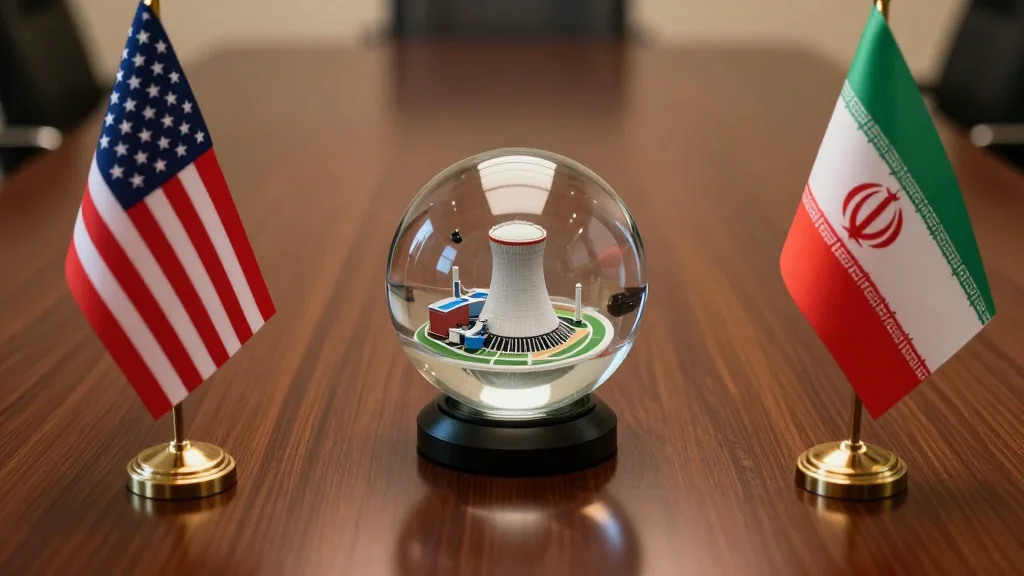
Analysis: U.S. Negotiators Were Ill-Prepared for Serious Nuclear Talks With Iran
U.S. negotiators entered the 2026 Vienna nuclear talks with Iran without a core team of senior nuclear experts, leading to vague proposals and a weakened bargaining position. Internal disagreements among the State Department, the National Security Council, and the Energy...

A Madman Without a Strategy: Trump’s Latest Threats Are Unacceptable
President Donald Trump warned on April 7 that the United States could launch an attack on Iran capable of wiping out an entire civilization, hinting at either massive conventional bombing or nuclear strikes. The statement sparked alarm among policymakers, who warned...
April 2026 Syria News
Syria announced a accelerated roadmap to finish the elimination of its declared chemical weapons stockpiles by the end of 2026. The plan, coordinated with the Organisation for the Prohibition of Chemical Weapons (OPCW), hinges on a $1.5 billion funding package pledged...

April 2026 - NPT Conference News
The 11th Review Conference of the Nuclear Non‑Proliferation Treaty convened in Geneva this April, drawing participation from more than 50 states. Delegates grappled with persistent challenges such as Iran’s nuclear ambitions, North Korea’s missile program, and the fallout from the...
April 2026 NK News
North Korea announced it will only resume substantive talks with the United States if Washington formally acknowledges Pyongyang’s status as a nuclear-armed state. The demand follows a series of high‑level diplomatic overtures, including a recent summit in Beijing, and is...

April 2026 Iran News
Former President Donald Trump announced a renewed diplomatic push to negotiate a settlement with Iran, aiming to end the ongoing proxy conflict that has drawn U.S. forces into the region. The proposal includes a phased sanctions relief package contingent on...

April 2026 Books of Note
Two new titles spotlight the costs of militarism and nuclear proliferation. *The Trillion Dollar War Machine* by William D. Hartung and Ben Freeman argues that U.S. defense spending has ballooned beyond the Cold‑War era industrial complex, urging public pressure to...
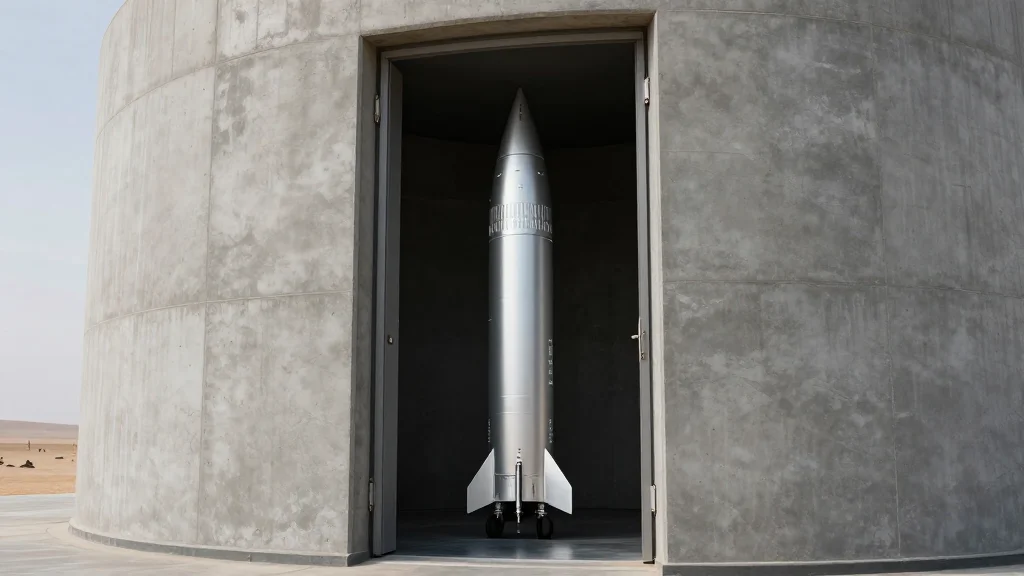
Analysis: U.S. Negotiators Were Ill-Prepared for Serious Nuclear Talks With Iran
In February 2026, U.S. Special Envoy Steve Witkoff and Jared Kushner met Iran’s foreign minister in Geneva, but their lack of nuclear expertise led to mischaracterizations of Iran’s proposal. Witkoff’s erroneous focus on the Tehran Research Reactor and 20% enrichment ceiling...
Coercing Syria on Chemical Weapons: A Case Study of Deterrence and Coercive Diplomacy
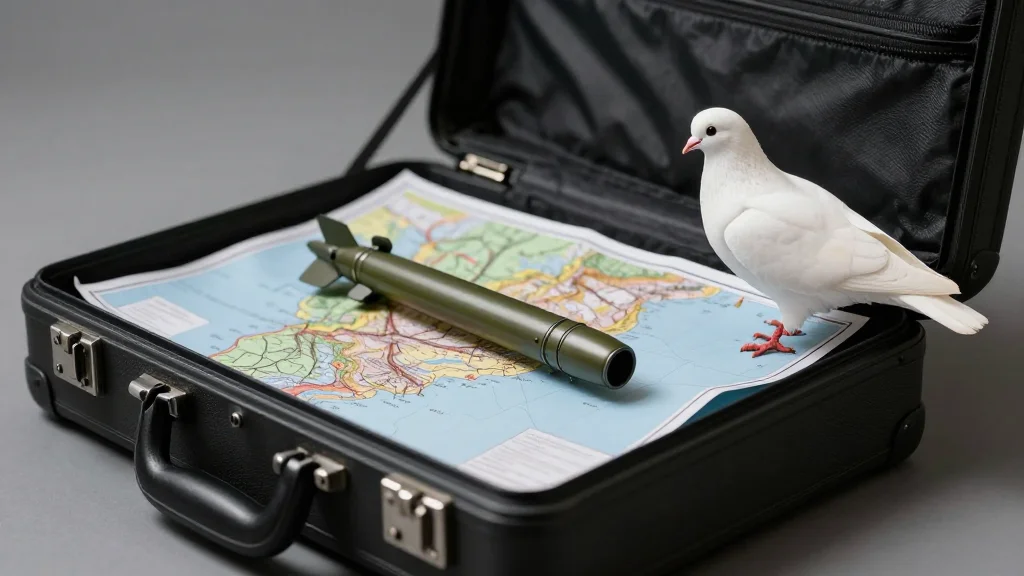
The Oxford University Press volume *Coercing Syria on Chemical Weapons* dissects three distinct phases of U.S. attempts to deter and compel Syrian chemical‑weapon use from 2012‑2020. It argues that the traditional “resolve plus bombs” approach failed because it ignored Bashar Assad’s core...
The Iran War Will Provoke a New Nuclear Age
On March 23, amid the escalating US‑Israel war with Iran, North Korean leader Kim Jong Un delivered a victory‑style address to the Supreme People’s Assembly. He framed the United States as a global aggressor and declared that North Korea’s “nuclear shield”...
Conference Chief Seeks to Rebuild NPT Credibility: An Interview with Ambassador Do Hung Viet of Vietnam, President of the...
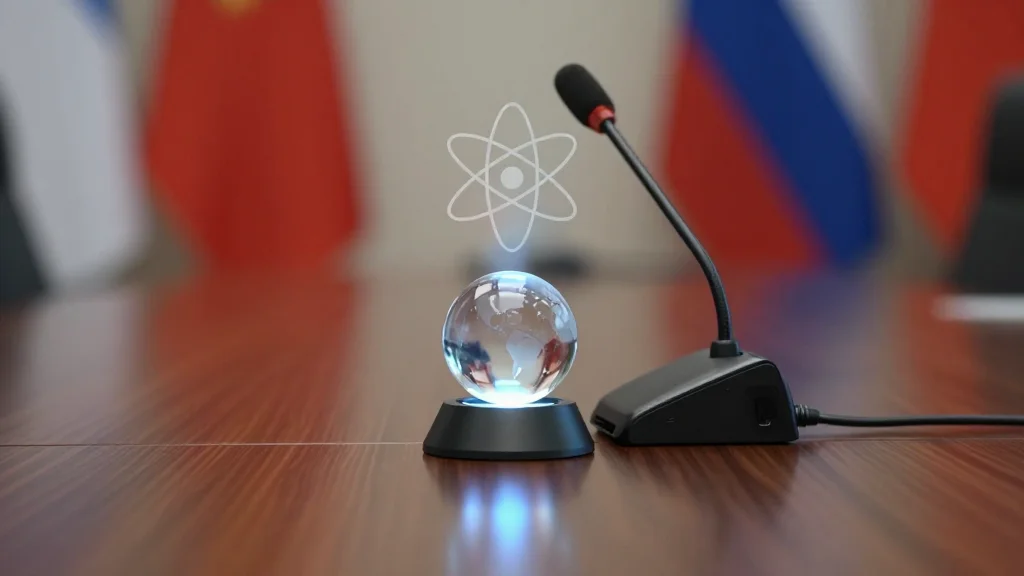
Vietnam’s UN ambassador Do Hung Viet will preside over the 2026 Nuclear Non‑Proliferation Treaty (NPT) Review Conference in New York from April 27 to May 22. He aims to rebuild the treaty’s credibility by fostering inclusive dialogue, improving the conference’s procedural transparency, and presenting an...
Strikes May Set Iran Back but Likely Won't End Nuclear Program, UN Watchdog Chief Warns
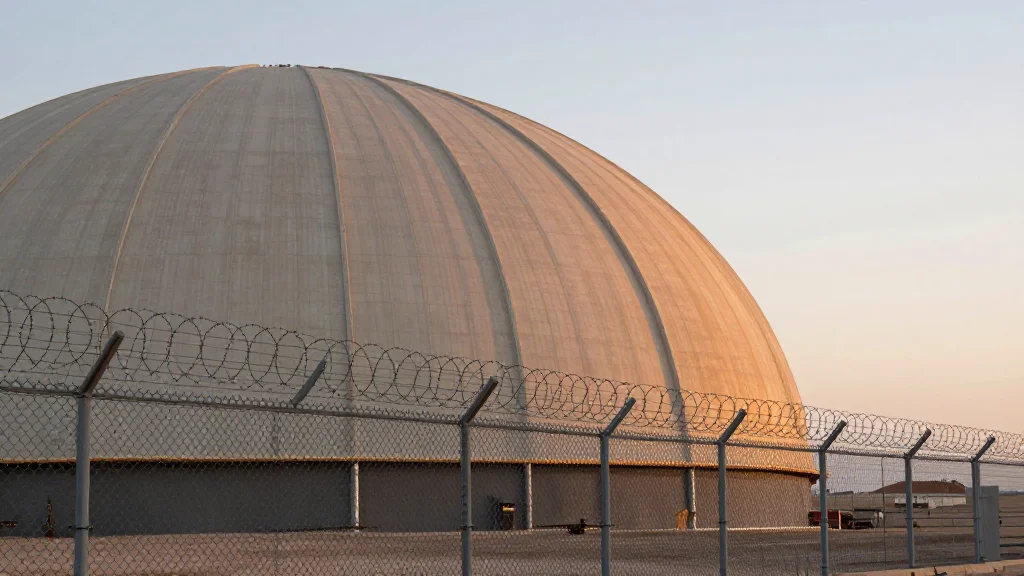
U.N. nuclear watchdog chief Rafael Grossi warned that recent U.S. and Israeli strikes have not dismantled Iran’s core nuclear capabilities. He said the enriched uranium stockpile remains largely where it was, primarily at the Isfahan complex and in smaller quantities at...
Virtual Briefing: Multilateral Arms Control After New START: Involving China and Other Nuclear-Armed States
The New START treaty between the United States and Russia expired on February 5, opening the door for the two powers to increase deployed strategic nuclear weapons for the first time in 35 years. President Trump rejected President Putin’s proposal to extend...
U.S. Negotiators Were Ill-Prepared for Serious Nuclear Negotiations with Iran
U.S. Special Envoy Steve Witkoff and Jared Kushner met Iranian officials in Geneva just before the Feb. 28 U.S.-Israel strikes, but Witkoff’s limited technical knowledge led to mischaracterizations of Iran’s nuclear program. He portrayed the Tehran Research Reactor’s fuel stockpile as...

Was Iran Really Building a Nuclear Weapons? Podcast
An investigative podcast released by The Guardian examines whether Iran is covertly advancing a nuclear weapons capability. It references recent IAEA findings that Iran’s uranium enrichment has surpassed limits set for peaceful use, and discusses heightened diplomatic pressure from the...
Iran Could 'Go Nuclear' In Wake of US-Israeli Attacks, Experts Warn
Experts warn that recent U.S. and Israeli strikes on Iranian targets could push Tehran to accelerate its nuclear program. Iran has hinted at resuming higher‑level uranium enrichment and expanding its missile capabilities as a deterrent. The heightened rhetoric comes amid...
March 2026 China News
The United States has formally accused China of preparing a nuclear test, citing satellite imagery and intelligence that suggest recent underground drilling activities. Washington claims the preparations violate the Comprehensive Nuclear‑Test‑Ban Treaty (CTBT) and could signal a shift in Beijing’s...
March 2026 New START News
The New START treaty between the United States and Russia officially expired in February 2026, ending the last major bilateral nuclear arms control agreement. Washington has immediately called for a "modernized" replacement that would tighten warhead limits, introduce new verification...
March 2026 - Iran News
Former President Donald Trump authorized a missile strike on Iran's nuclear enrichment sites, disrupting ongoing talks in Vienna. The operation targeted at least three key facilities, causing significant infrastructure damage and civilian casualties. The United States justified the action as...

Did Iran's Nuclear and Missile Programs Pose an Imminent Threat? No.
The latest issue brief argues that Iran’s nuclear and missile programs do not constitute an imminent threat to regional or global security. It points out that Tehran’s uranium enrichment remains well below weapons‑grade levels and that its ballistic missile inventory...
Inside America's Nuclear Sponge and the Three Areas Set to Absorb First Wave of Attack
The United States relies on a three‑legged nuclear triad, with the land leg consisting of roughly 450 aging silo‑based ICBMs known as the “nuclear sponge.” Experts warn that these silos are the weakest link, vulnerable to ground‑burst attacks that could...
Why This War With Iran Was Always Necessary
The American Thinker editorial argues that a U.S. war with Iran has become inevitable due to Tehran’s accelerating nuclear program and persistent regional destabilization. It cites failed diplomatic overtures, relentless sanctions, and growing support from Gulf allies as evidence that...

White House Offers Shifting Rationales for War with Iran
The Middle East conflict entered its fourth day as the Trump administration launched a military strike against Iran. White House officials have offered a series of shifting rationales—ranging from regime change to preemptive action and nuclear disarmament—despite intelligence assessments indicating...
Did Iran's Nuclear and Missile Programs Pose an Imminent Threat? No.
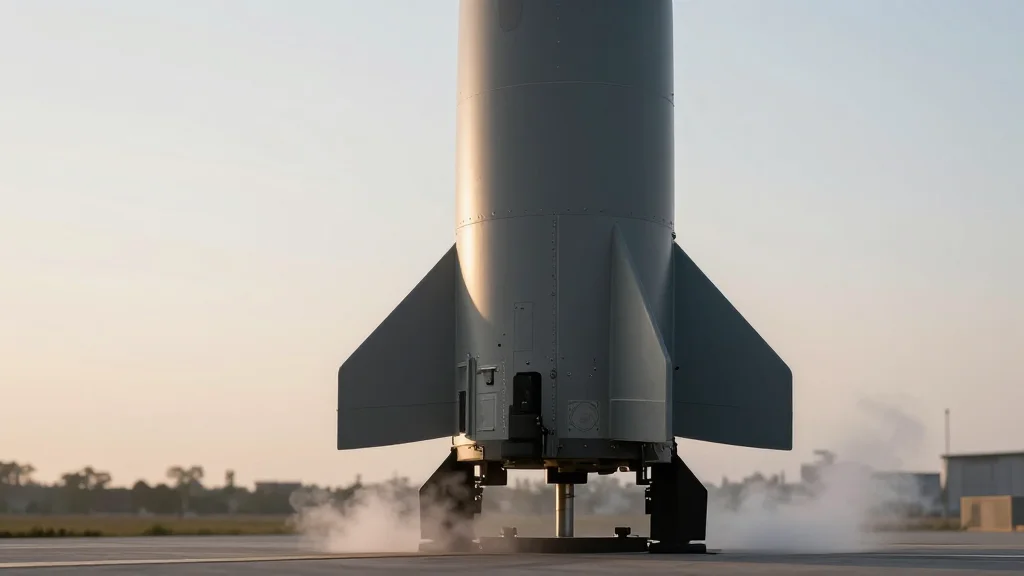
U.S. officials, including President Trump, claimed Iran’s nuclear and missile programs posed an imminent threat to justify the Feb. 28 strikes, yet the International Atomic Energy Agency found no structured weapons program and no evidence of an immediate nuclear danger. The...

TAKE ACTION: Tell Congress to Approve the Iran War Powers Resolution
President Trump, alongside Israeli Prime Minister Netanyahu, launched an unapproved U.S. military strike against Iran on Feb. 28, aiming to topple its leadership and degrade conventional forces. The operation lacked any congressional authorization, contravening the Constitution’s War Powers Act and international...

Proposed Saudi-U.S. Deal Could Allow Uranium Enrichment, Arms Control Experts Warn
U.S. officials are negotiating a nuclear cooperation agreement with Saudi Arabia that could permit the kingdom to develop uranium enrichment capabilities. Congressional documents and the Arms Control Association warn the deal may create a pathway to a Saudi weapons program,...

US Removing Guardrails From Proposed Saudi Nuclear Deal, Document Says
The United States is stripping previously imposed safeguards from a draft nuclear cooperation agreement with Saudi Arabia, according to a newly released diplomatic document. The revision would relax limits on technology transfer, allowing broader access to advanced nuclear fuel cycle...
March 2026 Focus
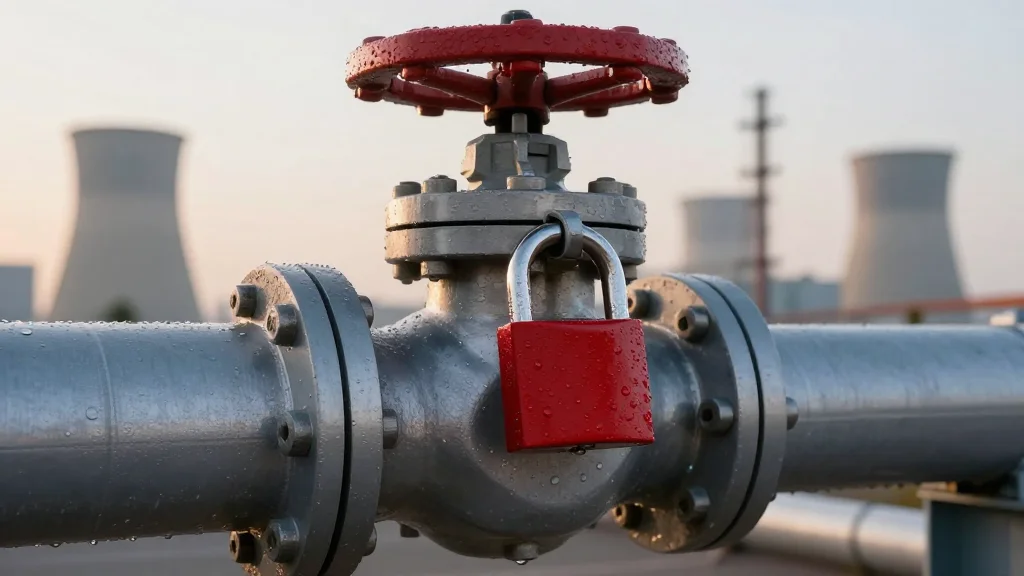
Trump’s administration abandoned the Joint Comprehensive Plan of Action in May 2023, replacing multilateral diplomacy with a “maximum‑sanctions” approach toward Iran’s nuclear program. The withdrawal re‑imposed crippling sanctions on Tehran’s oil sector and halted inspection mechanisms, prompting Iran to accelerate...