Ars Technica (Space)
Tech media outlet providing authoritative coverage of spaceflight technology and the commercial space industry.

After Half a Decade, the Russian Space Station Segment Stopped Leaking
After five years of persistent micro‑leaks, the PrK transfer tunnel on the Russian segment of the International Space Station has been confirmed stable by NASA. The leaks, caused by microscopic cracks in the aging Zvezda‑adjacent module, were mitigated through repeated applications of the patented sealant Germetall‑1. NASA’s spokesperson said pressure in the PrK is now holding steady, though monitoring continues. The announcement coincides with upcoming Progress cargo launches in March and April 2026 and a Soyuz crewed flight slated for July.
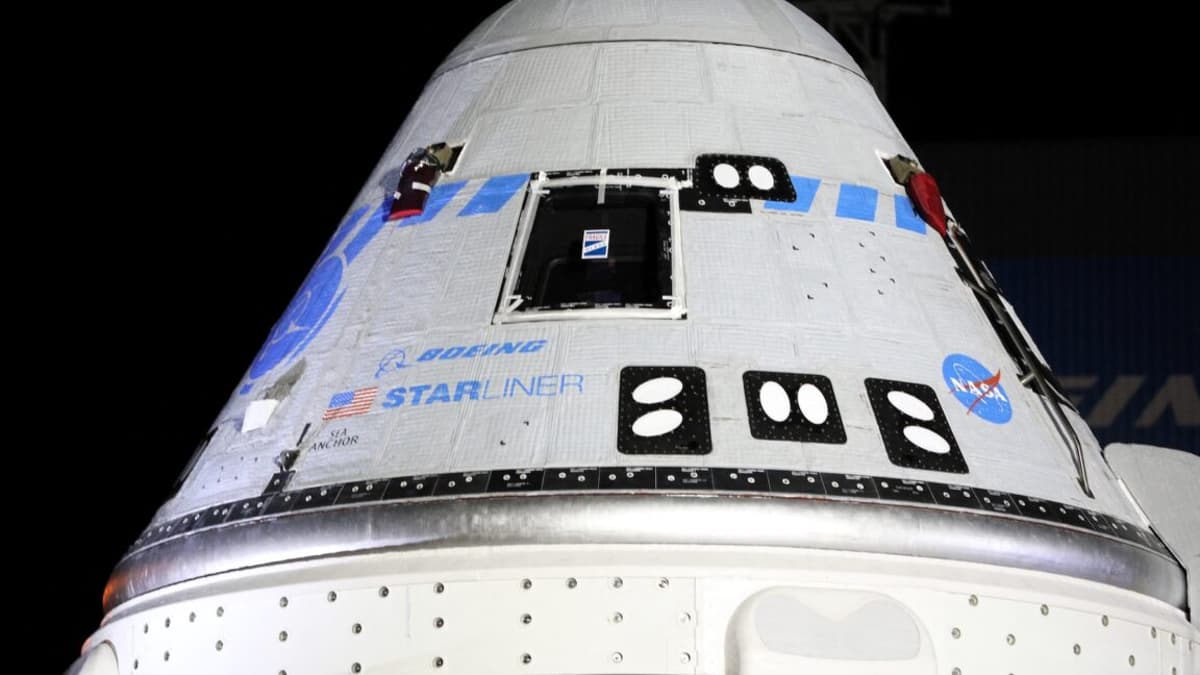
Safety Panel Says NASA Should Have Taken Starliner Incident More Seriously
NASA’s Aerospace Safety Advisory Panel warned that the agency should have formally declared the Starliner crewed‑flight anomalies a high‑visibility close call. In June 2024, Starliner’s thrusters overheated and helium leaks threatened docking, forcing astronauts Wilmore and Williams to stay on...

NASA Rewraps Boeing Starliner Astrovan II for Artemis II Ride to Launch Pad
NASA rewrapped Boeing’s Astrovan II, an Airstream motorhome, with Artemis II graphics for the crew’s ride to the launch pad during a December 2025 rehearsal. The vehicle, originally used for Boeing’s Starliner crew transport, replaces the three Canoo electric vans NASA received...
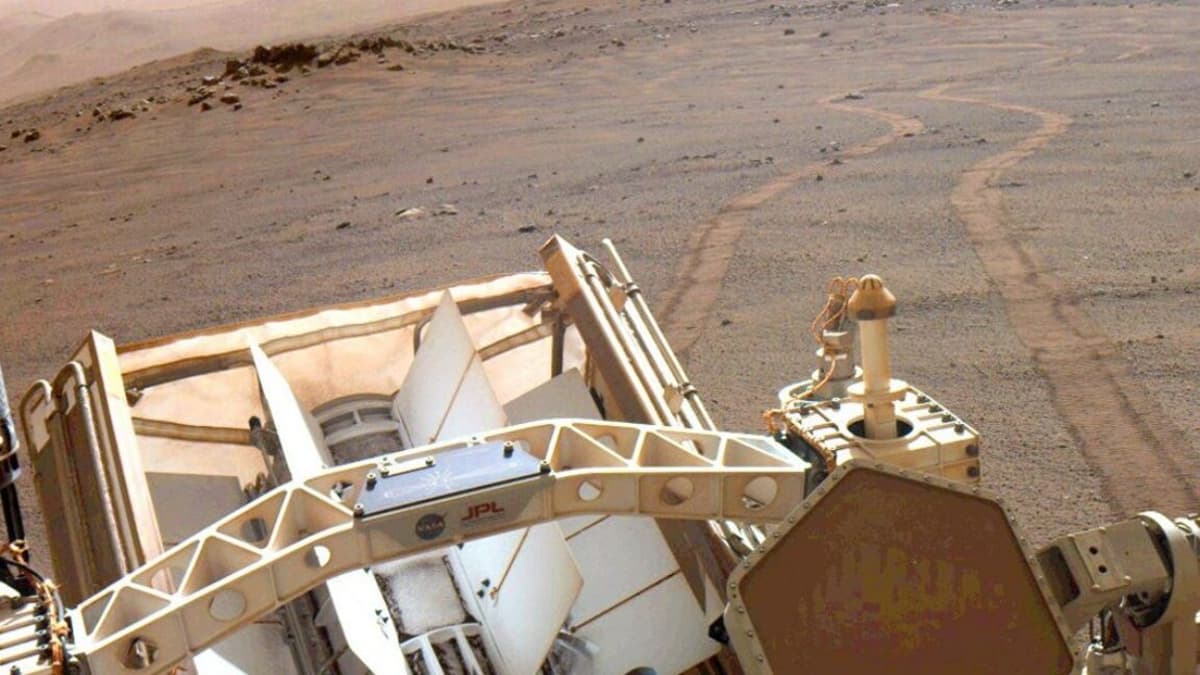
NASA Will Soon Find Out if the Perseverance Rover Can Really Persevere on Mars
NASA’s Mars Sample Return (MSR) program remains in limbo as costs balloon to $11 billion, pushing a likely launch into the 2030s. Meanwhile, the Perseverance rover, five years on Mars, is in excellent health and has traveled 40 km—double its original mobility...

NASA Just Lost Contact with a Mars Orbiter, and Will Soon Lose Another One
NASA announced loss of contact with the MAVEN orbiter after it emerged from behind Mars, raising concerns about the agency's aging communications fleet. MAVEN, launched in 2014, has been a critical relay for rover data and atmospheric science, but its...