
Mood Enhancers and Munchies: The Science Behind Cannabis Cravings
Clinical studies now confirm that THC directly stimulates appetite and alters food reward through the endocannabinoid system. The cannabis edibles and beverage market, valued at roughly $28 bn, is expanding rapidly as younger shoppers cut back on alcohol and seek wellness‑focused snacks. Major retailers such as Target and Total Wine are already testing hemp‑derived THC products, while brands innovate with gummies, infused coffee syrups, and premium chocolate. However, new U.S. hemp regulations slated for November 2026 could cap THC levels and reshape the sector.

Calm in the Chaos: How US Bakers Are Fighting Back on Regulation, Reformulation and a Restless Consumer
U.S. bakers are confronting heightened regulatory scrutiny and rapidly shifting consumer preferences, prompting the American Bakers Association (ABA) to launch an ambitious "Baked for America" communications push. The campaign, funded by IBIE proceeds, seeks to present baking as safe, affordable...

The Simple Sandwich Is Pushing Boundaries Like Never Before
The UK sandwich market is undergoing a premium‑driven renaissance, with more than half of consumers reporting increased consumption. Quality, especially artisanal bread and fresh fillings, now outweighs price, prompting shoppers to pay £10+ (≈$13) for elevated options and even £28...

GLP-1s: Is the Industry Asking the Wrong Question?
GLP‑1 medications now reach roughly 13.3% of U.S. consumers and could climb to about 21% by 2030, prompting a reevaluation of food‑category impacts. Industry research from the American Bakers Association shows that rather than abandoning baked‑goods, users are eating smaller...

TikTok-Fuelled Food Shortages: How Industry Can Respond
TikTok-driven trends have sparked global shortages of pistachios and ube, exposing supply‑chain concentration risks. The Philippines dominates authentic ube production, while pistachios face similar concentration. Experts advise firms to map concentration risk, maintain format flexibility, and communicate quickly with suppliers....

‘Healthy’ Has Moved on – Have Snacks?
The snack industry is redefining "healthy" by adding nutrition—fiber, protein, plant‑based ingredients—while preserving indulgence. Manufacturers are turning to sensory design, using texture, crunch, sound and multi‑sensory cues to fill the taste gap left by reduced sugar, salt and fat. Flavour...

Italy’s Antitrust Watchdog Slaps €23.3m Fines on Snack Makers over Alleged Private Label Cartel
Italy’s Competition and Market Authority fined Amica Chips, Pata and Preziosi Food a combined €23.3 million (about $25 million) for coordinating supply of private‑label savoury snacks. The regulator said the trio ran a continuous market‑sharing scheme that divided supermarket own‑brand volumes, breaching...
Anzac or Tim Tam: Who Runs Australia’s $3.8bn Biscuit Aisle?
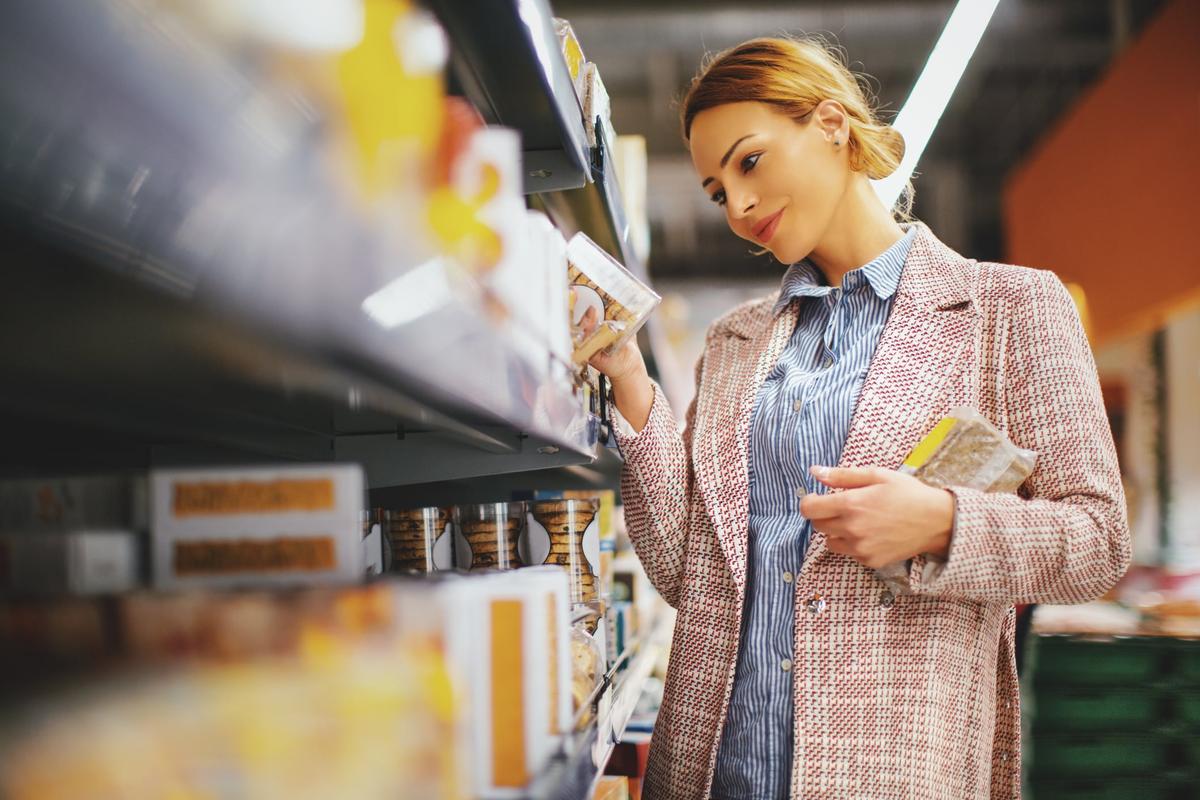
Australia’s biscuit aisle, worth about AU$3.8 bn (≈ US$2.5 bn), is still led by Arnott’s, which commands roughly 55‑60% of the market. Growth is now split between value‑oriented products that act as cheap indulgences and premium, bakery‑style offerings that command higher margins. Tim Tam...
The Next Matcha? Ube Surges in Popularity
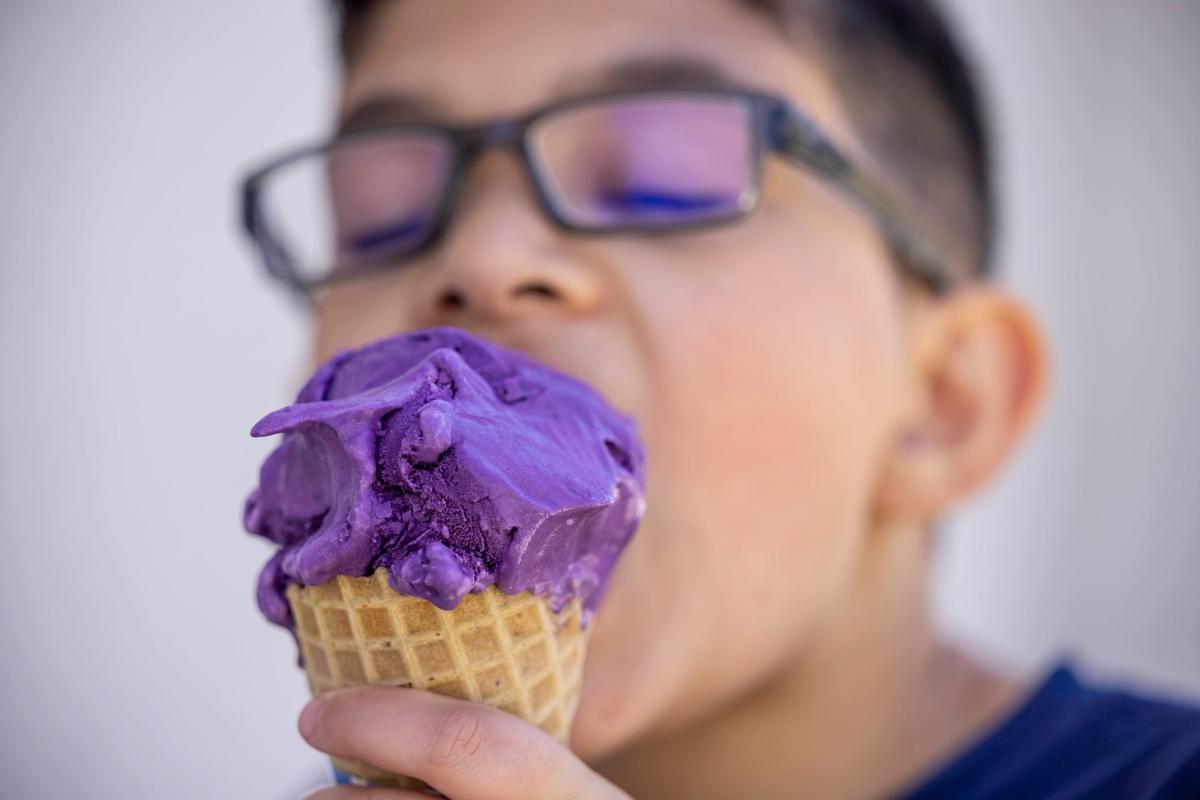
Ube, the purple Filipino yam, is gaining global traction as a color‑driven food trend, echoing matcha’s rise. Social‑media buzz and a sharp increase in Google searches since February have pushed the ingredient onto beverage and dessert menus worldwide. Market research...

Private Label Is Surging. Here Are 3 Ways Food Brands Can Fight Back
Private label products now command a record 50% of unit sales across Europe’s six largest grocery markets, driven by low pricing and persistent food‑inflation pressure. Shoppers are gravitating toward supermarket own‑brands as they seek cost‑effective options, while retailers also expand...

Toast-Time Trade-Off Eases as Gene-Edited Wheat Cuts Acrylamide Risk by 93%
Scientists at Rothamsted Research used CRISPR to edit wheat genes, slashing free asparagine levels by up to 93% and thereby reducing acrylamide formation in baked and fried foods. Field trials over two years showed the edited lines retained normal grain...
Can AI Really Sort the UPF Mess the Food Industry Is Facing?
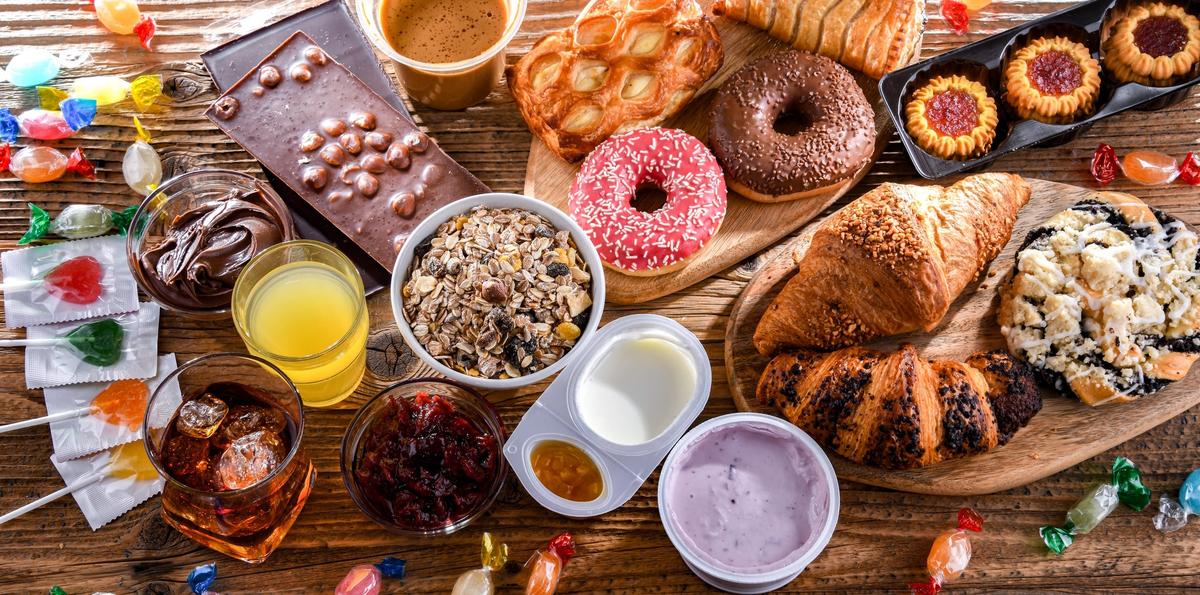
Food‑tech startup WISEcode unveiled an AI‑driven app that grades foods on a spectrum from minimal to “super‑ultra” processed, positioning itself as a more nuanced alternative to the blunt NOVA classification. The move comes amid a regulatory vacuum, with the U.S....

Stagflation Is Food Manufacturing’s Worst-of-Both-Worlds Scenario
Stagflation is resurfacing in food manufacturing as soaring energy and fertilizer costs collide with waning consumer demand. Brent crude has rebounded above $90 a barrel, pushing the FAO Food Price Index up 2.4% in March 2026 and inflating raw‑material expenses....

6 Key Food Innovation Trends Driven by Feel Good Indulgence
The TrendBites report identifies six food‑and‑beverage trends in APAC where consumers demand indulgence that also makes them feel good. Heritage flavours are being reimagined with modern twists, while texture is rivaling taste for 70% of shoppers. Lighter, herb‑infused treats, affordable...

NPD: Match-Day Bites Built for Energy, Heat and Hype
Match‑day snacking is evolving from traditional indulgences to higher‑protein, functional options that support energy, recovery, and portion control. Brands are leveraging limited‑edition, sport‑themed packaging and bold flavours to tap into the growing overlap between fandom, fitness and feel‑good food. New...