
Transforming Genomic Data Into Cancer Treatment Solutions
The article outlines how massive genomic datasets are being converted into actionable cancer therapies. Advanced sequencing platforms now generate patient‑specific mutation profiles, while AI‑driven analytics pinpoint druggable targets. Integrated data‑sharing consortia accelerate clinical trial design, shortening the path from discovery to bedside. Regulatory bodies are revising approval pathways to accommodate personalized, genomics‑based treatments.

Long-Term Effects of Wilms Tumor Treatments: Monitoring Insights
A recent analysis highlights the long‑term health consequences faced by survivors of Wilms tumor, focusing on renal impairment, cardiotoxicity, and secondary malignancies. The study underscores the necessity of structured, lifelong monitoring protocols, including periodic imaging and functional testing. Emerging data...

Comparing DIG with TIP for Hypospadias Repair
A recent comparative analysis evaluates dorsal inlay graft (DIG) versus tubularized incised plate (TIP) techniques for hypospadias repair. The study reviews operative time, complication rates, and long‑term functional outcomes across pediatric cohorts. Findings suggest DIG may lower urethral stricture incidence,...
Long-Term Multiplexed Gene Regulation Recorders
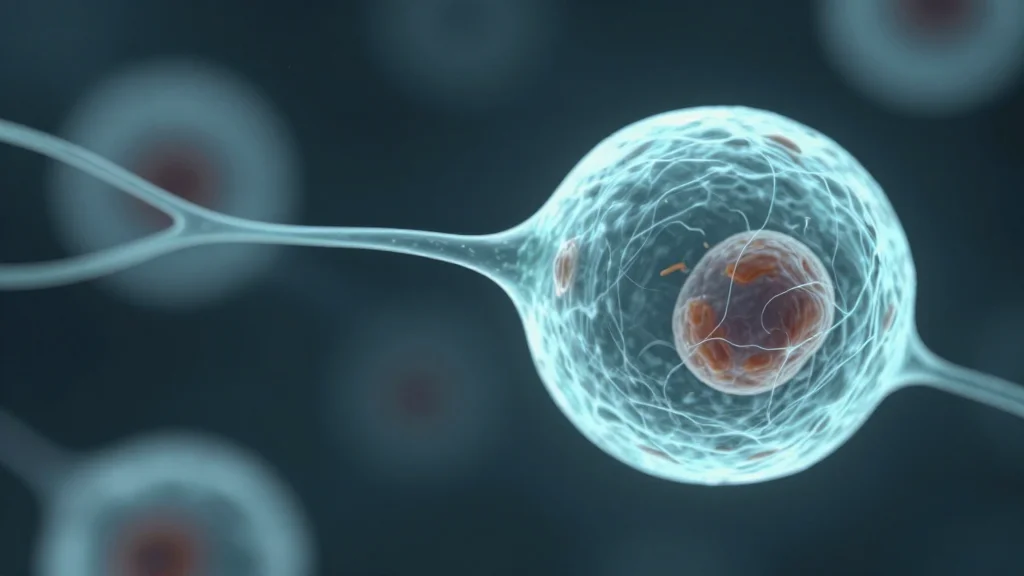
CytoTape, a genetically encoded protein tape recorder, enables continuous, multiplexed tracking of gene‑regulation events for up to three weeks in single living cells. The modular system records up to five transcription‑factor activities simultaneously and has been adapted as CytoTape‑vivo for...

Key Genes Uncovered in Quinoa Seed Germination
Researchers have pinpointed a suite of key genes that drive quinoa seed germination, using high‑throughput transcriptomic profiling and gene‑editing validation. The study identified twelve candidate genes linked to hormone signaling, stress response, and energy metabolism, with several showing enhanced germination...

Feedback Loop Drives Colorectal Cancer Through FAK/AKT
Researchers have uncovered a positive‑feedback loop involving EIF4A3, circPTGR1, and miR‑4725‑5p that drives colorectal cancer progression through activation of the FAK/AKT pathway. The study shows EIF4A3 is overexpressed in tumor tissue, boosting circPTGR1 levels, which sponge miR‑4725‑5p and sustain its...

Impact of Multiple Conditions on Southeast Asia Quality of Life
Recent research highlights that rising multimorbidity across Southeast Asia is eroding quality of life and inflating healthcare expenditures, especially among elderly populations such as in India. Parallel studies reveal machine‑learning breakthroughs in dementia classification, persistent gender disparities in precarious work...

Psoroptes Ovis Lowers Testosterone, Hinders Rabbit Mating
A recent study reveals that infestation by the mite Psoroptes ovis significantly reduces testosterone production in male rabbits, leading to impaired mating behavior. Laboratory tests showed a measurable drop in circulating testosterone levels within weeks of infection. The hormonal disruption...

Soft Robotic Probe Enhances Fetal Monitoring Techniques
A new soft robotic probe designed for fetal monitoring offers a flexible, skin‑like interface that conforms to the maternal abdomen, delivering continuous, high‑fidelity heart‑rate data. The device incorporates stretchable piezoelectric sensors and wireless telemetry, achieving up to 30% better signal...

New Gussevia Species Found on Astronotus Ocellatus Fish
Researchers have described a new monogenean parasite species in the genus Gussevia that infects the gills of the ornamental Oscar fish (Astronotus ocellatus). The specimen was collected from the semi‑arid Caatinga region of northeastern Brazil, an area previously under‑sampled for...

Unveiling Oogenesis in Alligator: LncRNA-miRNA-mRNA Insights
Researchers have mapped the lncRNA‑miRNA‑mRNA regulatory network governing oogenesis in the American alligator for the first time. The study identified over a hundred differentially expressed long non‑coding RNAs and linked them to key follicular development pathways. Comparative analysis shows significant...
Midlife Activity Linked to Men’s Hip Fracture Risk
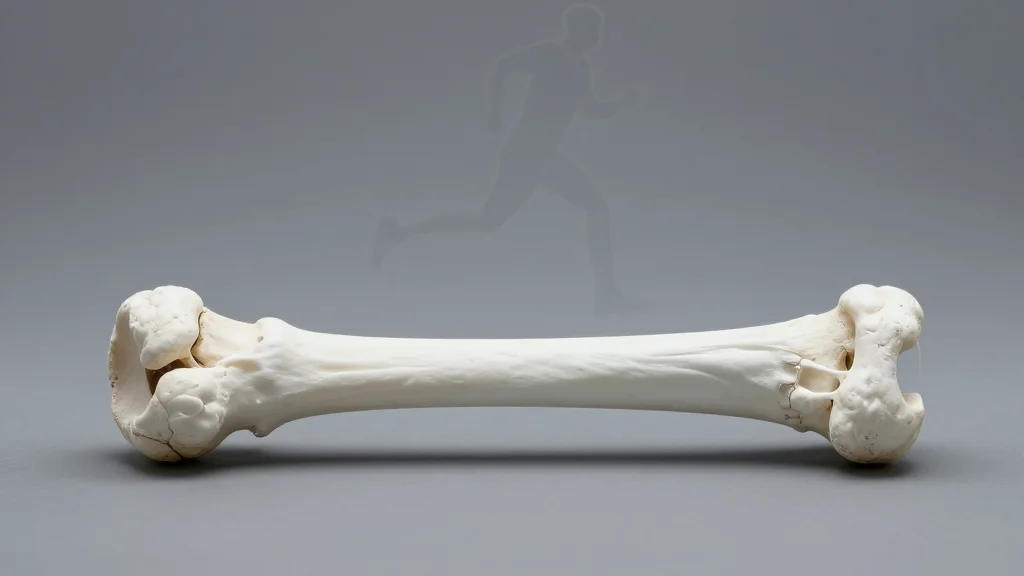
A new longitudinal study in the Archives of Osteoporosis links midlife physical activity and body‑mass index (BMI) to hip‑fracture risk in men five decades later. Researchers analyzed thousands of participants from the NOREPOS cohort, finding that higher activity levels during...

Tracking Corvid Vocalizations with Miniature Tech
Researchers published a study in *Animal Cognition* demonstrating that ultra‑light, low‑impact tags can record high‑resolution vocalizations from free‑living corvids. The tags captured real‑time calls and associated body language, revealing distinct vocal patterns for kin versus strangers. Findings highlight corvids' sophisticated...

Analyzing Risk Factors in Hip Dysplasia via Ultrasound
A recent clinical study leveraged neonatal ultrasound to pinpoint risk factors for developmental hip dysplasia (DDH). Researchers correlated specific sonographic markers with maternal BMI, genetic predisposition, and biomechanical variables. The analysis demonstrated that early, standardized imaging can markedly lower the...

Early Mortality Risks in Chinese Acute Leukemia Kids
A recent multicenter study of 1,842 Chinese children with acute leukemia identified several factors that double early‑mortality risk within 30 days of diagnosis. High‑risk features included age under one year, severe hyperleukocytosis, and delayed initiation of induction chemotherapy beyond 48...

Gender Differences in Anxiety and Depression in Mice
A recent pre‑clinical study reveals pronounced gender differences in anxiety and depression phenotypes among laboratory mice. Female mice displayed significantly higher anxiety‑like behavior and depressive‑like immobility, while male mice showed milder responses under identical stress protocols. Hormonal profiling linked elevated...

Granzyme B-Mimic Nanozyme Targets Cancer Cells
Researchers have engineered a granzyme B‑mimic nanozyme that selectively attacks cancer cells by replicating the proteolytic activity of the immune‑system enzyme granzyme B. Laboratory tests show the nanozyme cleaves tumor‑specific membrane proteins, triggering apoptosis while sparing healthy tissue. In mouse...

Streamlining ACMG Variant Classifications with BIAS-2015
The study by Eisenhart, Brickey and Nadon introduces BIAS‑2015 v2.1.1, a machine‑learning algorithm designed to automate ACMG variant classifications. Benchmarking against the FDA‑approved eRepo dataset shows the tool achieves accuracy comparable to the gold‑standard reference. By learning from previously classified variants,...

Long-Term Crop Diversity Boosts Profit, Biodiversity, Ecosystems
A recent study finds that farms practicing long‑term crop diversity see higher profit margins, increased biodiversity, and stronger ecosystem services. Over a decade, diversified rotations reduced input costs by up to 15% while boosting yields of staple crops. Soil health...

Exploring Incentives for Buprenorphine Treatment in Family Medicine
The article examines emerging financial and regulatory incentives aimed at expanding buprenorphine prescribing within family medicine practices. It highlights federal grant programs, revised reimbursement structures, and streamlined waiver processes that lower barriers for primary‑care clinicians. The piece also discusses how...

Stress Effects on Learning and Memory in Cichlids
Recent laboratory studies reveal that acute and chronic stress markedly diminish learning speed and memory retention in several cichlid species. Researchers measured cortisol spikes and employed maze navigation and color‑association tasks, finding up to a 40% performance drop under stress....
LncRNA PVT1 Influences Endothelial Function in DVT
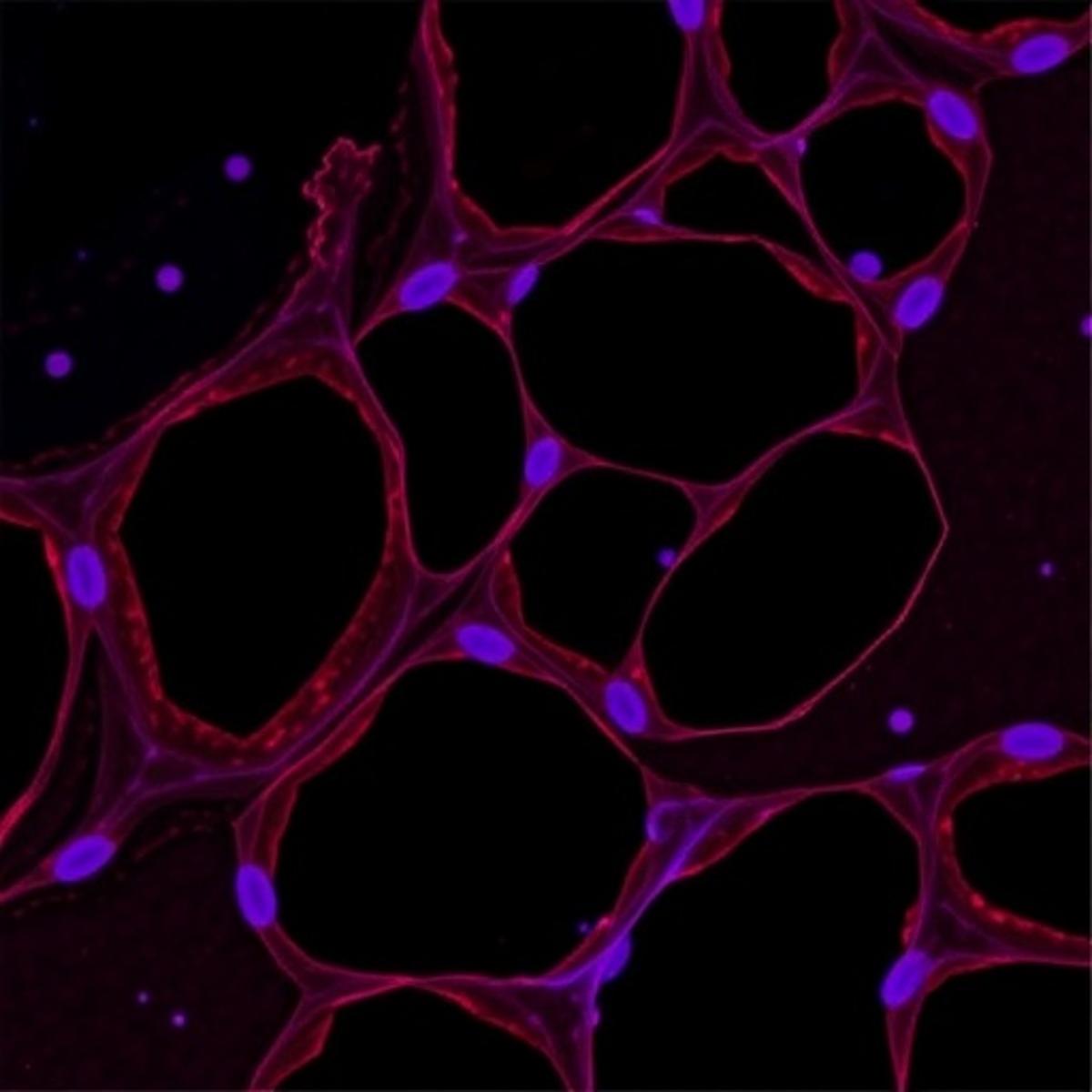
Researchers have identified the long non‑coding RNA PVT1 as a key regulator of endothelial function in deep vein thrombosis (DVT). In patient‑derived vein samples, PVT1 expression is markedly elevated, correlating with reduced nitric oxide bioavailability and heightened inflammatory signaling. In...

Environmental Exposome’s Role in Heart Failure Risk
A new nationwide study finds that cumulative environmental exposures—collectively known as the exposome—significantly raise the risk of heart failure. By integrating air‑pollution data, chemical toxin records, and lifestyle factors with electronic health records of over 1.2 million patients, researchers quantified a...

Peptide Protects Dopaminergic Neurons in Parkinson’s Model
Researchers led by Choe have demonstrated that a nine‑amino‑acid peptide derived from the plant protein osmotin can protect dopaminergic neurons in a mouse model of Parkinson's disease. The peptide attenuated α‑synuclein‑ and MPTP‑induced glial activation, reducing neuroinflammatory cytokine levels. Histological...

Energy Devices for Acne in Skin of Color
Energy‑based devices such as lasers, intense pulsed light (IPL) and radio‑frequency are increasingly used to treat acne in patients with darker skin tones. Recent clinical trials show that long‑pulse Nd:YAG lasers and low‑fluence fractional lasers reduce inflammatory lesions while minimizing...

3D Printed Polymers Mimic Atherosclerotic Blood Vessels’ Properties
Researchers have created 3D‑printed polymers that accurately mimic the mechanical behavior of atherosclerotic blood vessels, addressing a long‑standing gap in surgical training models. By integrating UV‑induced and hydrolysis‑induced degradation, the materials can evolve from healthy‑like compliance to plaque‑like brittleness, offering...

Zonal Endothelial Cell Diversity Drives Renal Vascular Growth
Researchers have uncovered that endothelial cells in the kidney exhibit distinct zonal identities, each contributing uniquely to renal vascular growth. Using single‑cell RNA sequencing, the team mapped spatially resolved endothelial subpopulations and identified zone‑specific signaling pathways that promote angiogenesis. Functional...

Exploring CDPK Genes in Liriodendron Chinense Under Stress
Researchers have catalogued the calcium‑dependent protein kinase (CDPK) gene family in Liriodendron chinense, a prized ornamental and timber species. Twelve CDPK genes were identified, and transcriptomic profiling showed distinct up‑regulation under drought, salinity, and cold stress. Promoter analyses uncovered multiple...

Opioid Treatment’s Effects on Jail Mental Health Services
A growing number of correctional facilities are integrating opioid agonist treatment (OAT) into their mental health services, aiming to curb overdose deaths and improve psychiatric outcomes among inmates. Recent pilot programs report a 30% drop in emergency psychiatric visits and...

Support for FDA Action on Menopausal Hormone Therapy
The U.S. Food and Drug Administration announced a new regulatory push targeting menopausal hormone therapy (MHT), proposing stricter labeling requirements and heightened post‑market surveillance. The agency highlighted recent safety data linking certain formulations to increased cardiovascular and breast cancer risks,...

Glass Transition and Water Activity Impact Grain Powder Flow
Recent research reveals that the glass transition temperature of grain powders is strongly influenced by water activity. Lower moisture levels raise the glass transition point, resulting in a more rigid, less cohesive powder structure. This shift improves flowability, reducing blockages...

Gender Disparities in Statin Use Among HIV Patients
A recent cohort study of over 12,000 people living with HIV revealed a pronounced gender gap in cardiovascular preventive care. Women were 30% less likely to be prescribed statins than men, even after adjusting for age, lipid levels, and comorbidities....

New Regimen Boosts DLBCL Treatment: BTK Inhibitors, Rituximab, Lenalidomide
A Phase II multicenter trial introduced a three‑drug regimen—BTK inhibitor, rituximab, and lenalidomide—for relapsed/refractory diffuse large B‑cell lymphoma (DLBCL). The combination achieved a 78% overall response rate, with 45% complete remissions and a median progression‑free survival of 24 months. Safety...
Impaired Vasculogenesis in Stem Cells From SCI Patients
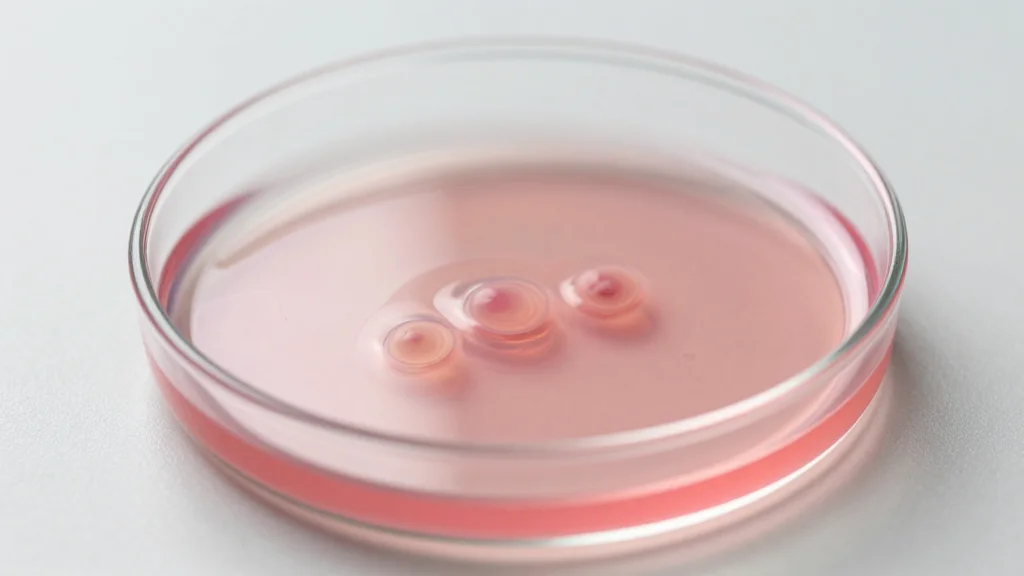
The study published in *Angiogenesis* examined adipose‑derived stem cells (ADSCs) from chronic spinal cord injury (SCI) patients and found they possess markedly impaired vasculogenic capacity compared with healthy donor cells. In vitro assays revealed deficient capillary‑like network formation, linked to...

NT-proBNP Predicts Ventricular Arrhythmias in Non-Compaction
A recent clinical study found that plasma NT‑proBNP levels reliably predict ventricular arrhythmias in patients with left ventricular non‑compaction (LVNC). Researchers measured NT‑proBNP in 120 LVNC patients and identified a 300 pg/mL threshold that separated high‑risk from low‑risk individuals. The association...
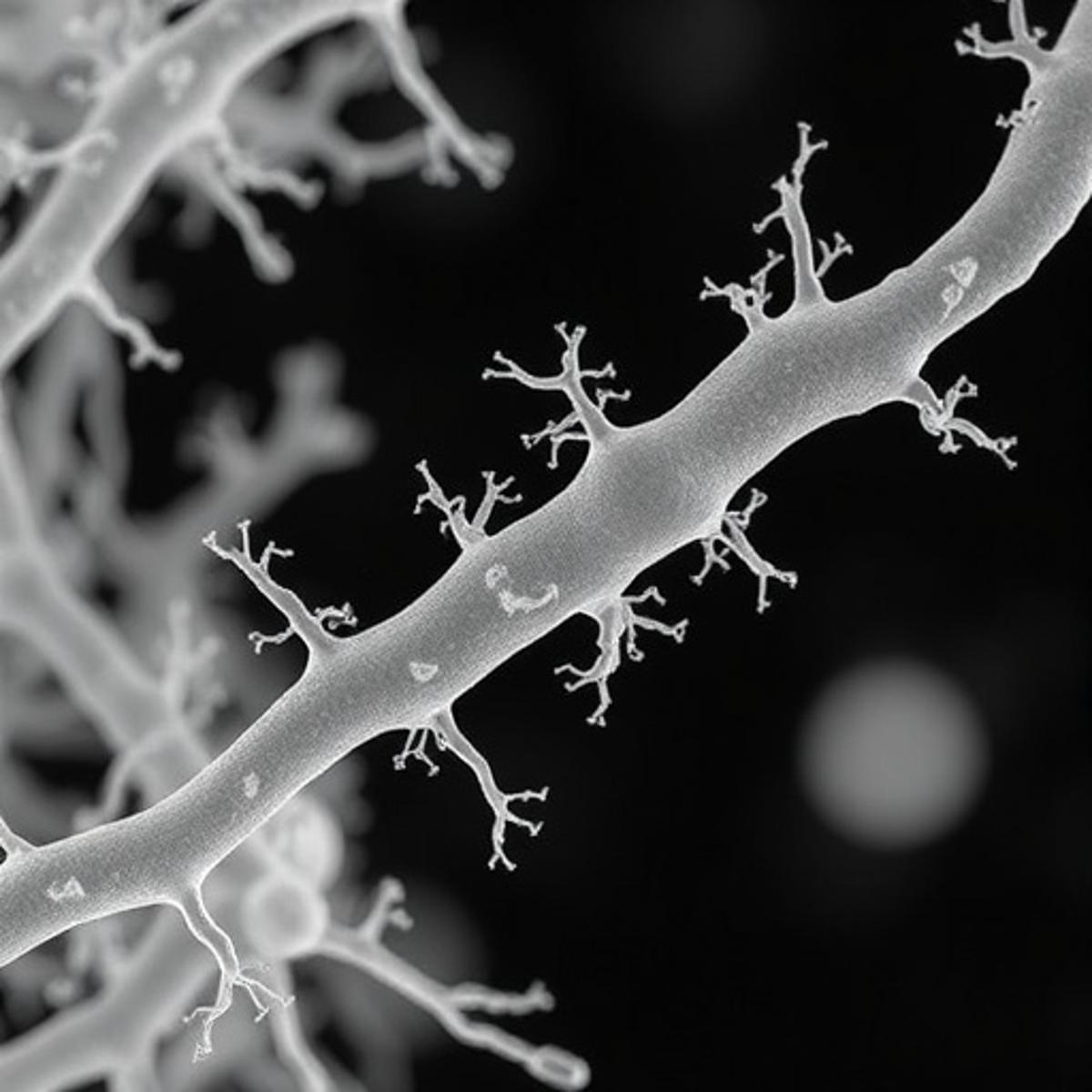
Revolutionizing Corynebacterium Diphtheriae Strain Classification
A consortium of microbiologists has introduced a whole‑genome sequencing framework that overhauls the classification of Corynebacterium diphtheriae strains. The new system groups isolates into five phylogenetically distinct clades, replacing the legacy serotype scheme that has been in use for decades....

Streptococcus Agalactiae and L-Carnitine in Endometriosis
Researchers have identified a link between the pelvic bacterium Streptococcus agalactiae and heightened severity of endometriosis lesions. In parallel, L‑carnitine supplementation was shown to dampen inflammatory pathways and shrink lesions in pre‑clinical models. Combined antibiotic clearance of S. agalactiae and...

COVID-19 Policies and Unmet Medical Needs in Nigeria
Nigeria’s COVID-19 response has unintentionally widened gaps in essential health services, leaving millions with unmet medical needs. Stringent lockdowns curtailed outpatient visits, while vaccine distribution lagged behind regional targets. The strain on public hospitals has forced patients to seek costly...
Uncovering Early Signs of Celiac Disease in Adults
Researchers led by Cohen, Nemet, and Kirzhner conducted a large‑scale retrospective cohort study that identified subtle laboratory and clinical precursors of celiac disease in young adults. Elevated gluten‑specific antibodies and non‑specific symptoms such as fatigue, mood disturbances, and mild gastrointestinal...

Exploring Immune Cell Dynamics in Aplastic Anaemia
A recent study applied single‑cell RNA sequencing to bone‑marrow samples from aplastic anaemia patients, revealing a complex immune landscape that drives marrow failure. The analysis identified expanded cytotoxic CD8⁺ T cells, a marked reduction in regulatory T cells, and clonal...

AKT1 Epigenetics Drive Metabolic Shift in Lipedema
Researchers have uncovered that epigenetic modifications of the AKT1 gene drive a metabolic shift in lipedema‑affected adipose tissue. DNA methylation and histone acetylation patterns increase AKT1 activity, prompting enhanced glycolysis and lipid accumulation. The study links this molecular change to...

Benchmarking Polygenic Scores with PGS-Hub Platform
The PGS‑hub platform was launched to provide a standardized, open‑source environment for benchmarking polygenic risk scores across diverse cohorts. It aggregates over 200 GWAS summary statistics, offers reproducible pipelines, and integrates cloud‑based compute resources. Early adopters report faster validation cycles...
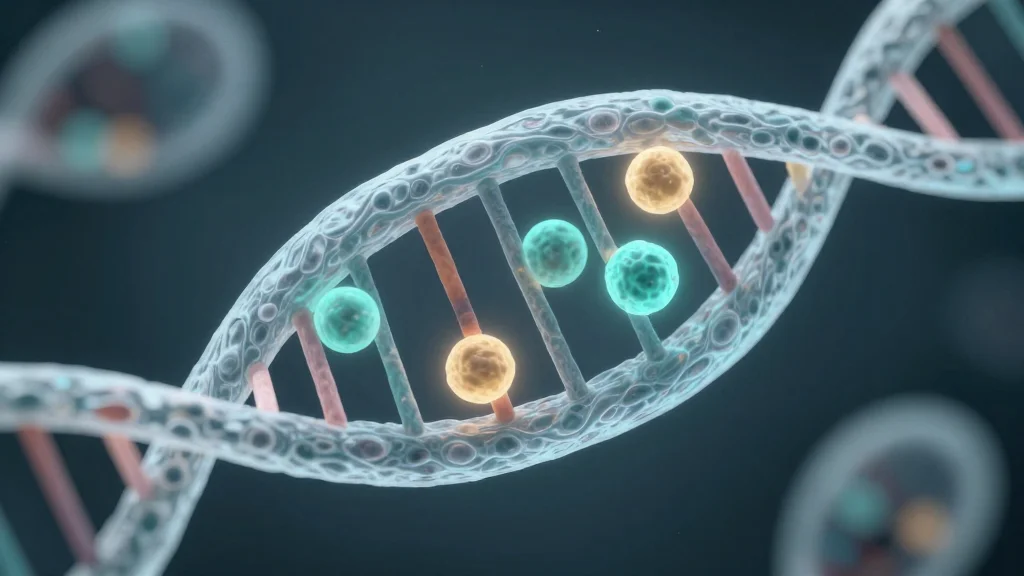
Epigenetic Changes in Acute Promyelocytic Leukemia Uncovered
Researchers led by Zhong, Cordeddu and Gamboa‑Cedeno have produced the first comprehensive epigenomic map of acute promyelocytic leukemia (APL), pinpointing disease‑specific deregulation of enhancers, transposable elements and Polycomb‑targeted genes. The study shows how mis‑wired enhancer networks, activated transposons and silenced...

CT Angiography Vs. Duplex: Evaluating Carotid Stenosis Flow
A recent study published in 3D Print Med compared CT angiography with duplex sonography using a hemodynamic phantom that simulates carotid stenosis. The research demonstrated that CT angiography delivers high‑resolution three‑dimensional anatomical detail, whereas duplex sonography excels at real‑time blood‑flow measurement. Discrepancies between...

Mineral Supplements and Insulin Resistance in PCOS: Meta-Analysis
A new meta‑analysis of 12 randomized controlled trials involving 1,045 women with polycystic ovary syndrome evaluated the effect of mineral supplementation on insulin resistance. The pooled data showed that magnesium supplementation reduced HOMA‑IR by an average of 0.48 units (p < 0.01),...

Proteoglycans: Key Players in Vascular Development
Proteoglycans, the carbohydrate‑rich components of the extracellular matrix, have emerged as central regulators of vascular development. Recent studies demonstrate that heparan sulfate chains on proteoglycans bind and present angiogenic growth factors such as VEGF and FGF, directing endothelial cell proliferation...
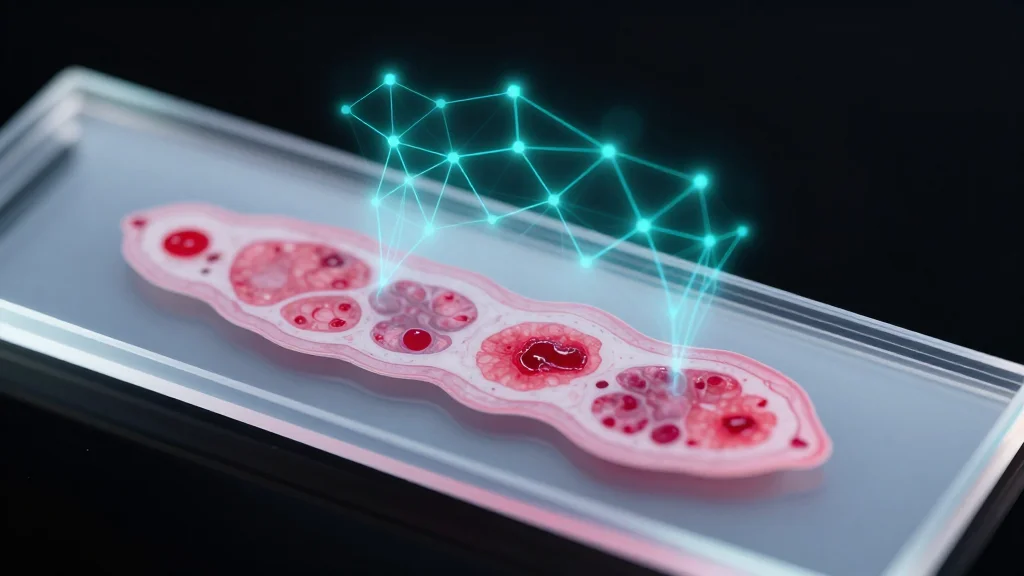
AI Reveals Prognostic Insights in Colorectal Cancer
Researchers have created an AI model that automatically quantifies the tumor‑stroma ratio (TSR) in colorectal cancer histology slides. The study demonstrates that a high TSR predicts poorer patient outcomes and uncovers stromal‑driven immune evasion. Validation across diverse international cohorts confirms...
New Biomarkers in Anti-TIF1-Γ Dermatomyositis Cancer Risk
A new study by Koumprentziotis et al. identifies anti‑TIF1‑γ antibodies as a powerful biomarker for cancer risk in patients with dermatomyositis. The research shows a markedly higher prevalence of malignancies among anti‑TIF1‑γ‑positive individuals compared with antibody‑negative counterparts. By integrating serological testing...

Childcare Evolution: Life History Insights From Brazil, Russia, USA
A new cross‑cultural study by Semenova, Figueredo and Tokumaru applies life‑history theory to childcare practices in Brazil, Russia and the United States. It shows how resource scarcity, historical legacies and achievement‑driven cultures shape distinct parenting styles—from Brazil’s collective kin networks...

Epigenome Study Links DNA Methylation to Cancer Survivors’ Heart Risk
A new epigenome-wide association study has identified distinct DNA‑methylation patterns that correlate with heightened cardiovascular risk among cancer survivors. Researchers examined over 5,000 individuals who had completed chemotherapy or radiation, pinpointing several CpG sites linked to arterial inflammation and plaque...