
Poll: U.S. Voters Want PBM and Insurance Reform—And Strong Biotech
A new Biotechnology Innovation Organization poll of 1,000 U.S. voters shows eight in ten would back leaders who lower drug costs by reforming pharmacy‑benefit managers, insurers, and the 340B program. Across party lines, 88% support passing PBM rebates directly to consumers, cutting co‑pays and eliminating wasteful mark‑ups. Insurance expenses rank as the third‑largest monthly household cost after housing and groceries, while 90% want a strong domestic biotech sector to ensure access to cutting‑edge medicines. The findings cast doubt on the appeal of Most Favored Nation legislation, which many voters view as insufficient for real affordability.

SBIR Reauthorization, a Top BIO Priority, Is Passed by Congress
Congress passed the reauthorization of the Small Business Innovation Research (SBIR) and Small Business Technology Transfer (STTR) programs on March 17, securing five more years of federal seed funding for biotech startups. The bipartisan House vote was 345‑41 after a...

BIO on the American Road in Puerto Rico: ‘Medicine Cabinet’ Ready to Reshore
BIO President John F. Crowley toured Puerto Rico in March, highlighting the island’s role as “America’s Medicine Cabinet.” The territory already ships nearly one‑fifth of U.S. drug exports and accounts for about 30% of its GDP. Recent announcements from Amgen...

BIG Summit Panel Breaks Down Risks and Opportunities Coming Out of DC
At the inaugural BIO BIG Summit, a Washington Policy Brief panel dissected the shifting U.S. healthcare landscape for biotech. The discussion highlighted progress on reauthorizing the Prescription Drug User Fee Act (PDUFA) and emerging pharmacy benefit manager (PBM) reforms, while...

The Hidden Layer of PBMs: What a Recent Investigation Reveals
A recent Hunterbrook Media investigation uncovered a hidden layer of pharmacy benefit manager (PBM)‑affiliated group purchasing organizations (GPOs) that channel billions of dollars while maintaining minimal staff and opaque operations. The report shows the three largest PBMs, which already control...

BIO Patient Advocacy Coffee Chat: Act Now to Be Heard on CMS Drug Pricing
The Centers for Medicare & Medicaid Services entered the third year of its Medicare drug price negotiation program, selecting 15 drugs—including, for the first time, therapies covered under Medicare Part B. Patient advocacy groups have until March 1 to submit written comments...

Music Beats Cancer Aims to Bring Everyone to the Stage
Music Beats Cancer, a nonprofit founded by former cancer researcher Mona Jhaveri, uses live music and a peer‑to‑peer platform to funnel public donations directly to early‑stage biotech firms tackling cancer. By turning song likes into dollars, the organization bridges the...

The BIG Summit Meets at the Intersection of Patient Advocacy and Venture Investment
At the BIO Investor Growth (BIG) Summit, IBD Ventures’ associate director Nicole Schwerbrock discussed how venture philanthropy and patient advocacy are reshaping investment in inflammatory bowel disease (IBD) research. She explained that patient‑driven funding models complement traditional venture capital by...

NIH Director Says No Studies Link Vaccines and Autism, Outlines Modernization
NIH Director Jay Bhattacharya told the Senate HELP Committee that no scientific study links any vaccine to autism, reaffirming the consensus after senators raised vaccine‑safety concerns. He used the hearing to unveil a modernization agenda that includes centralizing peer review,...
BIO Tells Congress How to Maintain US Biotech Leadership
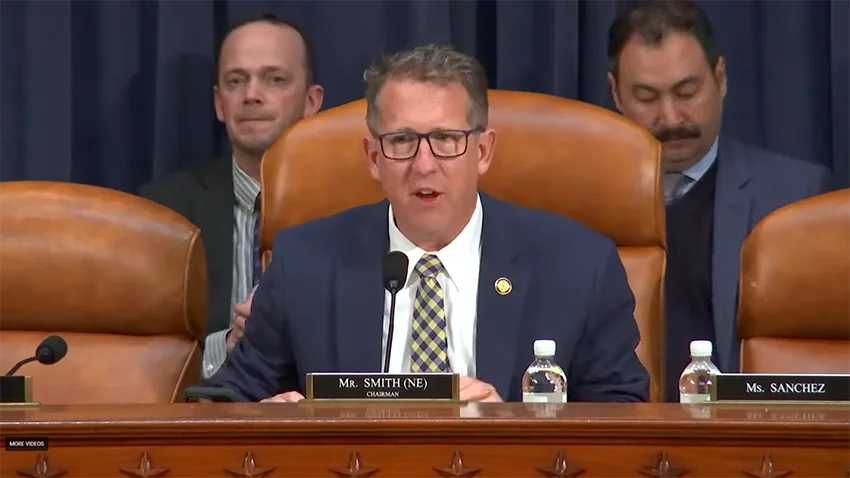
BIO submitted a statement to the House Ways & Means Trade Subcommittee urging Congress to adopt policies that preserve U.S. biotech leadership. The organization highlighted the sector’s explosive growth, projecting a $4.25 trillion global market by 2033, and called for expanded...

Program Harnesses the Power of Mentorship for Patient Organization Leaders
The Milken Institute’s FasterCures LeadersLink program, launched in 2020, provides mentorship, peer learning, and capstone projects for emerging leaders of patient advocacy organizations that fund or conduct biomedical research. The cohort‑based model connects mentees with seasoned executives, fostering strategic reflection...

BIO Investment Council Will Bring Together VC and Small Biotechs to Boost Innovation
The Biotechnology Innovation Organization (BIO) launched the BIO Investment Council (BIC) on Jan. 7 to bridge venture capital and small‑to‑mid‑size biotech firms. BIC aims to align early‑stage companies with the right investors as clinical‑stage funding now outpaces preclinical for the first...

BIO Warns of Risks From Change to CDC’s Vaccine Recommendations
The U.S. Centers for Disease Control and Prevention announced it will now recommend only 11 of the 17 childhood vaccines it previously endorsed, moving six vaccines to a high‑risk or provider‑consultation model. The Biotechnology Innovation Organization (BIO) condemned the shift...

Using AI In Patent Practice: Practical and Ethical Issues
At the BIO International Convention’s IP Counsels Committee panel, experts outlined how AI is reshaping patent practice. They classified tools into traditional, generative, and patent‑specific solutions, stressing secure enterprise versions for confidential data. Ethical pitfalls—including AI hallucinations and potential public...

BIO IP Conference Looks at Academics and Perceptions of IP
The BIO IP Counsel Committee Conference addressed growing skepticism toward patents in biopharma, amplified by pandemic‑era messaging that frames IP as a barrier to care. Panelists argued that patents remain vital incentives for costly research and development, despite public concerns...

Patient Advocates Urge Action on PPRV to Help Fight Rare Disease
Patient advocates at BIO’s December Coffee Chat urged Congress to reauthorize the Pediatric Priority Review Voucher (PPRV) program before year‑end. The voucher scheme, which expired in 2024, has awarded 63 vouchers for 47 rare pediatric diseases, turning four treated conditions...

Who Invented What? BIO IP Panel Tackles Joint Inventorship
The BIO IP panel highlighted that joint inventorship is now the norm in biotech, replacing the lone‑inventor myth. It outlined the legal elements—conception, collaboration, corroboration—and illustrated them with real and hypothetical cases, including AI‑driven research. Panelists warned that mis‑attributing inventors...

Bayh-Dole at 45: Still an Engine for Innovation
The Bayh‑Dole Act, celebrating its 45th anniversary, has turned federally funded university research into a powerhouse of commercial innovation. Between 1996 and 2020 it generated up to $1.9 trillion in economic output, created 6.5 million jobs and spurred 19,000 startups, resulting in...

House Passes BIO-Backed Legislation to Increase Access to Capital
The U.S. House of Representatives approved the Incentivizing New Ventures and Economic Strength Through Capital Formation (INVEST) Act on Dec. 11, passing it 302‑123 with bipartisan support. The legislation, championed by BIO, aims to remove regulatory hurdles and expand capital access...

Charlotte Emerging as a Global Leader in Health Care Innovation and Med Tech
Charlotte, long known as a U.S. financial hub, has launched The Pearl—a $75 million health‑care innovation district—in midtown in June 2025. The campus brings together IRCAD North America, Wake Forest University School of Medicine, global med‑tech firms, startup labs, and an AI‑driven clinical‑trial...