
Sanofi Defends Dupixent Patents, but Execs Insist It Has Nothing to Do with CEO Change
Sanofi’s interim leadership used its Q1 earnings call to reaffirm a robust patent shield for Dupixent, extending protection through 2045 despite the drug’s looming loss of exclusivity. The biologic delivered $4.9 billion in quarterly sales, a 31% increase, and remains the company’s top seller. Executives stressed that the recent CEO departure has no bearing on the patent strategy, even as Regeneron’s cost‑sharing will phase out by 2027. New products contributed $1.4 billion, lifting total revenue to $13.9 billion.

Unnamed Pharma Files Citizen Petition Targeting FDA’s Trove of Rejection Letters
An unnamed pharmaceutical firm has lodged a citizen petition urging the FDA to halt its new practice of automatically publishing complete response letters (CRLs). The petition seeks a 10‑day notice period for sponsors to contest disclosure and a clear redaction...

Roche Insists Amylin Obesity Drug Still Valuable for Patients Who ‘Don’t Want Side Effects’
Roche defended its amylin‑based obesity drug petrelintide after Phase 2 ZUPREME‑1 data showed a 9% placebo‑adjusted weight loss over 42 weeks, falling short of analyst expectations of 12% and the 16% seen with Eli Lilly’s eloralintide. The study highlighted petrelintide’s strong tolerability,...

AAN 2026: J&J, Kyverna, Capricor and Praxis Showcase Practice-Changing Data
At the 2026 American Academy of Neurology meeting, Johnson & Johnson reported two‑year Phase 3 data showing its FcRn blocker Imaavy sustained symptom improvement and allowed most patients to cut corticosteroid use. Kyverna Therapeutics presented Phase 2 results for its CAR‑T therapy...
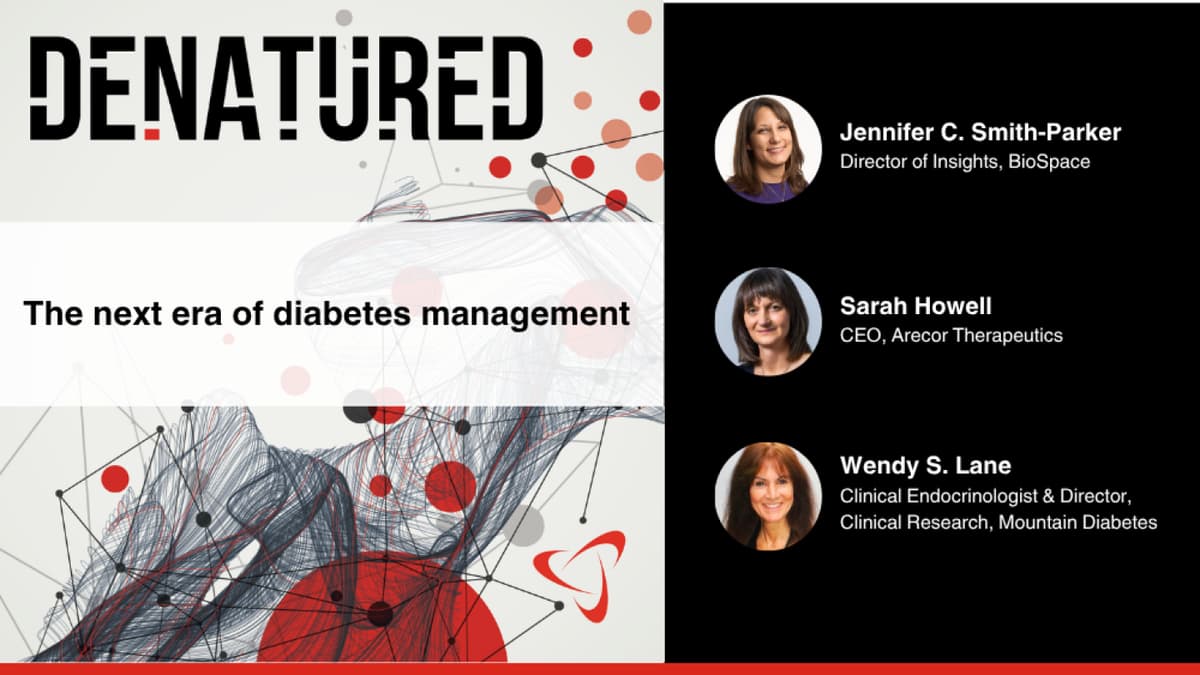
The Next Era of Diabetes Management
BioSpace’s Denatured podcast released an episode on April 23, 2026 featuring Dr. Sarah Howell, CEO of Arecor Therapeutics, and Dr. Wendy Lane, an endocrinologist. The conversation centers on how increasingly connected, data‑driven diabetes technologies are shifting the industry’s focus from merely tracking...

Life Sciences Still Falls Short on Pay Equity
The BioSpace 2026 U.S. Life Sciences Salary Report shows gender and racial/ethnic pay gaps remain entrenched in the industry. Female professionals earned 88% of male total compensation in 2025, while white/non‑Hispanic workers averaged $203,287, outpacing all other groups. Industry leaders...
Lilly, Novo Dip as Proposed Medicare Coverage for GLP-1 Pilot Thrown Off Balance
The Centers for Medicare & Medicaid Services (CMS) has indefinitely postponed its BALANCE financing model, a pilot intended to expand Medicare coverage for GLP‑1 obesity drugs. The delay triggered a roughly 2% drop in Eli Lilly’s share price and a 4%...
Amid US Ordeal, Moderna Wins EU Approval for Flu/COVID-19 Combo Shot
Moderna received European Commission approval for its mCOMBRIAX vaccine, a combined flu and COVID‑19 shot targeting adults 50 and older across all 27 EU members plus Iceland, Liechtenstein and Norway. The combo pairs Moderna’s next‑generation COVID vaccine mNEXSPIKE with the...
Merck Steps up as 'Meaningful Competitor' To Gilead with HIV Pill Approval
Merck received FDA approval for Idvynso, a once‑daily, single‑pill regimen for virologically suppressed HIV‑1 adults, slated for U.S. launch on May 11, 2026. The drug demonstrated non‑inferior viral suppression versus continued Biktarvy use in two pivotal trials. Analysts see Idvynso...
The 5 Largest IPOs in Biopharma History
Biopharma’s IPO market rebounded in early 2026, highlighted by Kailera Therapeutics’ $625 million debut—the largest ever in the sector. The record‑breaking offering eclipsed previous giants such as Moderna’s $604 million 2018 IPO and Sana’s $587.5 million 2021 float. The surge reflects renewed investor...
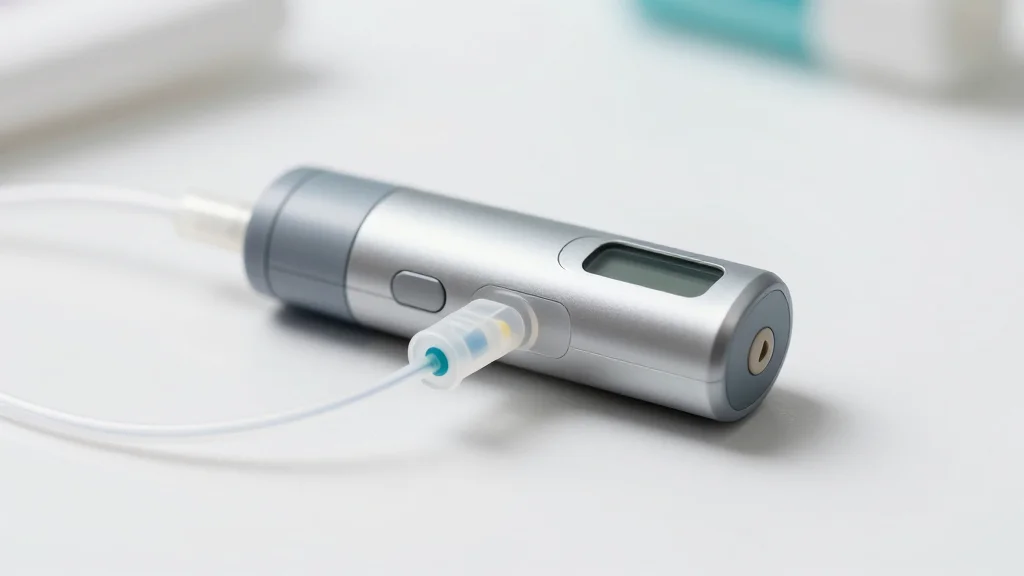
The Next Phase of Diabetes Care
Diabetes technology is advancing rapidly, with smarter algorithms, longer‑wear sensors, and smaller pumps reshaping care. Automated insulin delivery systems now pair continuous glucose monitors with ultra‑rapid, ultra‑concentrated insulin, offering tighter glucose control. Adoption remains limited—only about 40% of type 1 and...
Tortugas Takes Neuro Deep Dive with $106M to Develop Eisai, Hansoh Programs
Tortugas, a Massachusetts‑based biotech, launched with $106 million in seed and Series A funding, securing clinical assets from Japan’s Eisai and China’s Hansoh Pharmaceutical. The capital will support two mid‑stage, oral small‑molecule trials targeting CNS disorders such as schizophrenia, tinnitus, and focal...
Merck, Eisai’s Keytruda Triplet Fails to Improve Survival in Kidney Cancer
Merck and Eisai announced that their Phase 3 LITESPARK‑012 trial of a three‑drug regimen—Keytruda, Welireg and Lenvima—failed to improve overall survival or progression‑free survival in first‑line renal cell carcinoma. The control arm received the approved Keytruda‑Lenvima doublet, which also did not...
Viatris Recalls Extended-Release Xanax over Dissolution Test Failure
Viatris has issued a Class II recall of a single batch of its extended‑release Xanax (Xanax XR) after dissolution testing showed the tablets did not meet release specifications. The affected bottles, each containing 60 3‑mg tablets, were manufactured in Ireland and are being...
Biotech Has Become a Good News Story. Let the Sun Shine
Biotech is back in the spotlight as Revolution Medicines reported a Phase 3 trial that doubled survival for patients with advanced pancreatic cancer, a disease with a historically low five‑year survival rate. In March, Denali Therapeutics earned the first FDA approval...

Lilly Adds Gene Delivery Technology to CAR T in up to $7B Kelonia Deal
Eli Lilly announced an up‑to $7 billion acquisition of Kelonia Therapeutics, securing its Phase 1 lentiviral in‑vivo CAR‑T candidate KLN‑1010 and the iGPS gene‑delivery platform. iGPS uses lentiviral particles to program a patient’s own T‑cells, potentially eliminating ex‑vivo manufacturing and pre‑treatment chemotherapy. The deal...
Agenus Cancer Cocktail Records 0% Response Rate, Missing Midstage Goal
Agenus and its spin‑out MiNK Therapeutics reported a zero percent overall response rate in a Phase 2 trial of a three‑drug cocktail for advanced gastroesophageal adenocarcinoma. The regimen combined two experimental immunotherapies, botensilimab and balstilimab, with MiNK’s allogeneic iNKT cell therapy...
Novo’s Late-Stage Sickle Cell Win Piles Pressure on Competitors
Novo Nordisk reported that its oral pyruvate kinase‑R activator etavopivat reduced vaso‑occlusive crises by 27% in the Phase 3 HIBISCUS trial and more than doubled hemoglobin response rates versus placebo. The data support a regulatory filing slated for the second half...
Merck’s Early PD-1/VEGF Data Competitive in Lung Cancer, but Summit ‘Looms Large’
Merck’s anti‑PD‑1/VEGF bispecific MK‑2010 posted a 55% overall response rate in treatment‑naïve non‑small cell lung cancer (NSCLC) and a 44% response in later‑line patients, figures that rival the current leader, Summit/Akeso’s ivonescimab. The data were presented at the AACR meeting,...

From Product to Patient in Nuclear Medicine: Why Vertical Integration Is Essential for a Competitive Advantage
Nuclear medicine’s ultra‑short radiopharmaceutical half‑lives make delivery inseparable from production, forcing a single, time‑bound operational system. Curium has built a globally integrated model that combines isotope manufacturing, quality release, and distribution into one coordinated network. The approach proved its resilience...
Lilly’s Foundayo Reaches 1,390 Patients in First Week, Trailing Novo’s Oral Wegovy Launch
Eli Lilly’s newly approved oral obesity drug Foundayo recorded 1,390 prescriptions in its first two days, a modest start compared with Novo Nordisk’s oral Wegovy, which logged over 3,000 patients in its inaugural week. RBC Capital Markets noted the timing difference—Foundayo launched...
RFK Jr. Defends Makary, Claims Pharma ‘Owns’ Congress and Media
Health Secretary Robert F. Kennedy Jr. defended FDA Commissioner Marty Makary during a Ways and Means Committee hearing, praising the agency’s recent drug‑approval record and rejecting criticism from the pharmaceutical industry. He highlighted the FDA’s decision to reject Replimune’s oncolytic...
Novo May Have Muscle Advantage over Lilly in Weight-Loss Race: Preprint
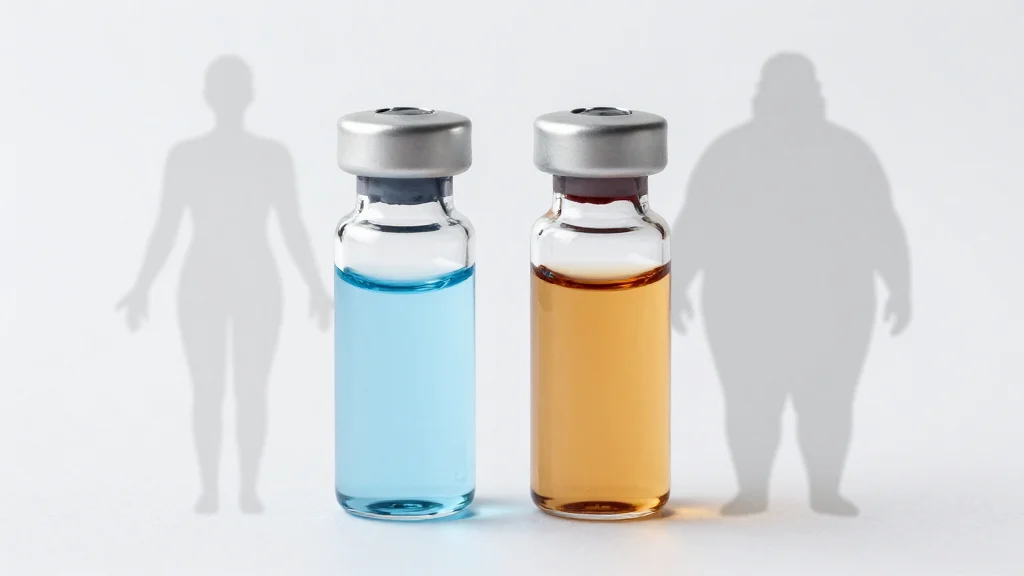
A new medRxiv pre‑print analyzing nearly 8,000 GLP‑1 patients finds Novo Nordisk’s semaglutide preserves lean body mass better than Eli Lilly’s tirzepatide, despite the latter delivering greater overall weight loss. In the first year, 6.7% of semaglutide users fell into a...

Replimune Cries Foul on Regulatory Flexibility. But Many Americans Want a Stricter FDA
The FDA rejected Replimune’s RP1 melanoma combination therapy twice, citing patient‑population heterogeneity that it says undermines efficacy interpretation. The biotech’s CEO decried the agency’s lack of regulatory flexibility, while a Politico poll revealed most Americans prefer a slower, more rigorous...

Merck’s PD-1/VEGF Data Star in Stacked Lineup of AACR ‘26 Data Reveals
Merck will unveil early clinical data on MK‑2010, a PD‑1/VEGF bispecific antibody it licensed from LaNova for $588 million, at the AACR 2026 meeting. The readout will test Merck’s ability to compete with ivonescimab and other emerging bispecifics from Pfizer/BioNTech and BMS....

Funding the Future of European Biotech
In a BioSpace Insights “Denatured” podcast, host Jennifer C. Smith‑Parker talks with Edoardo Negroni of AurorA‑TT and Naveed Siddiqi of Novo Holdings about Europe’s world‑class biotech science and the venture ecosystem needed to commercialize it. The guests argue that Europe’s research...

MeiraGTx, Spying Hope in a Failed Trial, Buys Back Eye Disease Gene Therapy From J&J
MeiraGTx announced it will reacquire the rights to its X‑linked retinitis pigmentosa gene‑therapy candidate bota‑vec from Johnson & Johnson for an upfront $25 million. Although the Phase 3 LUMEOS trial missed its primary visual‑guided mobility endpoint, the study demonstrated improvements in visual...
Biopharmas Pull Back on Layoffs in Q1
Biopharma layoff activity slowed in Q1 2026, with only 35 companies announcing cuts versus 74 a year earlier. Despite fewer firms cutting staff, the total number of workers affected rose to 6,593, driven largely by Viatris’ plan to shed up...
Whitepaper: CDMOs at a Crossroads
The contract development and manufacturing organization (CDMO) sector is undergoing a rapid transformation as pharma and biotech firms chase end‑to‑end solutions for biologics, cell and gene therapies. Demand for specialized partnerships is rising alongside U.S. policies that encourage domestic production....

BMS Makes a Beeline, Bringing 5 Assets to Biotech's $300M Precision Immunology Debut
Bristol Myers Squibb has spun out a new biotech, Beeline Medicines, backed by $300 million from Bain Capital and an initial portfolio of five assets. The company, led by former SpringWorks CEO Saqib Islam, will focus on precision therapies for autoimmune...

Takeda Continues to Prune Partnerships, Cuts Ties with mRNA-Targeting Veritas In Silico
Takeda announced the termination of its three‑year partnership with Veritas In Silico, a collaboration focused on small‑molecule drugs that target mRNA. The split, confirmed on April 13, follows a recent wave of collaborator cuts, including a break with Denali Therapeutics and...
J&J Targets $100B Revenue, Replimune Rebuffed Again and a “Revolution” In Pancreatic Cancer
Johnson & Johnson reported $24.1 billion in first‑quarter sales and set an ambitious $100 billion revenue target for 2026, underscoring its aggressive growth strategy amid a wave of biotech M&A. Replimune’s advanced melanoma therapy RP1 was denied again, with the FDA insisting...

Could Biotech Layoffs Push Life Sciences Talent to Go Global?
Biotech firms are trimming staff amid a funding slowdown, but the layoffs are prompting a global reshuffling of life‑sciences talent. Major U.S. hubs like Boston see cuts, while the UK, Canada, France, Switzerland and Singapore roll out visa pathways and...
5 Biopharma M&A Deals Where the Workforce Was the Prize
Recent biopharma mergers highlight that talent can be as valuable as assets. Gilead’s $5 billion purchase of Tubulis, Biogen’s $5.6 billion acquisition of Apellis, and AstraZeneca’s $2.4 billion buy of Fusion all emphasize acquiring specialized teams. Other deals, such as AstraZeneca’s $1.06 billion Amolyt...
Deep Dive: Checking in with the FDA
The FDA’s 2025 turmoil included a 3,500‑person workforce cut, multiple leadership turnovers, and a surge in guidance reversals that delayed drug reviews. In 2026, the agency declined to file Moderna’s mRNA‑1010 flu vaccine, contradicting earlier guidance, underscoring regulatory uncertainty. Despite...
FDA Bolsters Bespoke Therapy Framework with New Draft Safety Guidelines
The FDA’s Center for Biologics Evaluation and Research issued draft guidance to standardize safety assessments for genome‑editing therapies, covering both ex vivo and in vivo products that use next‑generation sequencing to detect off‑target effects. The recommendations target nonclinical studies supporting IND and...

50 Employees Impacted as Astellas Closes Universal Cells' Seattle Office
Tokyo‑based Astellas Pharma announced the closure of Universal Cells' Seattle office, affecting 50 employees. A handful of staff will be transferred to Astellas’ research sites in South San Francisco and Westborough, while the remainder face layoffs in waves from July...

Bonus: Q1 2026 Job Market Update
BioSpace’s Vice President of Marketing Chantal Dresner and Careers Editor Angela Gabriel released a bonus podcast analyzing Q1 2026 job‑market performance in the life‑sciences sector. Their discussion highlights a noticeable dip in layoffs across biotech, pharma and med‑tech firms between January...
Lilly Investing Billions to Prepare for Overseas Oral GLP-1 Launches
Eli Lilly announced a $3 billion investment in China and a $125 million spend in Japan to build capacity for its newly approved oral GLP‑1 drug, orforglipron. The moves aim to localize production, shorten lead times and hedge against geopolitical disruptions. Analysts see...
Lilly Wants to Bridge Cancer Care Gap with $300M ADC Biotech Buy
Eli Lilly announced an acquisition of Houston‑based CrossBridge Bio, offering up to $300 million in cash and performance‑based biobucks. The early‑stage biotech is developing a dual‑payload antibody‑drug conjugate, CBB‑120, that targets the TROP2 protein found in many solid tumors. CrossBridge plans to...
Kailera Eyes Record $533M+ IPO to Play in Competitive Obesity Space with Chinese Drugs
Kailera Therapeutics announced an IPO that could raise up to $610 million, potentially the largest biotech debut in years. The company will sell 33 million shares at $14‑$16 each, with an underwriter option for an additional 5 million shares. Proceeds will augment a...

USP Adds Tamiflu, Trulicity to Vulnerable List as Upstream Analysis Reshapes Supply Concerns
The United States Pharmacopeia (USP) has refreshed its vulnerable medicines list, adding Tamiflu (oseltamivir) and Trulicity (dulaglutide) after expanding its risk assessment to include key starting materials (KSMs). The new analysis shows 48 of the 100 flagged drugs depend on...

Allogene Stock Sails After CAR T Clears Residual Lymphoma in Early Data Cut
Allogene Therapeutics reported interim results from its Phase 2 ALPHA3 trial showing its off‑the‑shelf CAR‑T product cema‑cel cleared measurable residual disease in 58.3% of patients versus 16.7% in the observation arm. The therapy also achieved a 97.7% drop in circulating tumor...

Revolution Rises 40% as Pancreatic Cancer Drug Doubles Survival
Revolution Medicines announced that its oral RAS inhibitor daraxonrasib doubled overall survival in patients with previously treated metastatic pancreatic ductal adenocarcinoma, achieving 13.2 months versus 6.7 months on chemotherapy. The Phase 3 RASolute 302 interim analysis was declared final, prompting the company...

Regeneron Enters Radiopharma Ring with up to $4.3B Telix Alliance
Regeneron Pharmaceuticals has struck a partnership with Australian biotech Telix, committing $40 million to launch four initial radiopharmaceutical programs and securing an option for four more. The deal splits development and commercialization costs and profits equally, while Telix stands to earn...

FDA’s CRL Transparency Policy Is Boosting Biopharma Accountability
More than a year after the FDA launched its radical transparency agenda, the agency has released over 200 complete response letters (CRLs) covering 2020‑2024 and added historic letters back to 2002. Public availability forces biotech firms to align their disclosures...
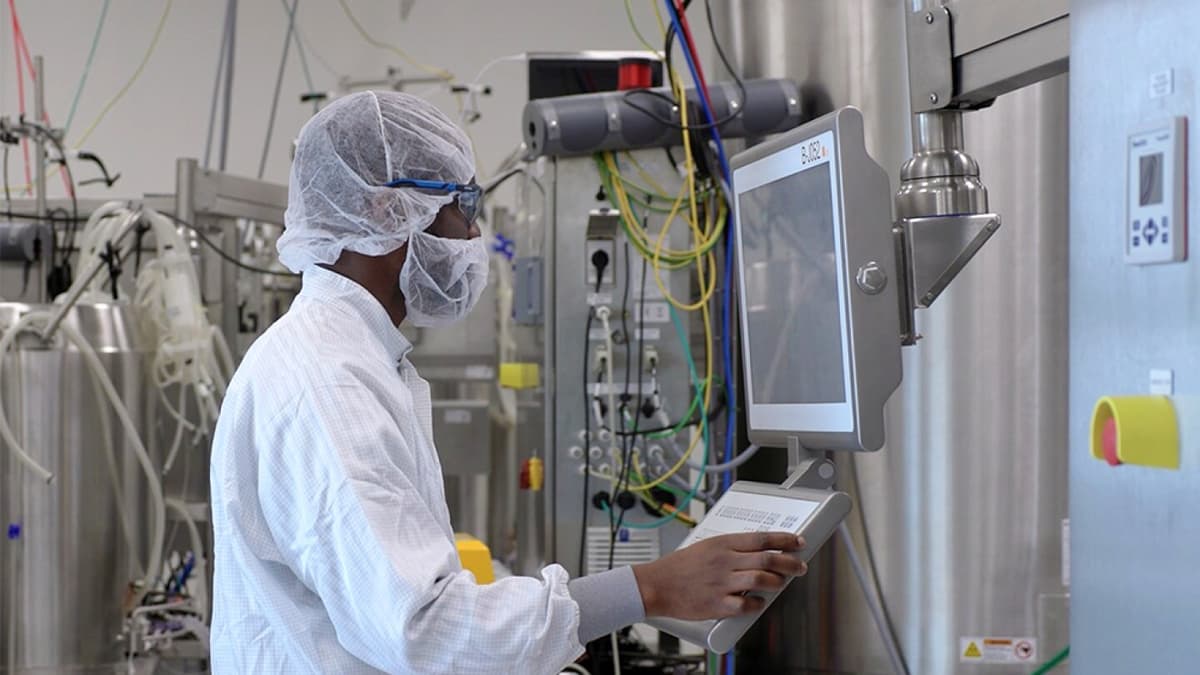
Your Scale, Your Terms: How Modular Bioreactors Are Redefining Capacity & Manufacturing Strategies
AGC Biologics is championing a scale‑out strategy that uses modular single‑use bioreactors instead of traditional stainless‑steel scale‑up. Its proprietary 6Pack System™ links up to six 2,000‑liter disposable reactors, delivering flexible capacities from 2 kL to 12 kL while preserving process parameters. The approach...
Replimune’s Advanced Melanoma Drug Rebuffed by FDA for Second Time
Replimune’s oncolytic immunotherapy RP1, aimed at unresectable advanced cutaneous melanoma, was rejected by the FDA for a second time on April 6, 2026. The agency’s complete response letter said the data, derived from a single‑arm trial, were insufficient to demonstrate substantial effectiveness,...
Opinion: For AI to Have Impact, the Industry Must Align on Data
Artificial intelligence is now embedded across biopharmaceutical R&D, highlighted by the FDA's adoption of the generative tool Elsa for drug‑approval reviews. Industry leaders, including Charles River Laboratories, warn that AI's promise hinges on the quality, metadata, and harmonization of the...

FDA Probes Abortion Pill Anew After Court Keeps Mail Access Alive
The FDA announced a renewed, accelerated safety study of the abortion pill mifepristone, aiming to complete the review faster than typical academic timelines. The move follows a Louisiana federal judge’s decision to temporarily allow the drug’s distribution by mail while...