

The Most Interesting Number in Tango’s Data Isn’t 92%
Biotech firm Tango reported a striking 92% response rate in its latest pancreatic cancer trial, a figure that dwarfs the single‑digit response rates historically seen in the disease. However, a deeper look at the data reveals that the most compelling metric is the median overall survival of 24 months, far surpassing the typical six‑month benchmark. The trial enrolled 150 patients across 12 U.S. sites, with less than 5% experiencing serious adverse events. The efficacy was driven primarily by a biomarker‑positive subgroup.

ASCO26 HARMONi6 Updated – Plaudits, Pitfalls, and Pratfalls
Akeso Bio presented updated interim results from its HARMONi‑6 trial at ASCO 2026, eight months after the initial ESMO data. The new dataset, with longer follow‑up, revealed a modest overall response rate and emerging safety signals that fell short of...

On KRAS Inhibitors and Why Potency Doesn’t Equal Durability
The latest ASCO data on second‑generation KRAS inhibitors reveal that higher potency does not automatically translate into longer patient responses. While first‑gen G12C agents such as sotorasib showed modest durability, new G12D compounds demonstrate improved binding but still face resistance...

Six ASCO Trials Decoded: Data, Gaps, and Implications
ASCO’s opening day was filled with superlatives, yet the real insight lies in a deeper look at six highlighted trials. Those trials deliver promising efficacy signals but expose gaps such as limited safety follow‑up, short‑term endpoints, and weak control arms....

Cat Amongst the Pigeons
Merck secured FDA approval for its antibody‑drug conjugate sacituzumab tirutecan (sac‑TMT) in advanced endometrial cancer, marking a rare ADC win in a solid‑tumor indication. The drug targets the Trop‑2 protein and delivers a potent cytotoxic payload, offering a new therapeutic...

Reflections on Potentially Practice Changing Trials
The ASCO 2026 abstract session lifts its embargo, unveiling what analysts call the richest slate of phase‑3 oncology trials in a decade. Several late‑stage studies are poised to deliver practice‑changing data that could redefine standards of care across multiple tumor...

Beyond the Dance: Eric Vivier on Rethinking the NK Cell Paradigm
Professor Eric Vivier, a leading NK‑cell immunologist, reflected on the rapid rise and recent stall of the NK‑cell therapy sector. After a wave of investor enthusiasm between 2017 and 2020, high‑profile setbacks in solid‑tumor trials and manufacturing bottlenecks have tempered...

Putting the Boat Out at ASGCT26
Recent oncology‑focused CAR‑T developers are redirecting pipelines toward autoimmune diseases after compelling proof‑of‑concept data in refractory systemic lupus erythematosus and lupus nephritis. The shift includes both autologous and allogeneic cell products as well as emerging in‑vivo RNA‑based therapies delivered via...

Late Line RCC: Where Darlifarnib Fits and Why LITESPARK-012 Matters
At the International Kidney Cancer Symposium, Kura presented phase 1 data showing its next‑generation farnesyl transferase inhibitor darlifarnib combined with cabozantinib achieved a 44% objective response rate in clear cell renal cell carcinoma patients previously treated with cabozantinib. The cohort was...

The Goalposts Shifted in Berlin, Your Trial Timeline Didn’t
The European Society for Medical Oncology (ESMO) Breast 2026 conference in Berlin showcased a wave of late‑stage breast cancer data that is reshaping therapeutic benchmarks. Several trials reported higher pathologic complete response rates and novel biomarker‑driven combinations, tightening the competitive...

Pointed Ironies: SERD Wars, ADC Hype, and What Really Works in Breast Cancer
The FDA rejected camizestrant at the ODAC meeting, while approving vepdegestrant a day later. AstraZeneca’s vepdegestrant leverages ctDNA to detect ESR1 mutations early, allowing a treatment switch while patients remain on a CDK4/6 inhibitor backbone. In contrast, Arvinas pursued a...

A Study in Regulatory Conservatism versus Clinical Innovation
At today’s ODAC meeting, the FDA will review AstraZeneca’s oral selective estrogen receptor degrader camizestrant for hormone‑receptor‑positive, HER2‑negative breast cancer with ESR1 mutations. Late‑stage data showed a 56% reduction in risk of disease progression and consistent safety, along with improved...
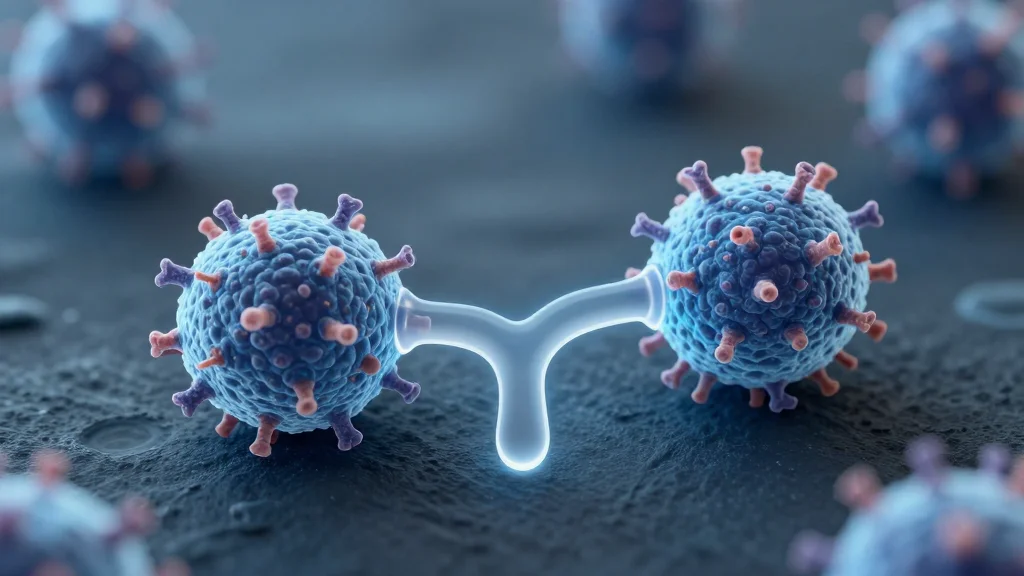
What Your CD3 T Cell Engager Is Missing
CD3 T‑cell engagers have become a cornerstone of bispecific immunotherapy, linking T cells to cancer cells via the CD3 receptor. The article argues that despite their success, these molecules often provide only the primary activation signal, neglecting a critical secondary...

RAS Cracked… yet the Hard Part Starts Now
A new RAS‑targeted therapy delivered a 58% overall response rate and a hazard ratio of 0.40 in previously treated pancreatic cancer, data unveiled at AACR in San Diego and slated for full presentation at ASCO. These outcomes, once thought impossible,...

AACR26 Innovative Early Stage Developments to Watch Out For
At the AACR annual meeting in San Diego, four cutting‑edge oncology programs were showcased in a single session. Each candidate is at or just beyond the threshold for first‑in‑human trials, spanning bispecific antibodies, RNA‑based therapeutics, CRISPR‑edited cell therapies, and novel...