
Re: Efficacy and Safety of VPM1002 and Immuvac in Preventing Tuberculosis: Phase 3 Randomised Clinical Trial (PreVenTB Trial)
The phase‑3 PreVenTB trial found that neither VPM1002 nor Immuvac reduced microbiologically confirmed tuberculosis, missing its primary efficacy endpoint. The authors of a BMJ rapid response highlight that the headline claim of 50% efficacy against extrapulmonary TB rests on only 12 events in the vaccine arm versus 24 in control. They argue that numerous post‑hoc subgroup analyses lack multiplicity correction, inflating effect estimates. A Bayesian re‑analysis with a weakly informative prior reduces the extrapulmonary efficacy estimate to roughly 30%, underscoring the need for hypothesis‑generating interpretation.

More Serious Flaws Are Overlooked in the Dispute over Respirators Versus Surgical Masks
A recent BMJ rapid response challenges the Loeb et al. randomized trial that compared N95 respirators with medical masks for health‑care workers. The author argues the study suffers from a "similarity" flaw—participants’ off‑work COVID exposure was untracked—and a "difference" flaw—unmeasured susceptibility...
A Balanced Approach to Ultraprocessed Food Regulation
In a recent BMJ rapid response, Abdul Rahaman argues that regulating ultra‑processed foods should mirror the tobacco control playbook, blending top‑down policies with grassroots behavioral support. He notes that smoking cessation succeeded when regulatory bans were paired with education, cessation...

Assisted Death Need of People Whose Life Is Living Hell, Difficulties Are Stupendous Re: Assisted Dying Bill Supporters Vow to...
A physician’s open letter to the BMJ highlights the ethical and legal quagmire surrounding assisted dying for patients in vegetative states and terminal illness. The author raises four core questions: who can request, who decides, what criteria apply, and who...
Re: Overcommercialisation of Dental Practice in England and Decline in Oral Health
In a rapid response to a BMJ article on England’s over‑commercialised dental sector, Russian reviewer Sergei Jargin highlights similar market‑driven pressures and oral‑health inequities in Russia today. He contrasts the current situation with Soviet‑era practices, where children received crude extractions...

Many Peers Sought to Amend This Badly Drafted Bill
The Terminally Ill Adults (End of Life) Bill, the longest Private Members’ Bill ever introduced in the House of Lords, ran out of time after a rare two‑day second reading. Critics, including the Constitution Committee, flagged serious drafting flaws, and...

China’s Environmental Contradiction: Regulating PFAS and Microplastics While Expanding Coal Power and Waste Incineration
China’s Environmental and Ecological Code, effective 15 August 2026, introduces a monitoring and control system for PFAS and microplastics, marking the country’s first comprehensive downstream regulation of these persistent pollutants. At the same time, China commissioned 78 GW of new coal‑power capacity in...

Two Tiers Too Many. Re: Doctors’ Distinct Work and Professional Role Can’t Be Parcelled Into Generic Tasks for “Tiers” Of...
A BMJ letter from retired consultant psychiatrist David Bowker argues that the NHS’s push toward generic “tiers” of healthcare staff erodes the distinct professional role of doctors. He cites the experience of psychiatrists trained in the 1970s who later faced...

Re: Forever Chemicals: MPs Call for Ban on Controversial Substances
A group of UK Members of Parliament have urged a ban on per‑ and polyfluoroalkyl substances (PFAS), labeling them as “forever chemicals” with unacceptable health and environmental risks. The call follows mounting scientific evidence linking PFAS exposure to cancer, immune...
Editor's Reply to Mordaunt Re Palantir, Ethics, and Effectiveness
In an editor’s reply, Kamran Abbasi challenges Mordaunt’s defense of the BMJ‑published study on Palantir’s Foundry for Data Platform (FDP). Abbasi argues the single‑trust, uncontrolled design cannot prove the platform improves operating‑theatre bookings or justify a national NHS rollout. He highlights methodological flaws,...

Re: Why Sussex Needs an Inclusive Maternity Review
Ellen Burke, a retired advanced midwife practitioner, submitted a heartfelt response to the BMJ article urging an inclusive maternity review in Sussex. She recounts personal tragedy after being denied hospital access, expressing anger and shame over systemic failures. Burke emphasizes...

Re: Effectiveness of Interventions to Increase Vaccine Uptake: Component Network Meta-Analysis
Sunil Raina’s letter argues that trust, not logistics, is the core driver of vaccine uptake. He critiques the BMJ meta‑analysis for focusing on behavioral nudges while overlooking why people resist vaccines. The response highlights how reminders, community‑member involvement, and financial...

Beyond Access: Adolescent Social Media Policy Must Also Consider Cultural Context
Recent commentary argues that banning social media for under‑16s is overly simplistic and advocates a layered risk‑mitigation strategy. The author adds that cultural context critically influences how adolescents experience digital platforms, with evidence showing mental‑health outcomes differ across societies. Much...

The Tobacco and Vapes Bill for a Smoke-Free Generation: Bold Vision, Fragile Foundations
The UK Tobacco and Vapes Bill will prohibit anyone born after 1 January 2009 from purchasing tobacco or vaping products starting 1 January 2027. While the legislation aims to create a smoke‑free generation, a 2024 sting in Lancashire revealed that 20 of 56 retailers...

Cuba's Medical Missions Re: Cuba Accuses US of Targeting Its Medical Missions
Cuba’s medical internationalism, launched after a 1960 Chile earthquake, now places Cuban doctors, nurses and teachers in more than 70 low‑resource countries. Funding has shifted from full Cuban subsidies to contributions from host governments, the World Health Organization and other...

UK Doctors Should Not Speak in the Public Domain of Their Concerns About Political Persons.
A recent BMJ rapid response argues that UK‑registered doctors are prohibited by the General Medical Council’s Good Medical Practice from publicly speculating on the mental health of identifiable political figures. The letter stresses that diagnostic commentary requires a therapeutic relationship,...

Letter to the Editor: Long Term Use of Proton Pump Inhibitors and Risk of Stomach Cancer: Population Based Case-Control Study...
A recent BMJ case‑control study across five Nordic countries reported no link between long‑term proton pump inhibitor (PPI) use and gastric non‑cardia adenocarcinoma. In a Letter to the Editor, Dr. Liping Kang challenges this conclusion, arguing that the study’s exposure...

Re: Matt Morgan: The Sticky Floor Test—Why I’m Returning to Face-to-Face Communication and M,ore on the Medium of Communication
In a letter to the BMJ, retired geriatrician Oscar Jolobe stresses that medical practice hinges on the messenger and the medium—particularly the hands‑on clinical exam. He decries headlines about medical students lacking stethoscope skills and warns that NHS hospitals are...

Letter to the Editor: Standard Chemoradiotherapy with Concurrent and Adjuvant Camrelizumab in Patients with High Risk Nasopharyngeal Carcinoma: Multicentre, Randomised,...
A phase‑3 BMJ trial showed that adding the PD‑1 inhibitor camrelizumab to concurrent chemoradiotherapy and 17 cycles of adjuvant maintenance extended progression‑free survival in high‑risk nasopharyngeal carcinoma, but overall survival did not improve significantly (HR 0.59, P = 0.19) after a median 39.9‑month...

Re: England Athletics Promotion of Medical Knee Procedure to Runners on Eve of London Marathon Is Condemned by Experts
England Athletics recently promoted Arthrosamid, a Class IIb implantable knee device, to runners ahead of the London Marathon. The product, marketed as a "drug," bypasses many safety tests because it carries a CE mark that allows manufacturer self‑certification. A UK...

Re: Sexual Misconduct: “Deeply Alarming” Rise in Cases Against Doctors
The Working Party on Sexual Misconduct in Surgery responded to a BMJ report on a rise in doctor‑related sexual misconduct cases, arguing that the increase in reported incidents reflects greater awareness and psychological safety rather than a worsening problem. The...

Re: Donald Trump’s Mental Health: Are Health Professionals’ Media Speculations Ethical or Dangerous?
Consultant neuropsychologist Narinder Kapur wrote to the BMJ urging annual neuropsychological assessments for elderly heads of state, citing a forthcoming article in the Journal of the Royal Society of Medicine. He referenced Congressman James Raskin’s request for a cognitive evaluation...

Re: Health Research in England Is Grinding to a Halt: How Systems Absorb Innovation
A recent BMJ letter argues that health research in England is stagnating because the system absorbs, rather than nurtures, innovation. While the COVID‑19 pandemic demonstrated that rapid ethical approvals, platform trials, and data sharing are feasible, post‑pandemic practices reverted to...

Re: Protecting Health Data at UK Biobank
A recent scandal revealed that health data from the UK Biobank was listed for sale on a Chinese website, prompting public outcry. The UK government responded by emphasizing the Biobank’s status as an independent, non‑profit charity that relies on volunteer...

Re: Palantir: NHS Pilot’s “Success” Is Questioned as Second Figure at Major Trust Is Linked to the Tech Giant
Palantir Technologies' NHS pilot has come under fire after a Westminster Hall debate where health minister Dr Zubir Ahmed reiterated the company's claim that more than 100,000 additional patients were helped to undergo procedures. A retired GP, Nick Mann, wrote...

Ocrelizumab in PPMS. Complementing Regulatory History with a Decade of Clinical Evidence
Roche’s ocrelizumab (Ocrevus) is the only FDA‑approved disease‑modifying therapy for primary progressive multiple sclerosis (PPMS). Since its 2017 approval based on the ORATORIO trial, a decade of data—including the 2025 O’HAND study and ten‑year extension analyses—has confirmed robust efficacy across...

Re: Measles: 38 Children Dead in Bangladesh Outbreak
A measles outbreak in Bangladesh has claimed 38 children’s lives, underscoring severe gaps in routine immunisation. Coverage for the first measles‑containing vaccine (MR1) slipped to 86.1% and the second dose (MR2) to 80.7%, well below the 95% target. UNICEF, WHO...
Breastfeeding: Effective, Multifaceted Support Needed.
The World Health Organization and UNICEF identify exclusive breastfeeding as the single most effective preventive intervention for child mortality, also delivering long‑term health, environmental and economic benefits. A recent UK randomised controlled trial (ABA‑feed) found that peer‑support counselling did not...
Re: Intermittent Fasting Strategies and Their Effects on Body Weight and Other Cardiometabolic Risk Factors: Systematic Review and Network Meta-Analysis...
A recent systematic review and network meta‑analysis suggested alternate‑day fasting could outperform continuous energy restriction (CER) for weight loss and some cardiometabolic markers. In a rapid response, Dr. Moeez Ahmad cautions that the CER arms in the analysis were highly...
Re: Accuracy of Glomerular Filtration Rate Estimation Based on Creatinine and Cystatin C for Monitoring Moderate Chronic Kidney Disease in...
A prospective longitudinal cohort study by Scandrett et al. evaluated creatinine‑only, cystatin C‑only, and combined creatinine‑cystatin C equations for estimating glomerular filtration rate (eGFR) in adults with moderate chronic kidney disease. The dual‑marker equations showed superior performance in tracking GFR decline compared with...

Re: How Does Covid-19 Affect the Skin and Immune Thrombocytopenic Purpura?
A recent BMJ rapid response highlights COVID‑19 as a trigger for immune thrombocytopenic purpura (ITP). The author cites a 65‑year‑old patient whose platelet count fell from 183,000 µL to 8,000 µL within four days, leading to subarachnoid hemorrhage. Treatment with intravenous immunoglobulin...

Re: Alzheimer’s Drugs Targeting Amyloid Do Not Produce Clinically Meaningful Effects, Concludes Cochrane Review
A recent Cochrane review concluded that amyloid‑targeting drugs for Alzheimer’s disease do not deliver clinically meaningful benefits, prompting disappointment among researchers, investors, and caregivers. In a BMJ rapid response, emeritus professors Elaine and Robert Perry argue that cholinergic therapy—available for...

Re: Matt Morgan: The Sticky Floor Test—Why I’m Returning to Face-to-Face Communication
In a recent BMJ rapid response, consultant paediatric gastroenterologist Ieuan H. Davies echoes Matt Morgan’s call to revive face‑to‑face communication in healthcare. He argues that email and instant messaging have become the default, often crowding complex clinical discussions in endless...

Misinterpretation of Trial Information Can Lead to Misleading Conclusions: Dispiriting SPIRIT- A Response to Greenhalgh Et Al
In a rapid response, the authors of the Medical Masks vs N95 Respirators trial refute Greenhalgh et al’s claim that the study underwent retrospective protocol changes that could bias results. They clarify that the protocol remained unchanged, with universal masking...

The Doctor Will Post You Now
Physicians face a growing dilemma as patients turn to TikTok, chatbots and other digital platforms to evaluate and choose their providers. Without a visible online presence, doctors risk becoming financially invisible to algorithm‑driven search tools. Existing professional standards, such as...

Re: Recognising Cardiac Syncope and the Short QT Syndrome
A recent BMJ correspondence highlights short QT syndrome as an often‑overlooked cause of cardiac syncope. The author cites a 52‑year‑old patient with a QTc of 327 ms who experienced R‑on‑T extrasystoles and sustained polymorphic ventricular tachycardia. Diagnostic criteria include a QTc...

Re: Women’s Health Strategy Must Include Invisible Chronic Illnesses
A recent letter to the BMJ urges that the UK’s new women’s health strategy go beyond reproductive care to address invisible chronic illnesses that disproportionately affect women. The author highlights conditions such as Long COVID, ME/CFS, POTS, fibromyalgia, migraine, autoimmune...

Inclusive Clinical Trials: An Oxymoron?
The author argues that mandating the inclusion of pregnant and breastfeeding women in pivotal clinical trials is driven more by sentiment than scientific rigor. He highlights that strict eligibility criteria are essential for internal validity, and adding these populations would...

Re: BMA to Push for Private Practice as NHS Failings Prompt More Patients to Pay for Care
The British Medical Association is urging greater support for private general practice as NHS shortcomings push more patients to pay for care. A recent letter highlights that private medical insurance typically excludes independent GPs, limiting genuine patient choice. The author...

Re: Managing Resistant Hypertension . . . And Other Research
A retired physician, David Levine, wrote to BMJ questioning the reported cardiovascular event numbers in a recent LDL‑lowering study, noting that the intensive‑therapy arm was listed with 147 events versus 100 in the conventional arm. He suggests the figures may...
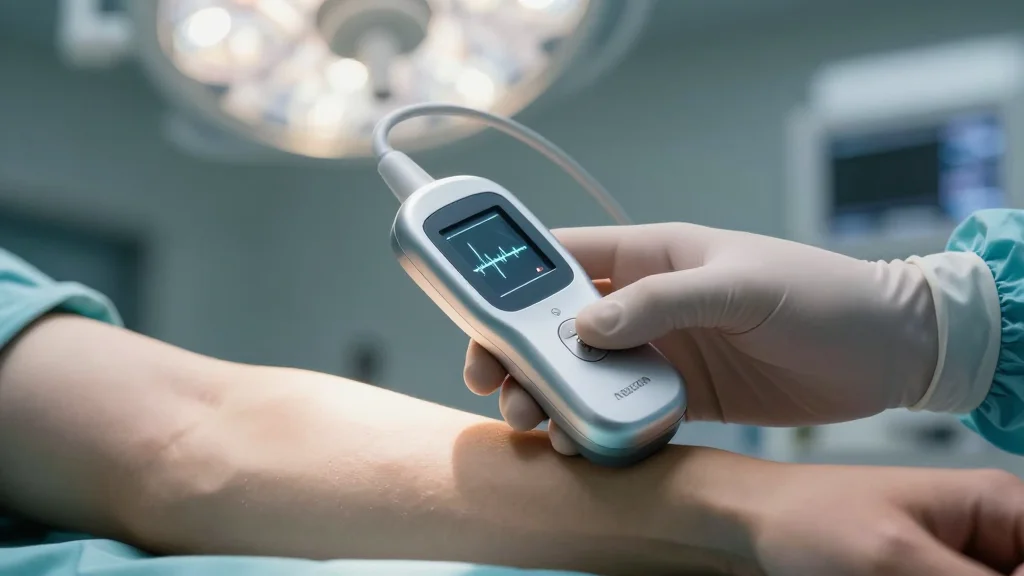
Neuromuscular Monitoring: An Overlooked but Evidence-Based Non-Drug Intervention in Preventing Postoperative Pulmonary Complications
Quantitative neuromuscular monitoring (QNM) is a proven, non‑drug strategy that halves the incidence of residual neuromuscular block after abdominal surgery and markedly lowers postoperative pulmonary complications (PPCs). Observational data from the POPULAR study of 22,803 patients showed a 30‑50% reduction...

Re: Flawed NHS League Tables Won’t Help Patients and Could Punish Struggling Trusts, Experts Warn
A letter to the BMJ argues that the NHS Oversight Framework’s league tables are fundamentally flawed because they exclude health‑inequality metrics and impose a blanket financial penalty that caps trust scores at three. The framework treats all 134 acute trusts...

Re: Peer Support Intervention (ABA-Feed) to Improve Breastfeeding: UK Based, Multicentre, Parallel Group, Randomised Controlled Trial
The author’s response to the ABA‑feed trial highlights three critical issues: the study’s sample‑size assumptions were based on a 44% breastfeeding baseline, yet the control group achieved 68.8%, reducing statistical power. The intensive “usual care” already provided in the UK—midwife...

PreVenTB Trial: Considerations for Interpreting Extrapulmonary Tuberculosis Efficacy and Tuberculin Skin Test-Stratified Analyses
The PreVenTB phase‑3 trial evaluated the recombinant BCG vaccine VPM1002 and the subunit vaccine Immuvac in 12,700 Indian household contacts, but neither met the primary endpoint of preventing microbiologically confirmed tuberculosis. The authors noted a 23.1% versus 20.3% six‑month tuberculin...

Re: Effect of a Clinical Decision Support System on Stroke Care Quality and Outcomes in Patients with Acute Ischaemic Stroke...
A cluster‑randomised trial (GOLDEN BRIDGE II) evaluated an AI‑driven clinical decision support system (CDSS) for acute ischemic stroke. The intervention lowered three‑month vascular events from 3.9% to 2.9% (adjusted HR 0.74) and improved several composite performance measures. However, the study found no significant...

When Political Speech Becomes a Clinical Exposure
The letter highlights chronic underfunding of women’s health research and warns that high‑profile political statements can act as a clinical exposure, rapidly altering prescribing patterns. Data from the United States show a 10% drop in acetaminophen orders for pregnant women...

Attacks on Medical Facilities During War Demand Global Response
Recent WHO data cited by the BMJ show 43 attacks on health facilities in Iran and Lebanon since late February, killing dozens of health workers and crippling hospitals. These assaults breach the Geneva Conventions, which guarantee medical neutrality even as...

Re: Accuracy of Glomerular Filtration Rate Estimation Based on Creatinine and Cystatin C for Monitoring Moderate Chronic Kidney Disease in...
A recent longitudinal cohort study examined how well estimated glomerular filtration rate (eGFR) equations, using creatinine alone or combined with cystatin C, track measured GFR in adults with moderate chronic kidney disease. The combined creatinine‑cystatin C formula showed a modest gain in...

Re: Weight “Regain” In Obesity Shifts Responsibility From Biology to Personal Inadequacy
The author agrees with recent criticism of the term “weight regain,” emphasizing that obesity is a chronic, biologically driven condition. She highlights that GLP‑1 receptor agonists cause loss of both fat and lean tissue, triggering adaptive reductions in energy expenditure...

Re: AI Supported Diagnostic Innovations for Impact in Global Women’s Health
In a response to Linder et al.’s analysis of AI‑driven women’s health diagnostics in low‑ and middle‑income countries, Mon Yee Htet Paing highlights China’s rapidly expanding AI medical‑device ecosystem as a practical template. Between 2020 and 2025, China approved 154 AI‑based devices, with approvals...