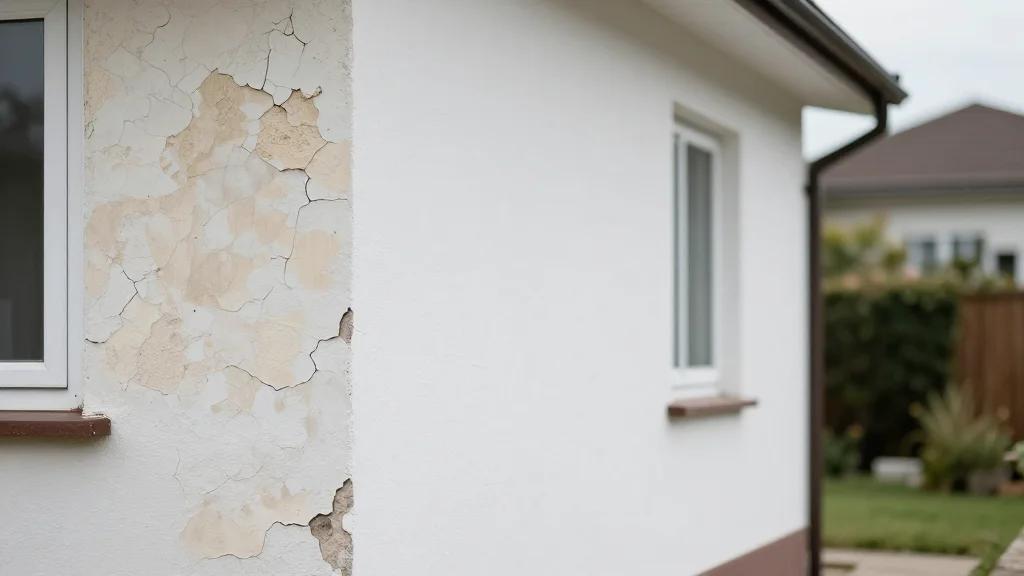
How to Tell When Your House Needs Re-Rendering – The Key Signs to Look For
Re‑rendering becomes necessary when visible cracks, hollow‑sounding areas, or crumbling sections appear on a home’s façade, indicating that the existing render has lost adhesion. Persistent staining, algae growth, or moisture trapped behind the surface further signal that repair alone won’t suffice. Interior symptoms such as cold walls, condensation, or difficulty heating rooms can also point to failing external render or insulation. Homeowners must verify whether the work falls under permitted development, as listed buildings or properties in conservation areas often require planning permission before any exterior work proceeds.

Financing a Package Home Self Build Project – What Are the Options?
Package home self‑builds streamline construction by pre‑defining design, engineering and off‑site manufacturing, giving buyers clearer cost and schedule expectations. Prospective builders must first assess affordability, factoring in land—usually 30‑50% of total spend—and any equity or savings before seeking a self‑build...

How Much Should You Pay for a Plot of Land? This Is How to Value a Self Build Site
Buying a self‑build plot in the UK is often driven by scarcity and competition, leading many buyers to wonder if they are overpaying. The article explains that the most reliable method to price a site is a residual valuation, which...
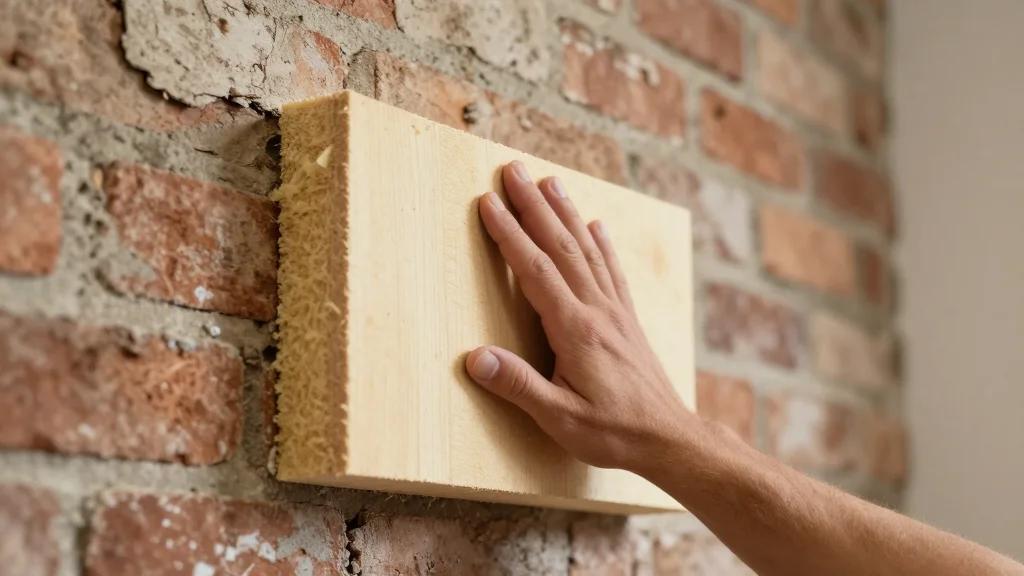
The Complete Beginner’s Guide to Renovating a Period Property
Renovating period properties demands a different approach than modern builds because the original fabrics are breathable and lack vapor barriers. Introducing impermeable materials can disrupt the building’s natural moisture equilibrium, leading to costly damage. Owners must understand heritage constraints, select...
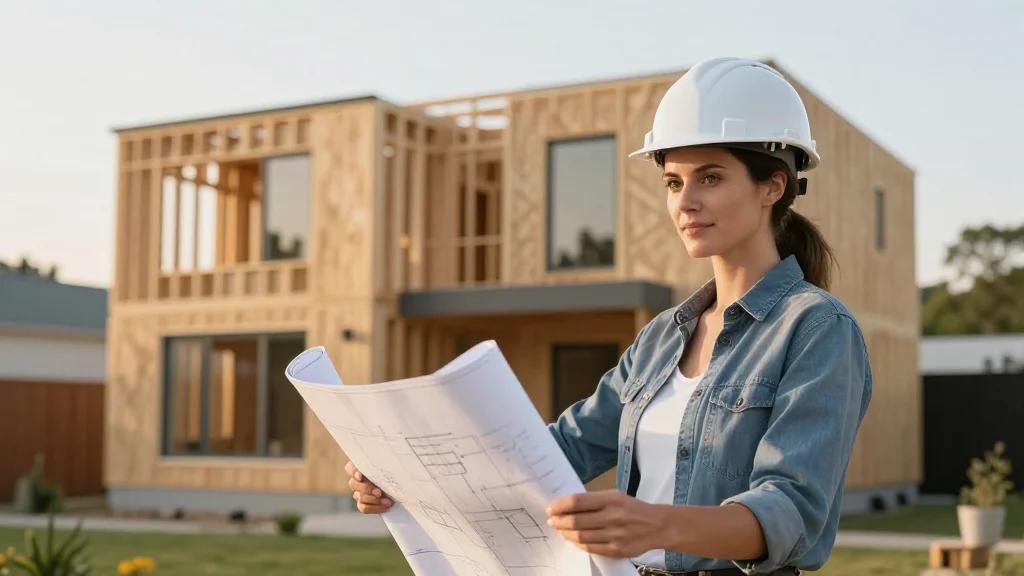
Build It in Conversation with Fleming Homes’ Sarah Mathieson
Fleming Homes, a family‑run timber‑frame builder based in the Scottish Borders, celebrates its 40th anniversary. Managing director Sarah Mathieson, who joined the board in 2015 and became MD in 2017, now steers strategy, finance, sales and marketing. The company’s roots...
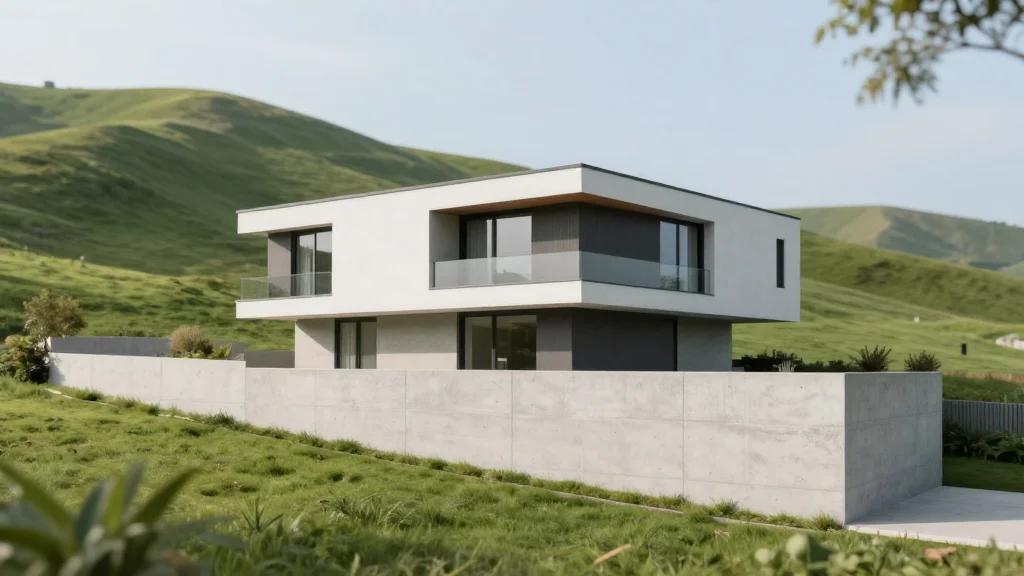
How to Design a Home for a Sloping Site – The Key Considerations to Note
Designing a home on a sloping site demands careful investigation of geology, soil, drainage, and planning constraints. Prospective self‑builders should obtain detailed topographical surveys and soil tests to determine appropriate foundations and retaining walls. Understanding local planning attitudes and drainage...
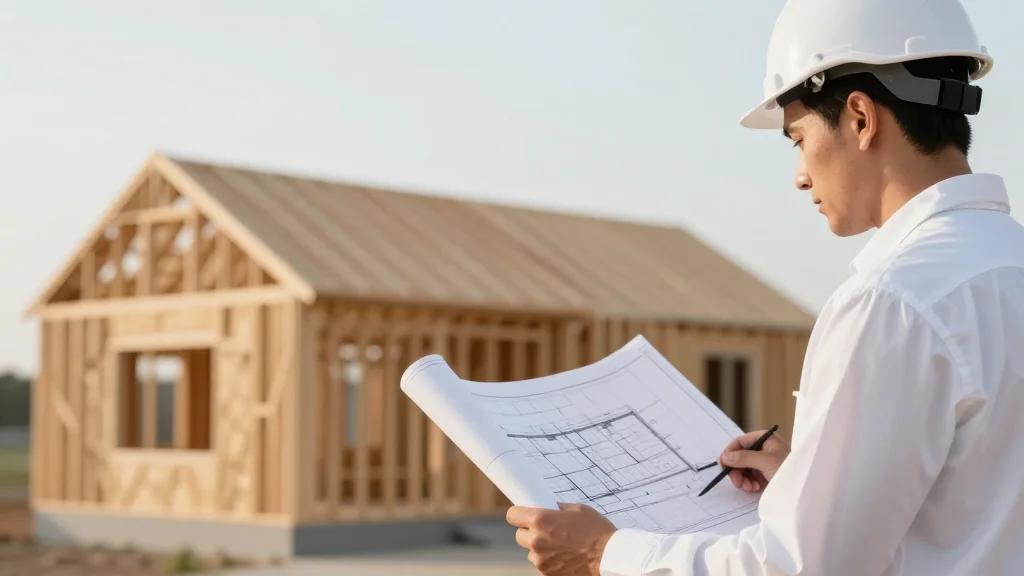
What Does the Building Regulations Principal Designer Mean for Your Self Build?
The Building Regulations Principal Designer (BRPD) is a legal role introduced by England’s Building Safety Act 2022 to guarantee that self‑build projects meet Building Regulations standards. The client appoints the BRPD—usually the architect or lead designer—to coordinate the design team,...
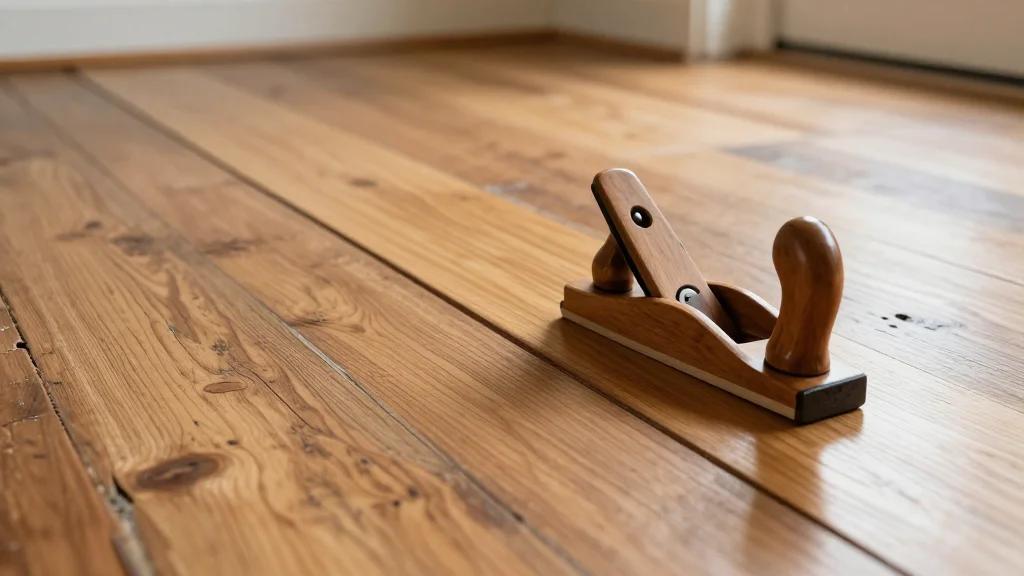
Renovating Old Floors – An Expert’s Guide to Repairing & Replacing Flooring in a Period House
Renovating floors in period houses balances heritage preservation with modern performance. Early‑era wooden boards often survive with polishing or localized repair, while stone, brick or tile surfaces are usually left intact unless they pose safety risks. Homeowners must weigh the...
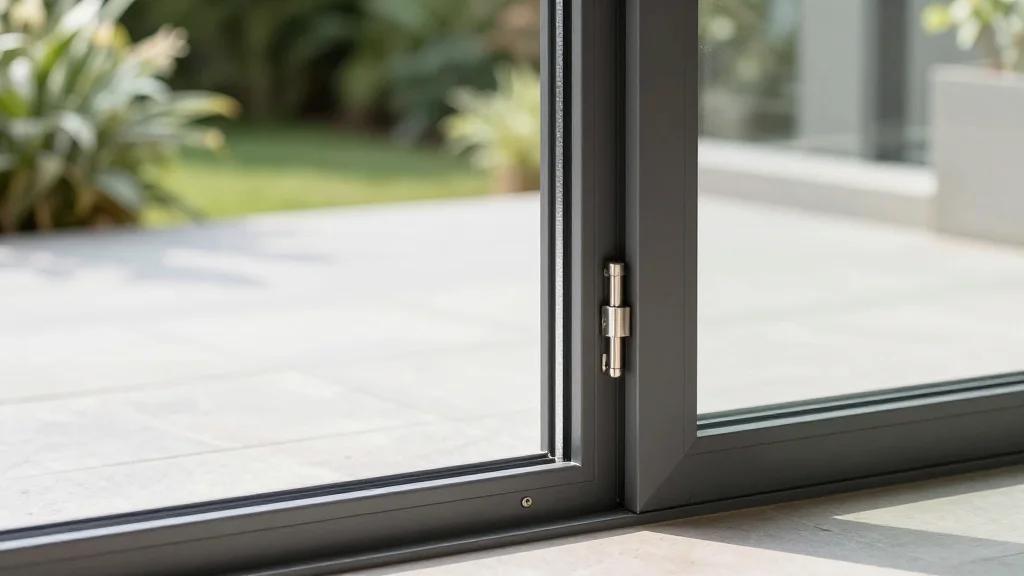
Glazed Sliding Patio Doors – The Ultimate Homeowner’s Guide
Glazed sliding patio doors have evolved from simple garden gateways to centerpiece features that blend indoor and outdoor spaces. Manufacturers now offer ultra‑thin frames, wide glazing spans, and lift‑and‑slide mechanisms that can handle panels over 200 kg while meeting stricter thermal‑performance...
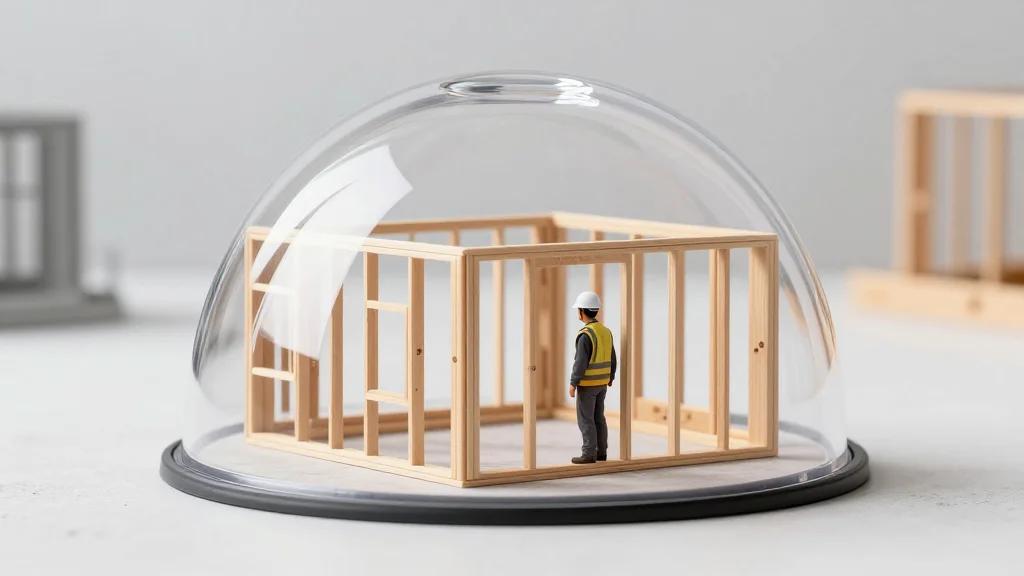
How to Protect Your Site & Building Works From Day One
Getting a self‑build or renovation underway brings excitement, but the early phase is the most vulnerable to risk. Open sites, unfinished structures, and multiple trades increase chances of accidental damage, theft, weather‑related loss, and liability claims. Standard home insurance typically...
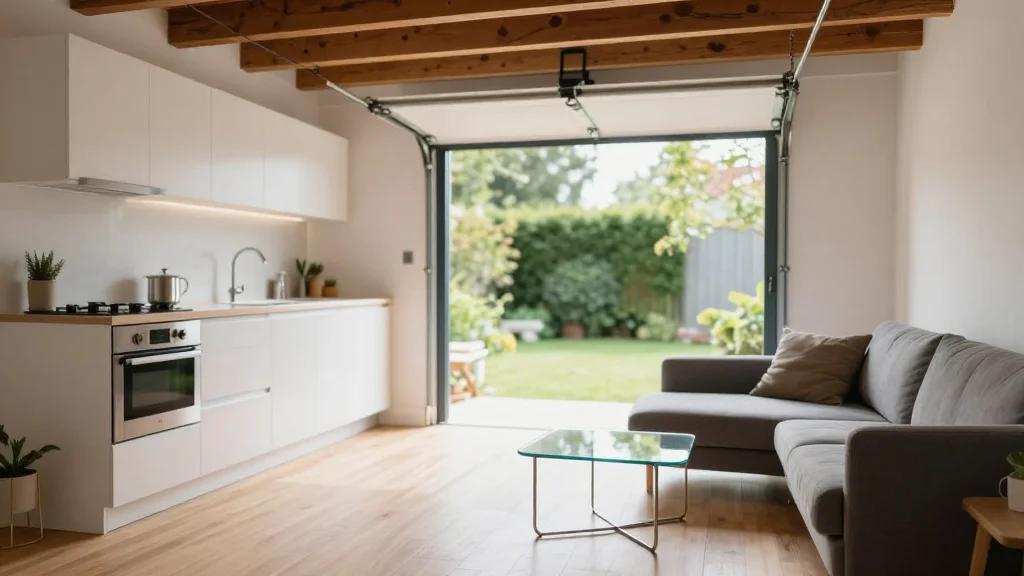
The Ultimate Garage Conversion Guide – Design, Planning, Costs & More
Garage conversions are a fast, cost‑effective way to add flexible living space and boost home equity. Typical projects transform a 20m², 2‑meter‑high garage into a home office, bedroom, gym, or guest suite with bathroom and kitchenette. Successful conversions hinge on...
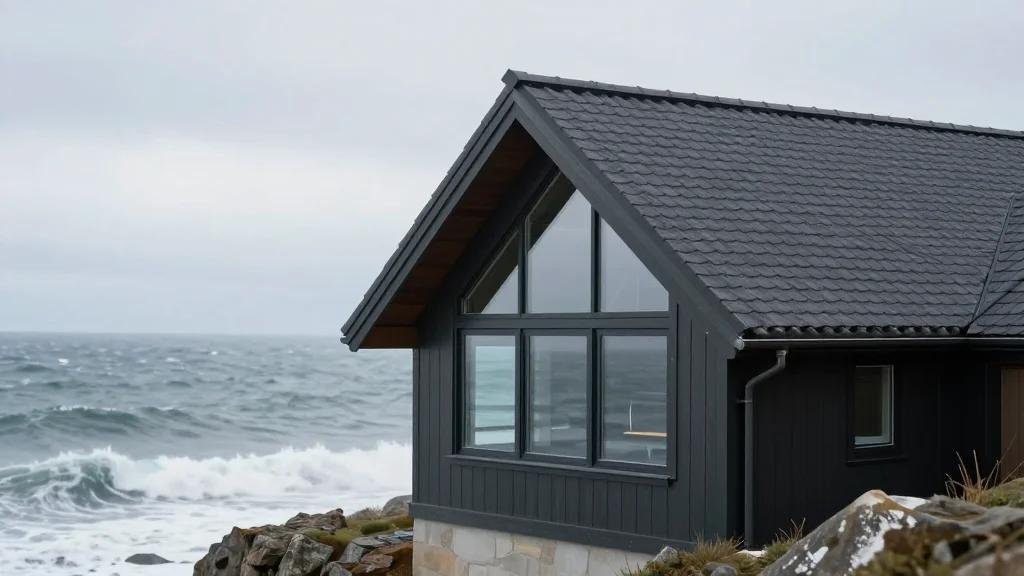
How to Design a Home for an Exposed Location – An Architect’s Top Tips
Designing homes in exposed locations—coastal, plains, or hill sites—requires more than aesthetic choices; structural resilience is paramount. Architects recommend steep‑pitch roofs, large eaves, and small, deep‑set windows to mitigate wind uplift, rain, and sea‑salt corrosion. Additional measures such as sarking...
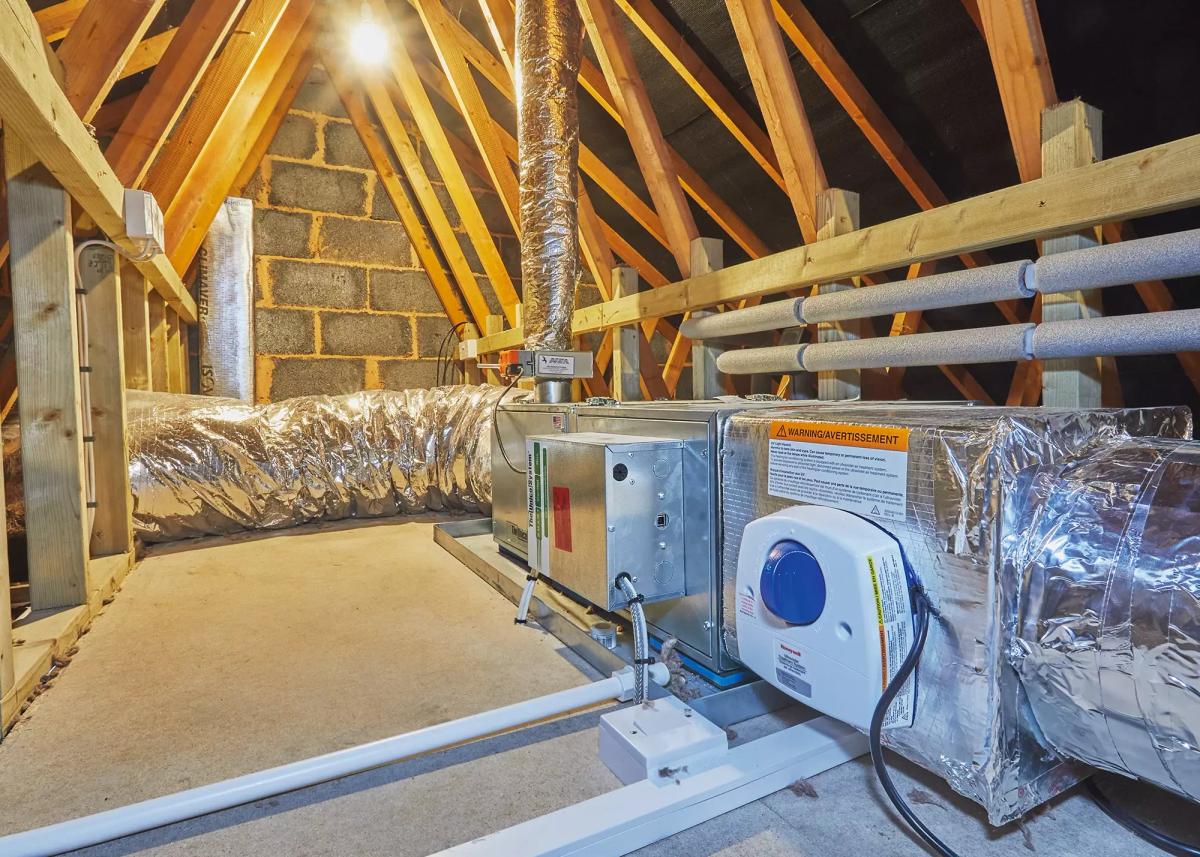
Home Ventilation Guide – 10 Ways to Create a Well Ventilated & Healthy House
Home ventilation is critical for health as airtight, energy‑efficient builds can trap pollutants, humidity and mold. Recent UK Building Regulations (Part F and Part O) now require better airflow and overheating control in new homes. The article outlines ten strategies, from simple...

Plasterboard Alternatives for Eco Home Projects – An Expert Shares His Advice
Plasterboard still lines roughly 5% of a new‑build’s embodied carbon and 3% of its cost, making it a major construction component. Its popularity stems from speed of installation and low labour, but disposal is problematic because wet plasterboard releases toxic...
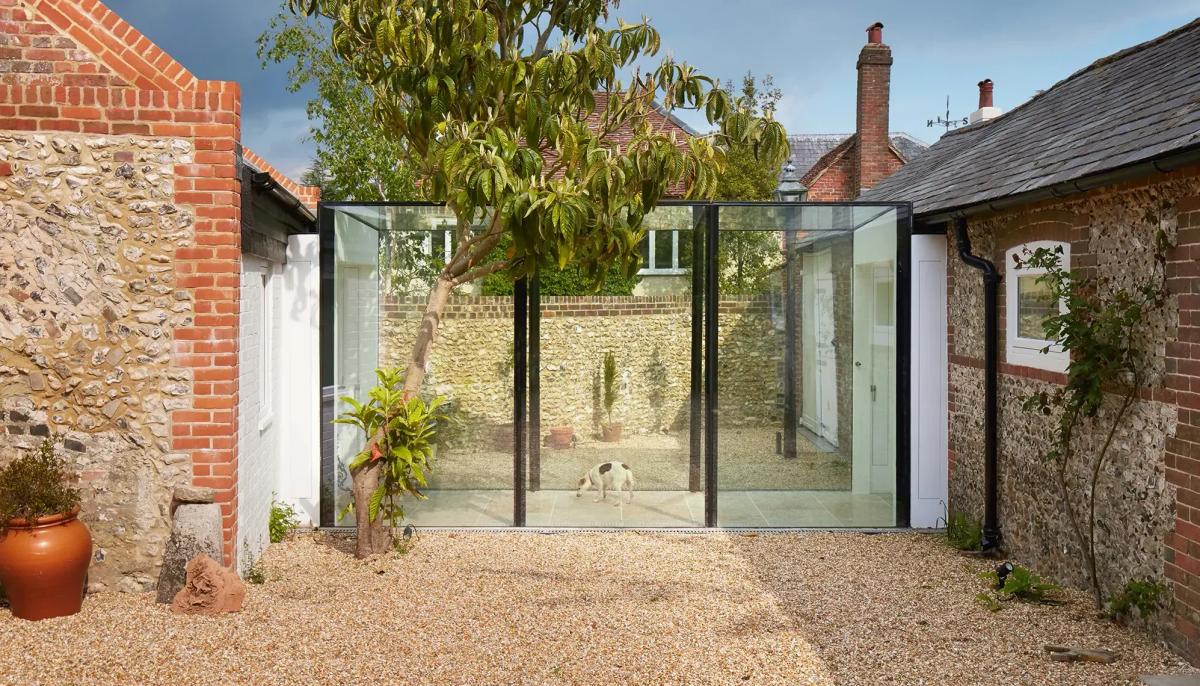
Designing a Glazed Link – The Experts Reveal How to Create a Glass Link Between Buildings
Architects are increasingly using glazed links—frameless glass corridors—to connect existing structures with new extensions, especially on historic or listed buildings. The approach offers a light‑touch visual bridge that delivers daylight, spatial continuity, and a clear distinction between old and new...