
Artificial Grass Installation and Synthetic Turf Solutions: Sustainable Landscaping for Commercial Properties
Artificial grass is emerging as a cost‑effective, low‑maintenance landscaping option for commercial properties, offering a permanent green surface that withstands drought, heavy foot traffic, and harsh climates. While the upfront installation expense exceeds that of seeding, the elimination of watering, mowing, and pesticide treatments reduces long‑term operating costs. Proper site preparation—including grading, weed barriers, and a gravel base—ensures durability, drainage, and compliance with permeable‑surface regulations. The synthetic turf’s porous design also mitigates storm‑water runoff, positioning it as a more environmentally responsible alternative to both natural lawns and asphalt.

Your Elevator Spec Is Already Outdated—Here’s Why It Matters
Elevator specifications often lag behind modern digital capabilities, leading to misaligned performance, compliance gaps, and higher costs. The article highlights how today’s elevators are data‑rich, IoT‑connected systems that support predictive maintenance and smart dispatch, yet many specs still treat them...

Biophilic Acoustic Solutions for High-Ceiling Buildings: What Owners and FMs Should Know
High‑ceiling spaces suffer from echo and reverberation, prompting architects to turn to biophilic design for acoustic relief. Living walls, moss panels, and porous natural materials diffuse and absorb sound while boosting indoor air quality. Combining these green solutions with conventional...

Fortifying Campus Infrastructure: Why Reliable In-Building Communications Is Now a Facility Priority
Universities are recognizing in‑building wireless systems as a critical facility priority to eliminate communication dead zones that jeopardize safety and daily operations. Facility managers now oversee Distributed Antenna Systems (DAS) that boost both public‑safety radio and cellular signals across diverse...

Slip-and-Fall Prevention Starts with Process, Not Products
Slip‑and‑fall injuries account for over 25% of non‑fatal workplace incidents, yet many facility leaders still prioritize flooring products over operational discipline. The article argues that a process‑driven safety program—standardized cleaning, proactive inspections, clear responsibilities, and continuous training—delivers far greater risk...

Invisible Infrastructure: Why Your Building’s Digital Experience Is Key to Ensuring Occupier Trust
The office market is moving beyond flashy amenities toward seamless, invisible digital infrastructure that underpins tenant trust. Multi‑tenant buildings face a "paradox" where legacy, siloed systems create friction at entry, connectivity, and booking points. Operators who replace fragmented tech with...

Sustainability Success Stories: Green Buildings in Action
Two recent projects illustrate how purposeful design can deliver high‑performance, sustainable buildings. The East Seattle Partners office, a 15,000‑sq‑ft LEED Gold office, achieves a 47% energy reduction, 54% water cut and generates 25% of its power from rooftop solar. Newark...

How Alternative Water Sources Like Rainwater and HVAC Condensate Reduce Risk for Facility Managers
Facility managers are turning rainwater and HVAC condensate from optional sustainability add‑ons into core infrastructure. Epic Cleantec’s OneWater system captures both sources, supplying non‑potable water for toilets, cooling towers, and irrigation, thereby lowering dependence on municipal supplies. The approach improves operational...

Why CMMS Implementations Fail in Facility Operations and What Leaders Can Do Differently
Facility leaders adopt Computerized Maintenance Management Systems (CMMS) to boost asset visibility, cut emergency work, and lower costs, yet many implementations fall short. The primary cause is treating CMMS as a pure technology install rather than a shift in maintenance...

Legionella Learnings: What the NY Outbreak Signals About a Growing National Vulnerability
The August 2025 New York Legionella outbreak was linked to contaminated cooling‑tower water across multiple buildings, exposing systemic infrastructure flaws. Traditional laboratory culturing can take up to ten days, allowing the bacteria to proliferate and spread. New rapid on‑site testing...

5 Tips for Scaling Smart Building Across Large CRE Portfolios
Large CRE owners face rising energy costs, volatile pricing and tightening regulations that pressure NOI. Smart building technologies—IoT sensors, AI analytics and automated controls—promise 15‑25% energy savings when deployed at scale. The article outlines five actionable steps: thorough assessments with...

From IT Controls to Engineering Resilience: Rethinking Smart Building Cybersecurity
Smart building operators are importing IT‑centric cybersecurity controls—encryption, authentication, zero‑trust—into legacy automation systems, but these measures can unintentionally disrupt deterministic control loops. A real‑world HVAC example shows a missed certificate renewal causing controllers to stop responding, leaving occupants uncomfortable and...
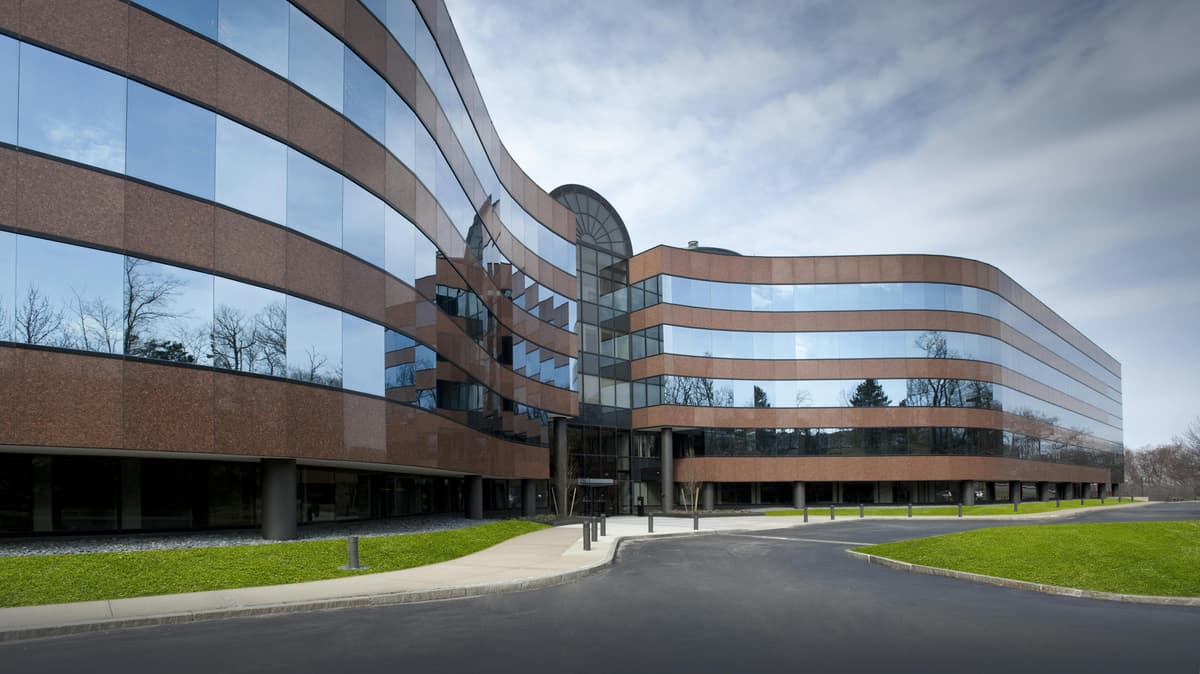
4 Trends That Will Define the Commercial Real Estate Industry in 2026
The commercial real estate (CRE) sector is pivoting toward integrated digital, wellbeing, resilience, and sustainability strategies in 2026. Owners will shift from reactive management to continuous, data‑driven optimization of HVAC, energy, and space utilization. Tenant experience becomes a core differentiator,...

Why Building Measurement Has Become a Specialized Discipline
Building measurement has shifted from a one‑time design task to a continuous governance function as BOMA standards ballooned in scope and detail. Modern portfolios experience frequent tenant improvements, phased occupancies, and mixed‑use changes, turning rentable area into a dynamic accounting...
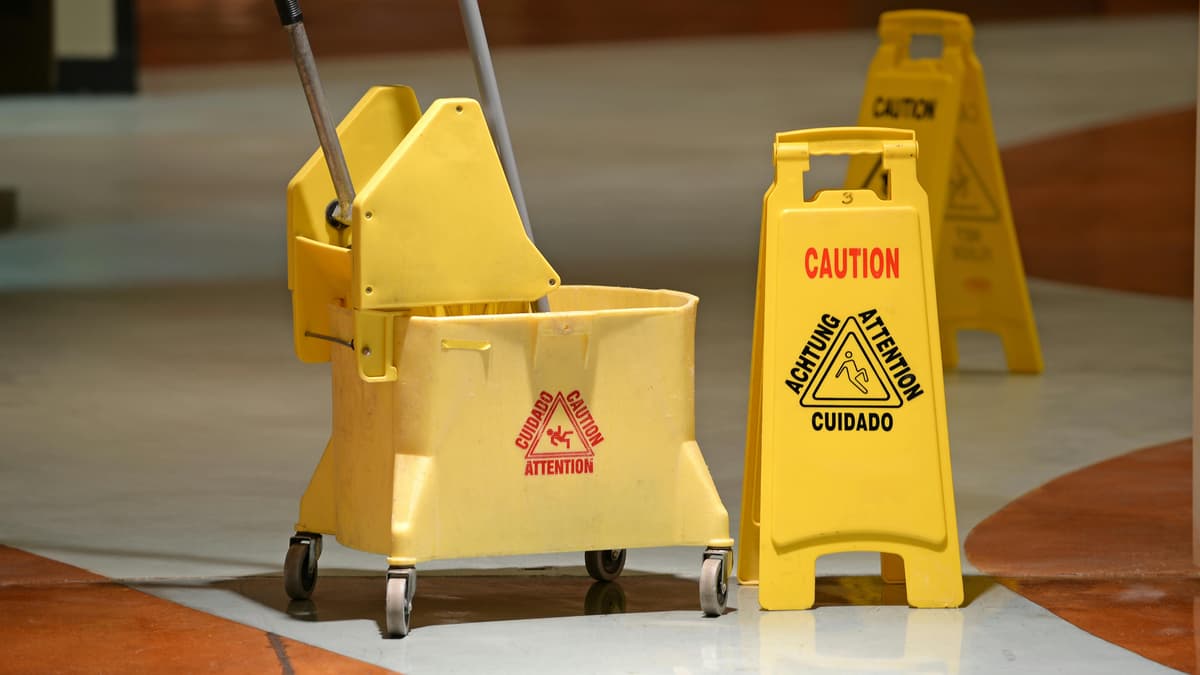
From Talent to Service Quality: How Digital Marketplaces Are Helping Building Owners Maintain Clean, Compliant Facilities
Digital labor marketplaces are reshaping facility management by linking building owners with vetted, on‑demand cleaning professionals. Real‑time scheduling and centralized communication reduce manual coordination, while transparent worker profiles improve accountability and compliance. Flexible staffing mitigates turnover‑driven service gaps, enabling managers...

Carrier Introduces Generative AI Feature in Abound to Elevate Building Operations Insights
Carrier has launched “Tell Me More,” a generative AI add‑on to its Abound Insights platform that translates predictive alerts into plain‑language explanations, recommended actions, and impact assessments. The feature is built on AI models trained with technical manuals and real‑time...
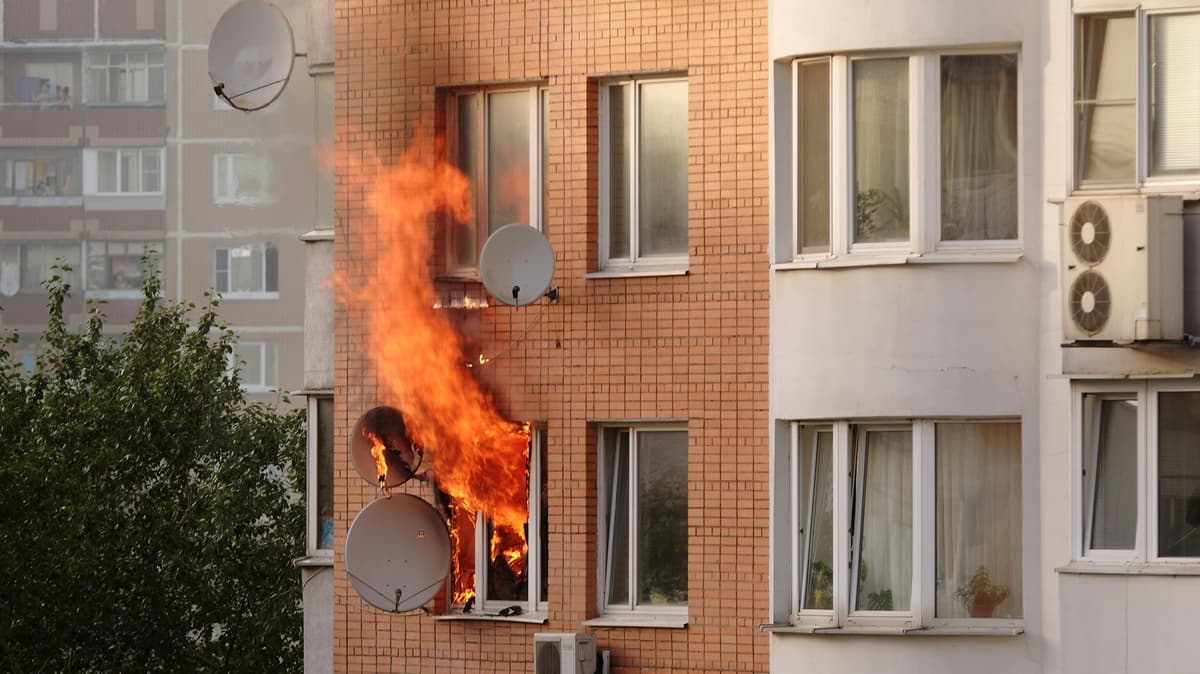
Passive Fire Protection Testing: Why It’s Critical for Safety and Compliance
Passive fire protection (PFP) systems, especially intumescent coatings, are essential for preserving structural steel integrity during fires. Industry standards such as UL 263, ASTM E119 and EN 13381‑8 mandate rigorous, independent testing that simulates real fire conditions and yields fire ratings from 30...

Intelligent Buildings 2026: From Reactive to Predictive Performance
Intelligent building management is moving from isolated, reactive controls to AI‑driven, predictive operations. Interoperability standards are emerging, allowing diverse systems to share data seamlessly and support large‑scale automation. Predictive analytics and real‑time monitoring are set to cut energy waste and...