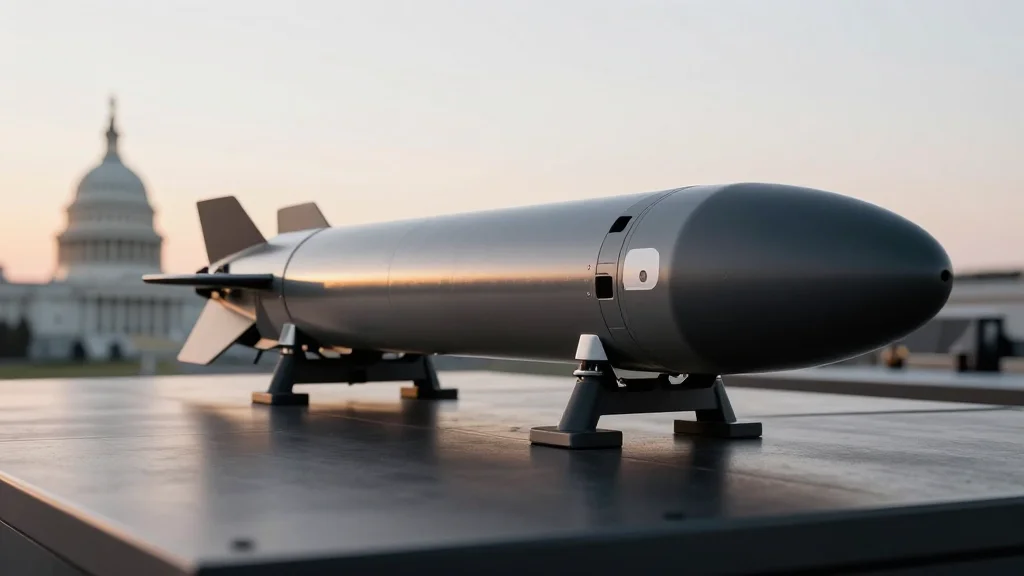
Potential Costs of a National Missile Defense System
The Congressional Budget Office estimates that a U.S. national missile‑defense system modeled on the executive order dubbed “The Iron Dome for America” would cost roughly $1.2 trillion over a 20‑year horizon. The figure covers research and development, fielding of interceptor sites, and ongoing operational expenses. The projection reflects the scale of a layered defense capable of countering short‑ and medium‑range threats. CBO’s analysis underscores the financial magnitude of translating Israel’s Iron Dome concept to a nationwide American network.

Monthly Budget Review: April 2026
The Congressional Budget Office reports that the federal deficit reached $955 billion during the first seven months of fiscal year 2026. This figure is $94 billion lower than the same period last year, indicating a modest improvement in the budget gap. The...
Legislation Considered Under Suspension of the Rules of the House of Representatives During the Week of May 11, 2026
The House Majority Leader announced that eight bills will be considered under suspension of the rules during the week of May 11‑17, 2026. Under suspension, each measure can be debated for up to 40 minutes per side and must clear a two‑thirds...

Answers to Questions for the Record Following a Hearing on The Budget and Economic Outlook: 2026 to 2036
The Congressional Budget Office (CBO) presented its 2026‑2036 fiscal outlook during a Senate Finance Subcommittee hearing, where Director Phillip Swagel answered submitted questions. The agency’s baseline assumes slower productivity, aging demographics, and current policy settings, projecting persistent deficits and rising...

DoD's 2026 Budget Request and Plan for Funding Provided by the 2025 Reconciliation Act
The Department of Defense has submitted a FY 2026 budget request of $961 billion, one of the largest peacetime appropriations in the past 50 years. About $113 billion of that amount is sourced from the 2025 bipartisan reconciliation act, designed to bypass a...

Legislation Considered Under Suspension of the Rules of the House of Representatives During the Week of April 27, 2026
During the week of April 27, 2026, the House Majority Leader announced a slate of bills slated for consideration under suspension of the Rules, a fast‑track procedure that limits debate and prohibits amendments. The Congressional Budget Office (CBO) released preliminary...

Testimony on Challenges Facing the Navy's and Coast Guard's Shipbuilding Programs and the Shipbuilding Industrial Base
Senior CBO analyst Eric J. Labs testified before the House Seapower and Coast Guard subcommittees, highlighting mounting challenges in the Navy’s and Coast Guard’s shipbuilding pipelines. He warned that budget pressures, cost overruns and a shrinking industrial base could delay...

How Changes in Economic Conditions Might Affect the Federal Budget: 2026 to 2036
The Congressional Budget Office released a sensitivity analysis showing how shifts in key economic variables could reshape the federal budget from 2026 to 2036. Faster GDP growth, higher inflation, and rising interest rates each have measurable effects on revenues, outlays,...
How Changes in Economic Conditions Might Affect the Federal Budget, 2026 to 2036: An Interactive Tool
The Congressional Budget Office has released an interactive web tool that lets users create custom economic scenarios and instantly see how those assumptions would alter federal revenues, outlays, deficits and debt over the 2026‑2036 horizon. By comparing user‑generated outcomes with...

Legislation Considered Under Suspension of the Rules of the House of Representatives During the Week of April 13, 2026
During the week of April 13, 2026, the House Majority Leader announced a slate of bills to be considered under suspension of the Rules, a fast‑track procedure that requires a two‑thirds vote and caps debate. The Congressional Budget Office provided...

Monthly Budget Review: March 2026
The Congressional Budget Office reports that the federal budget deficit reached $1.2 trillion in the first half of fiscal year 2026. This figure is $139 billion lower than the same period last year, indicating a modest fiscal improvement. The decline reflects a...

Using the CBO-EPPA Model to Analyze Carbon Import Tariffs and Export Rebates: Working Paper 2026-03
The Congressional Budget Office’s EPPA model evaluates a policy mix of carbon import tariffs, export rebates, and a carbon tax, measuring impacts on sector output, trade flows, and CO₂ emissions. Results show that tariffs on carbon‑intensive imports and rebates for...

Mandatory Spending in Fiscal Year 2025: An Infographic
Mandatory outlays for fiscal year 2025 reached $4.2 trillion, with Social Security and Medicare accounting for more than half of that total. The surge reflects the largest decade‑long increases in the federal budget, driven primarily by health‑care entitlement programs. Over the...
Legislation Considered Under Suspension of the Rules of the House of Representatives During the Week of March 16, 2026
The House Majority Leader announced a slate of bills to be considered under suspension of the rules during the week of March 16, 2026. The Congressional Budget Office released estimates showing the combined effect of the measures on direct spending...
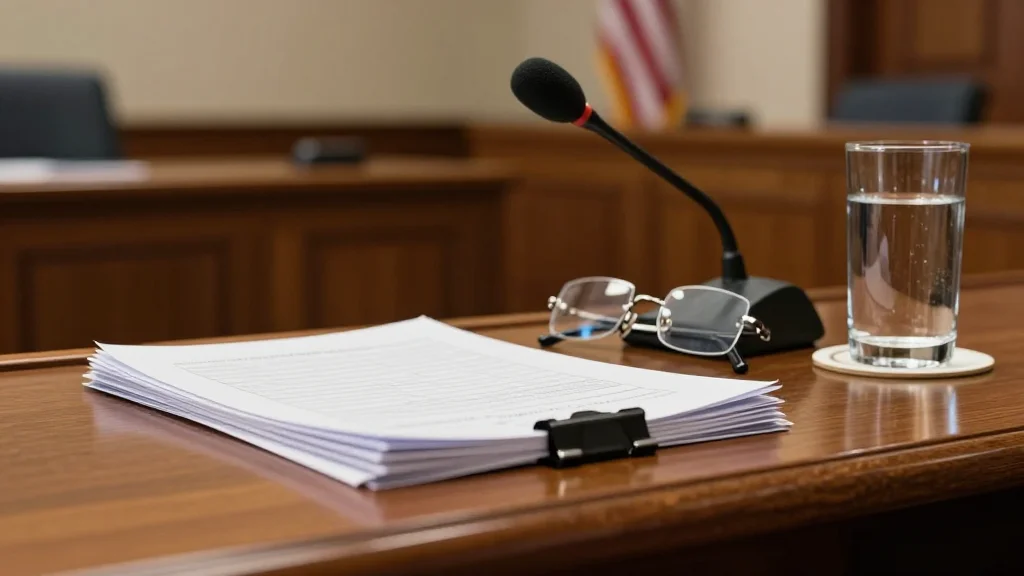
Testimony on The Budget and Economic Outlook: 2026 to 2036
CBO Director Phillip Swagel testified before the Senate Finance Subcommittee, presenting the agency’s latest 10‑year outlook for the federal budget and macroeconomy covering 2026‑2036. The projection shows persistent deficits averaging 4.5% of GDP, with federal debt climbing to roughly 115%...