
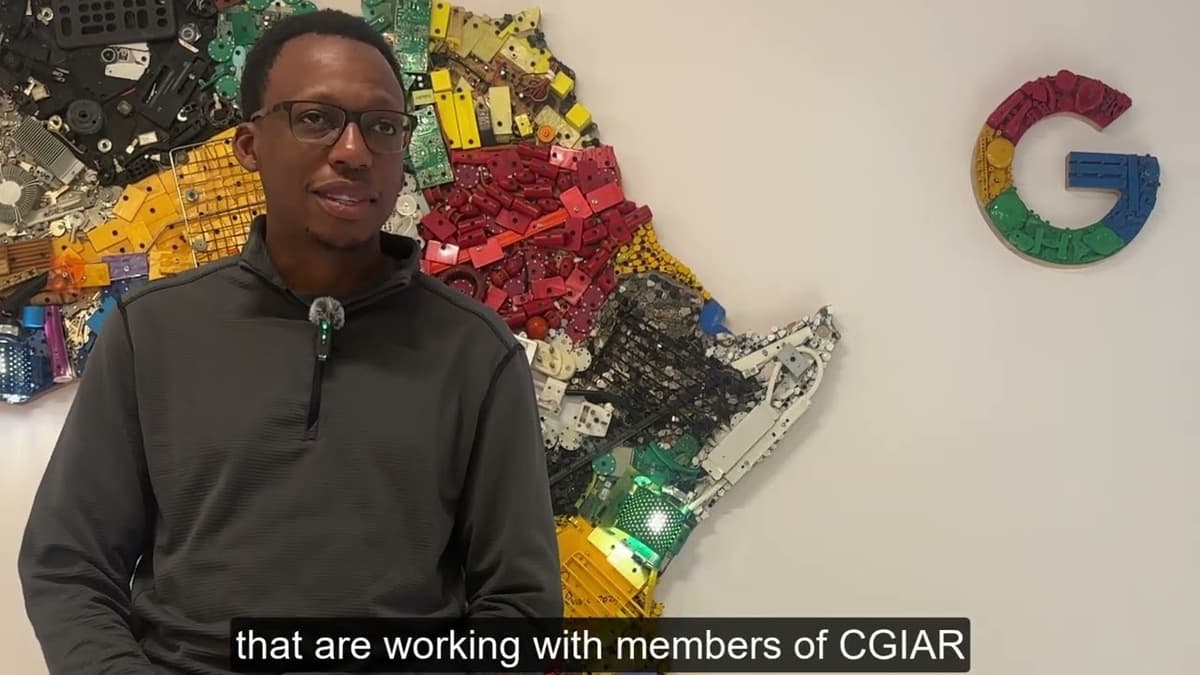
CGIAR & Google Leverage AI to Develop the Crops the World Needs the Most
The video announces a strategic partnership between CGIAR, the global agricultural research consortium, and Google’s AI labs to embed artificial intelligence into crop breeding. The collaboration, anchored by the Google.org ORC project, focuses on digital phenotyping—using computer‑vision and machine‑learning to capture plant traits at scale. Key insights include the automation of data collection for thousands of field plots, eliminating the labor‑intensive, error‑prone manual measurements that have long bottlenecked breeding programs. By standardizing phenotyping protocols across all CGIAR centers, the initiative promises objective, high‑quality data that can be pooled into a shared, cloud‑based database, accelerating cross‑institutional research. Representatives highlighted Google’s deep‑learning expertise, noting that teams from Google Research and DeepMind are co‑designing tools that can instantly assess growth, disease resistance, and yield potential. One speaker emphasized that “standardized, objective phenotyping… will make a standardized procedure we can use the same principles across all crops.” The partnership could dramatically shorten breeding cycles, enabling faster development of climate‑resilient, high‑yield varieties essential for food security. By linking data across CGIAR’s global network, the AI platform also fosters collaborative innovation, positioning both organizations at the forefront of digital agriculture transformation.
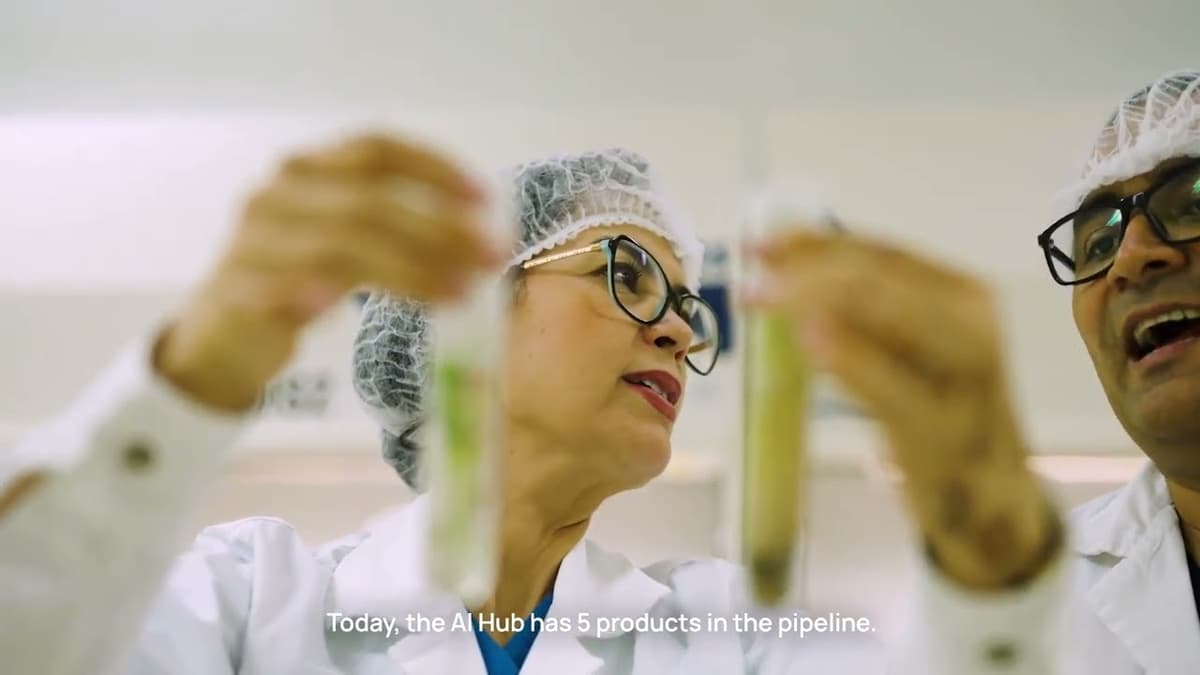
Turning Agricultural Research Into AI Products: The CGIAR AI Hub Explained
The CGIAR Artificial Intelligence Hub, launched in 2025 and based in Abu Dhabi, aims to convert the CGIAR’s decades‑long agricultural research into scalable AI products for the Global South. Backed by the UAE’s AI and agri‑tech ecosystem and partners such as...
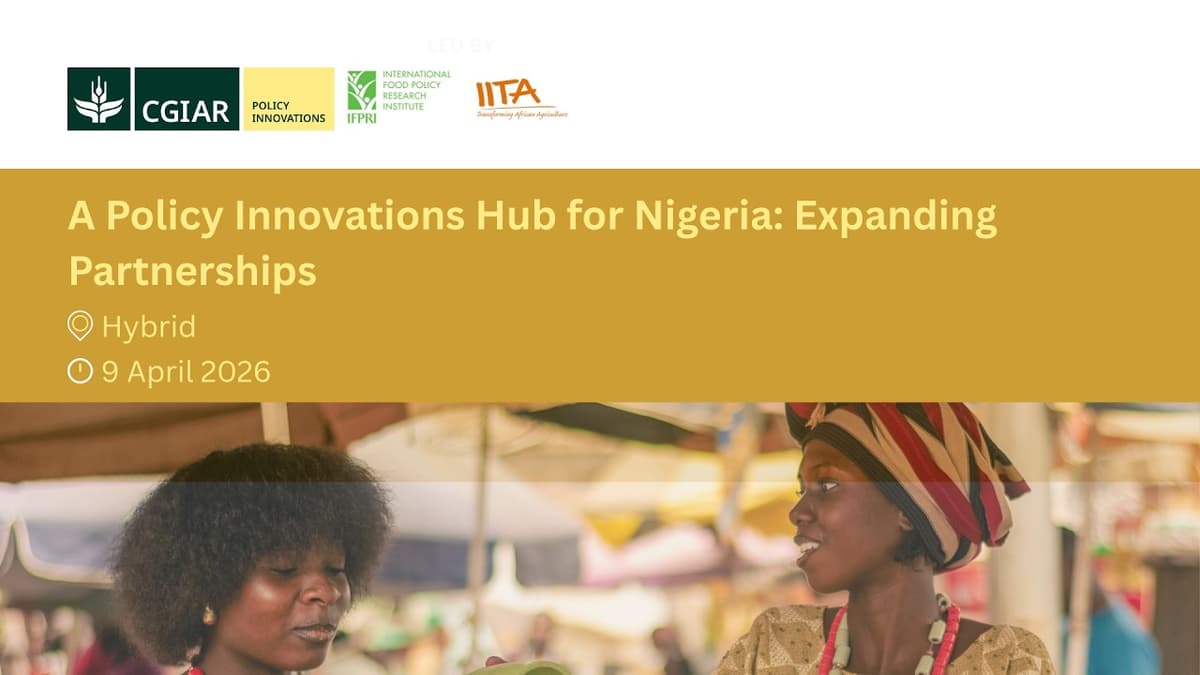
A Policy Innovation Hub for Nigeria: Expanding Partnerships
Nigeria is centering agriculture and food systems in its push for inclusive economic transformation and high‑income status. Key policy frameworks—such as the National Development Plan 2021‑2025, NATIP 2022‑2027, and food‑systems pathways—are guiding budget decisions from federal to county levels. Initiatives...
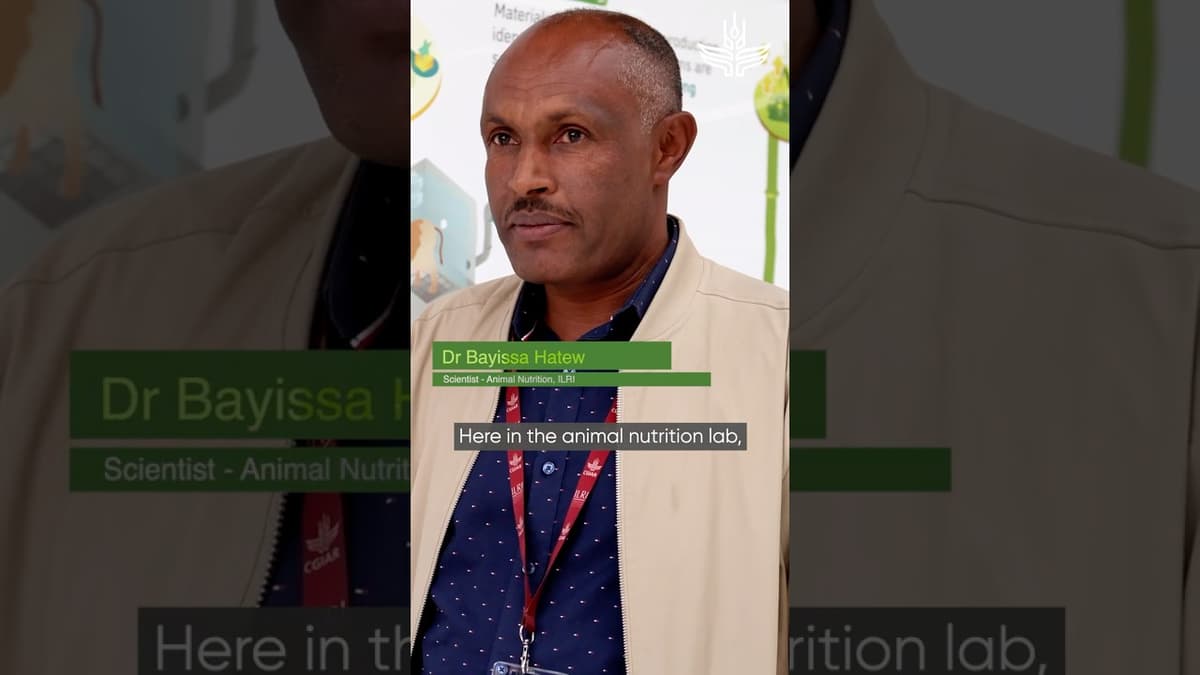
Reducing Methane Emissions From Livestock
The animal nutrition lab is leading a multi‑institutional effort called the Low‑Methane Forage project, which screens a vast germplasm collection from the ILRI gene bank for forage varieties that emit less methane while maintaining nutritional value. Researchers incubate each forage sample,...

Preparing Seeds at ILRI for the Svalbard Global Seed Vault
The International Livestock Research Institute (ILRI) in Ethiopia is finalising a safety‑duplicate seed sample destined for the Svalbard Global Seed Vault in Norway, alongside a second copy to be stored domestically. The duplication effort underscores the institute’s role in safeguarding the...
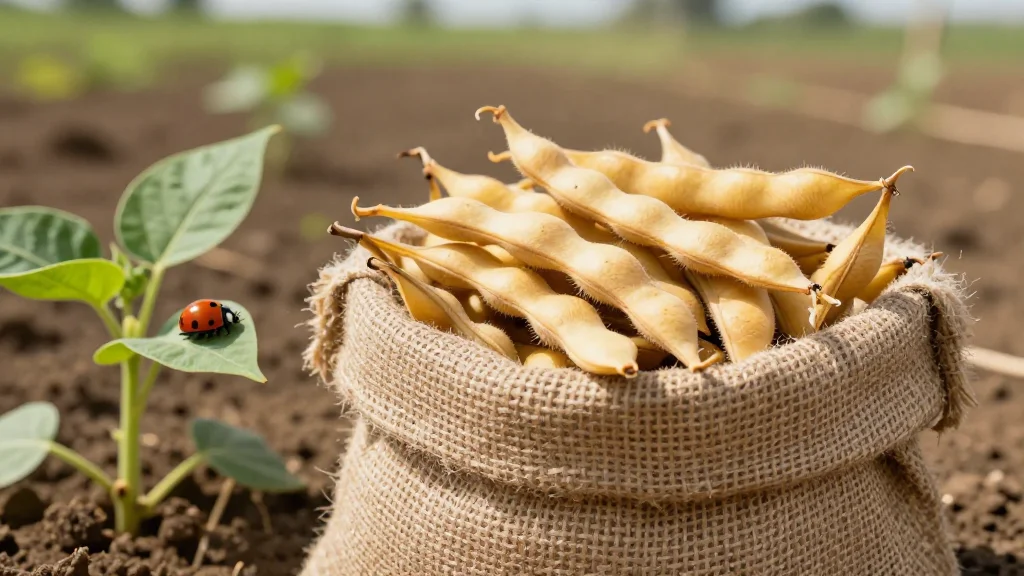
Tracing Impact: A Joint Mission Through Kenya’s BRAINS Project
The Building Equitable Climate‑Resilient African Bean & Insect Sectors (BRAINS) project held a three‑day joint mission across Nakuru, Nairobi and Kiambu, bringing together funders, implementers and Global Affairs Canada to assess progress. Two years into its five‑year timeline, partners reported...

Will the Iran Crisis Lead to Another Round of Food Price Spikes?
The closure of the Strait of Hormuz has driven a sharp rise in fertilizer and energy costs, with urea prices up about 40 percent, while grain markets remain largely stable, showing only modest increases in wheat, maize and soybeans. Unlike...

Generative AI-Powered Voice Technology in Agricultural Advisory Services: Lessons From India
A generative AI voice agent developed by Farm Vaidya now provides real‑time, context‑specific agricultural advice to Telugu‑speaking smallholders in southeast India. The system leverages mobile phones, bypassing the need for broadband, and delivers guidance on inputs, pest control, weather, and...
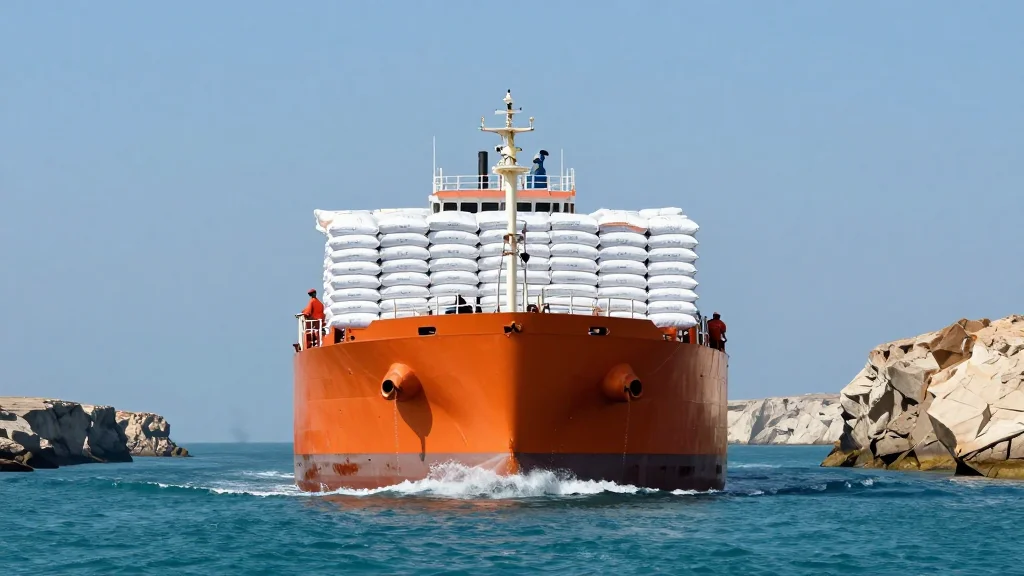
The Iran War’s Impacts on Global Fertilizer Markets and Food Production
The Iran‑Israel‑U.S. conflict has throttled shipping through the Strait of Hormuz, a conduit for roughly 30% of global fertilizer trade and 20% of LNG. Prices for nitrogen‑based fertilizers and phosphate have spiked sharply as export hubs in Qatar and Iran...

How Genebanks Helped Transform Chickpea Farming in India
The video highlights how gene banks, particularly the International Crops Research Institute for the Semi‑Arid Tropics (ICRISAT), have reshaped chickpea farming in India by delivering new, short‑duration varieties equipped with disease resistance. By tapping into native Indian germplasm, researchers introduced...