

Mad Money 03/24/26 | Audio Only
Mad Money’s March 24 episode pivoted from a chaotic war‑driven market narrative to the accelerating AI revolution, using OpenAI’s unprecedented fundraising as the centerpiece. Jim Kramer highlighted how contradictory statements about the Middle‑East conflict sent the Dow, S&P and Nasdaq in opposite directions, while oil and consumer stocks surged, underscoring the difficulty of trading on geopolitical noise. The show then shifted to the “Subrosa” battle between entrenched enterprise‑software titans—Microsoft, Salesforce, Adobe—and fast‑growing AI‑focused private firms such as Data Bricks, Anthropic and OpenAI. Kramer argued that high‑priced legacy software is being eroded by AI platforms that promise cheaper, more flexible solutions, a trend reinforced by massive capital inflows. OpenAI’s CFO Sarah Frier confirmed a historic $120 billion-plus round, bringing in strategic backers Microsoft, Amazon, Nvidia, Andreessen Horowitz and sovereign funds. She detailed the company’s 60/40 consumer‑enterprise revenue split, the launch of the “Frontier” suite for enterprise AI, and the looming compute crunch as agents multiply tasks, driving demand for Nvidia‑powered hardware. For investors, the episode signals two divergent forces: short‑term war‑related volatility that may be best ignored, and a long‑term structural shift toward AI that could reshape software valuations, create new IPO opportunities, and strain compute supply chains. Positioning for AI’s growth while maintaining discipline on sector exposure emerges as the prudent strategy.

OpenAI CFO Friar: People Believe in AI and Want to Put Their Money Behind It
OpenAI’s chief financial officer announced a record‑breaking fundraising round that surpassed $120 billion, pulling capital from a diverse set of backers including Nvidia, SoftBank, Amazon, Andreessen Horowitz, TPG, sovereign wealth funds and blue‑chip mutual‑type investors. The round underscores the breadth of...

TotalEnergies CEO on White House Paying $1 Billion for Company to Shelve Wind Projects
The video features TotalEnergies CEO explaining a $930 million payment to the U.S. Treasury that effectively bought back an offshore wind license, after the White House halted the project on national‑security grounds. He outlines the company’s request for a refund, which...

Jamie Dimon: 'Deeply Frustrated' With Policies in America that 'Set Us Back'
At the Hill and Valley Forum, JPMorgan CEO Jamie Dimon warned that U.S. defense procurement and broader policy frameworks are holding back innovation and competitiveness. Dimon said the current process is mired in bureaucracy, with rigid budgeting, compliance rules and congressional...

Mad Money 03/23/26 | Audio Only
Jim Kramer’s Mad Money episode opened with a dramatic market swing, driven by a Trump‑posted update on Iran negotiations that sent the Dow up 631 points and the S&P and Nasdaq each gaining over 1%. The host framed the day...

By the End of the Day, This Market Rally Reeked of Fear: Jim Cramer
Jim Cramer warned that the late‑day market rally was fueled more by fear than by genuine buying enthusiasm, pointing to the sudden shift after Iran’s parliament speaker dismissed a Trump‑related post as fake news and denied ongoing talks. He noted that...

ETF Edge on Using Managed Futures to Navigate Volatility During the Iran War
ETF Edge hosted a timely discussion on managed futures ETFs as investors grapple with heightened volatility stemming from the Iran conflict and broader macro uncertainties. Andrew Beer of Dynamic Beta Investments explained that managed futures, run by commodity trading advisors,...

LIVE: U.S. Energy Secretary Chris Wright Discusses Iran War at CERAWeek in Houston — 3/23/2026
U.S. Energy Secretary Chris Wright addressed the Iran war at CERAWeek in Houston, noting the conflict’s unprecedented impact on global oil supplies. He hinted that President Donald Trump may be moving toward a diplomatic resolution, which markets have welcomed as...

Private Credit Funds Weren't Meant to Be Traded, Says Jim Cramer
Jim Cramer warned that private‑credit funds, sold as pieces of syndicated loans, were never designed for secondary trading. He said sponsors aggressively recruited retail investors who didn’t grasp the product’s illiquid, 6‑10‑year lock‑up, and now those investors are demanding their money...

Warner Bros. CEO Could Make $887 Million From Paramount Merger
Paramount Global announced a $110 billion acquisition of Warner Bros. Discovery, creating one of the largest media consolidations in recent history. The deal places Warner’s top leadership, especially CEO David Zaslav, at the center of a financial spotlight as the merger...

Nvidia's One of the Fastest Growing Companies with One of the Lowest Valuations, Says Jim Cramer
Jim Cramer returned from Nvidia’s GTC conference in San Jose, using the event to argue that Nvidia remains a rare blend of rapid growth and relatively low valuation. He framed the chipmaker as the engine of the so‑called Fourth Industrial...

How This CEO Rose to Lead a $1.7 Trillion Financial Giant
The interview spotlights Jenny Johnson, the third‑generation president and CEO of Franklin Templeton, a $1.7 trillion asset‑management powerhouse. She credits her deep‑rooted family legacy and a 35‑year rotation through operations, technology, and distribution for giving her the breadth needed to steer...

Mad Money 03/12/26 | Audio Only
The video marks the 20‑year anniversary of Mad Money, the CNBC show that turned stock‑picking into a theatrical, fast‑paced format. Host Jim Cramer (referred to as Jim Kramer) reflects on how the program’s blend of entertainment and clear analysis opened...

Fmr. Dallas Fed President Richard Fisher of Powell Investigation: Pirro Will Lose These Appeals
Former Dallas Fed President Richard Fisher framed the recent court decision as a decisive check on the administration, describing it as a "victory for the Fed" and a safeguard for Chairman Jerome Powell’s independence. Fisher highlighted several under‑discussed issues: the possibility...

Sec. Bessent: U.S. Navy Will Escort Vessels Through Strait of Hormuz as Soon as Militarily Possible
Treasury Secretary Scott Bessent told Sky News that the U.S. is planning for the Navy — potentially alongside an international coalition — to escort vessels through the Strait of Hormuz “as soon as it is militarily possible.” He said Iranian...

Companies Need to Be on High Alert for Cyber Threats Amid Iran Conflict: TrustedSec's David Kennedy
Former NSA and Marine Corps cyber specialist David Kennedy joined The Exchange to warn companies about escalating cyber threats linked to the ongoing war with Iran. He highlighted that Iranian state actors are likely to intensify espionage and disruptive campaigns...

How the War Is Impacting the Markets
The Investment Committee convened to assess how the war in Iran is reshaping global markets. Oil prices surged as supply concerns intensified, while equities across the region experienced sharp volatility. Managers are tightening risk controls, shifting capital toward safe‑haven assets,...

Tom Lee: Equity Markets Will Make Their Bottom This Month
Fundstrat's Tom Lee told Bloomberg's Power Lunch that equity markets are likely to hit their bottom this month, signaling a potential turning point after months of volatility. He was joined by Ark Invest CEO Cathie Wood, who offered her perspective...

Former Ambassador Puneet Talwar on Iran War: 'I Don't Think Surrender Is in the Cards'
Former U.S. diplomat Puneet Talwar, ex‑assistant secretary for political‑military affairs and former ambassador to Morocco, appeared on the Money Movers podcast to assess the unfolding Iran‑Israel conflict. He argued that a swift U.S. surrender or disengagement is unlikely, emphasizing that...

Tyler Reddick on How a Jab From Michael Jordan Motivated Him
Tyler Reddick, the 23XI Racing driver, revealed on CNBC Sports that a candid pep talk from team co‑owner Michael Jordan spurred him to focus on mastering superspeedway races. Reddick described Jordan’s “tough love” as a catalyst that sharpened his mental...

AI’s New Power Brokers: Ramp’s Chief Economist and the 24-Yr-Old Taking on Big AI — 3/12/2026
Ramp’s chief economist Ara Kharazian revealed that Anthropic has surpassed OpenAI in enterprise subscription spend, a shift driven by a Pentagon‑related policy backlash that turned Anthropic into a trusted brand for corporate buyers. At the same time, 24‑year‑old Stanford dropout...

Oil Surges as Iran Steps up Attacks on Ships, Ports
Oil prices surged after Iran intensified attacks on maritime traffic in the Persian Gulf, striking three foreign vessels overnight. The incidents underscore escalating tensions around the Strait of Hormuz, a chokepoint that handles roughly a fifth of global oil shipments....

Housing Affordability Bill Clears Senate as Investor Ban Creates Headaches
The U.S. Senate approved the most expansive housing‑affordability legislation in three decades, passing it 89‑10. The centerpiece is a prohibition on institutional investors purchasing newly built single‑family homes. The bill also expands tax credits, streamlines zoning reforms, and allocates federal...

Private Equity Firms in Talks to Form Joint AI Venture Embedding Claude
Anthropic is reportedly in talks with major private equity firms, including Blackstone, to create a joint venture that would embed its Claude AI models across portfolio companies. The move could let PE owners centrally replace multiple software point solutions, cutting...
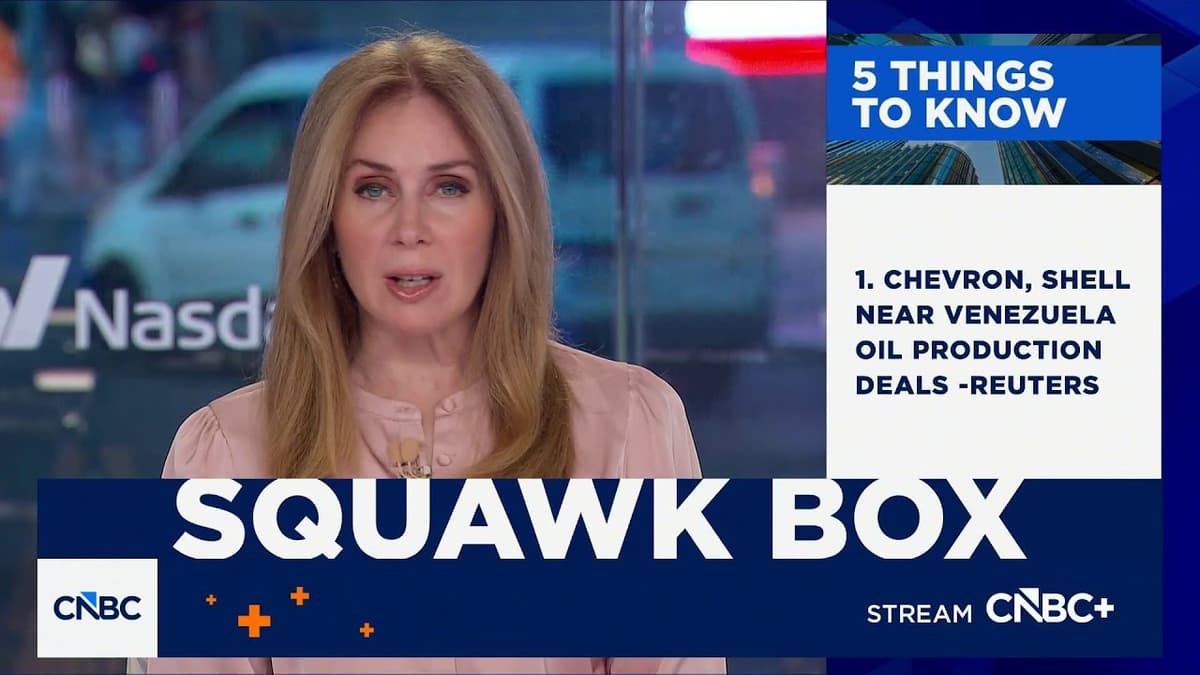
5 Things To Know: March 11, 2026
The video provides a quick briefing of five notable business developments on March 11, 2026, ranging from energy sector deals in Venezuela to leadership changes at Disney, AI adoption in the Senate, the revival of Global Entry, and SoftBank’s PayPay...
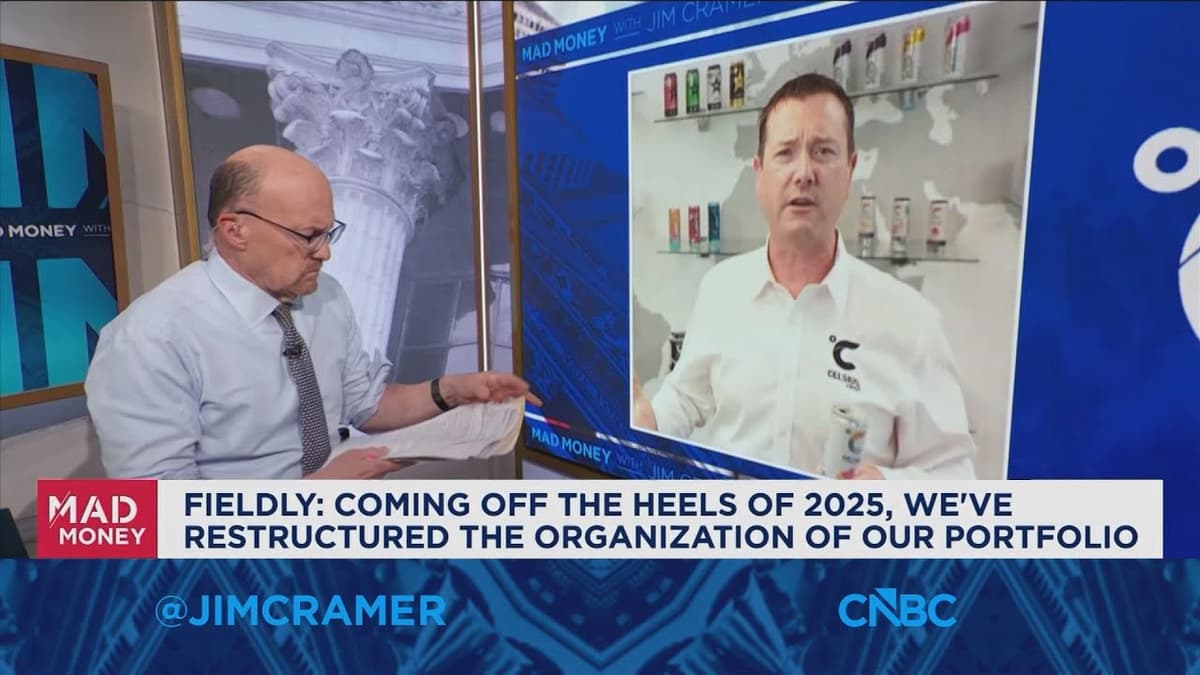
Celsius Holdings CEO John Fieldly: Biggest Opportunity for Us Is the Convenience Channel
Celsius Holdings CEO John Fieldly used the interview to highlight the company’s explosive quarter, noting a 117% jump in sales and a 7% share‑price rally after the results. The discussion centered on how the firm’s expanded brand portfolio and a...
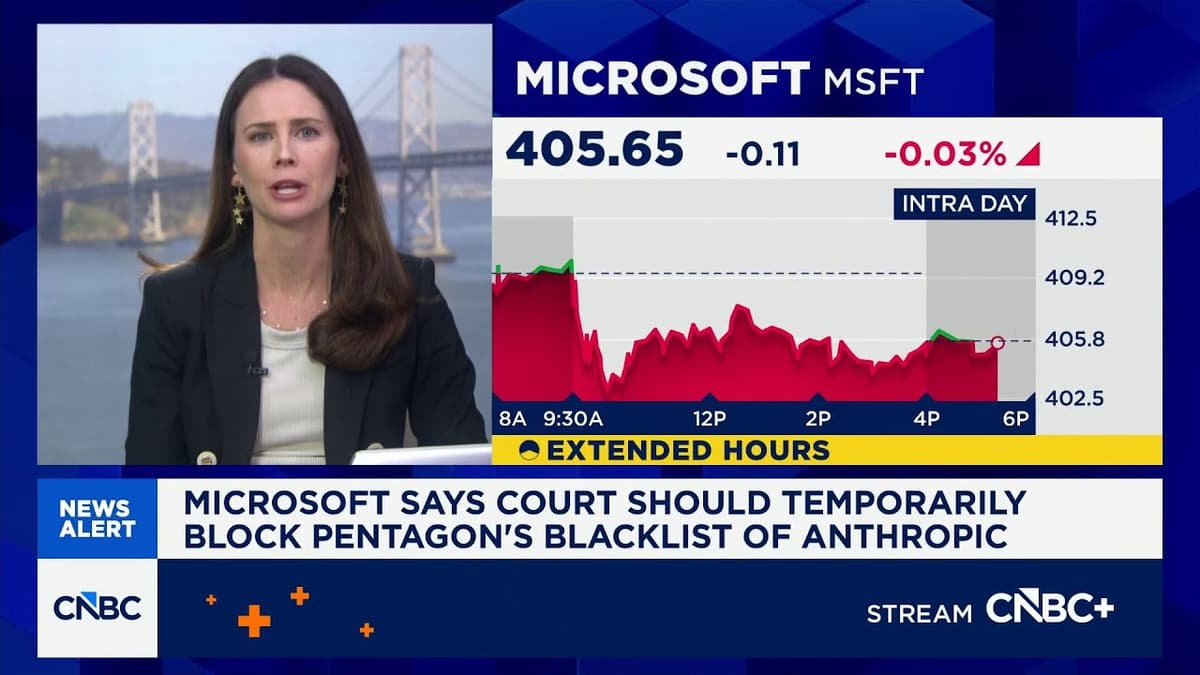
Microsoft Says Court Should Temporarily Block Pentagon's Blacklist of Anthropic
Microsoft has entered the escalating dispute between the Pentagon and AI startup Anthropic by filing an amicus brief that backs Anthropic’s request for a temporary restraining order to block the Department of Defense’s supply‑chain risk designation. The Pentagon’s move to...

David Tepper Sends Scathing Letter to Whirlpool for Destroying Shareholder Value, Pushes for Changes
David Tepper, founder of Appaloosa Management, sent a sharply worded letter to Whirlpool’s board accusing the company’s leadership of eroding shareholder value through an ill‑timed equity issuance. The activist investor argues that the dilution, amounting to hundreds of millions of...
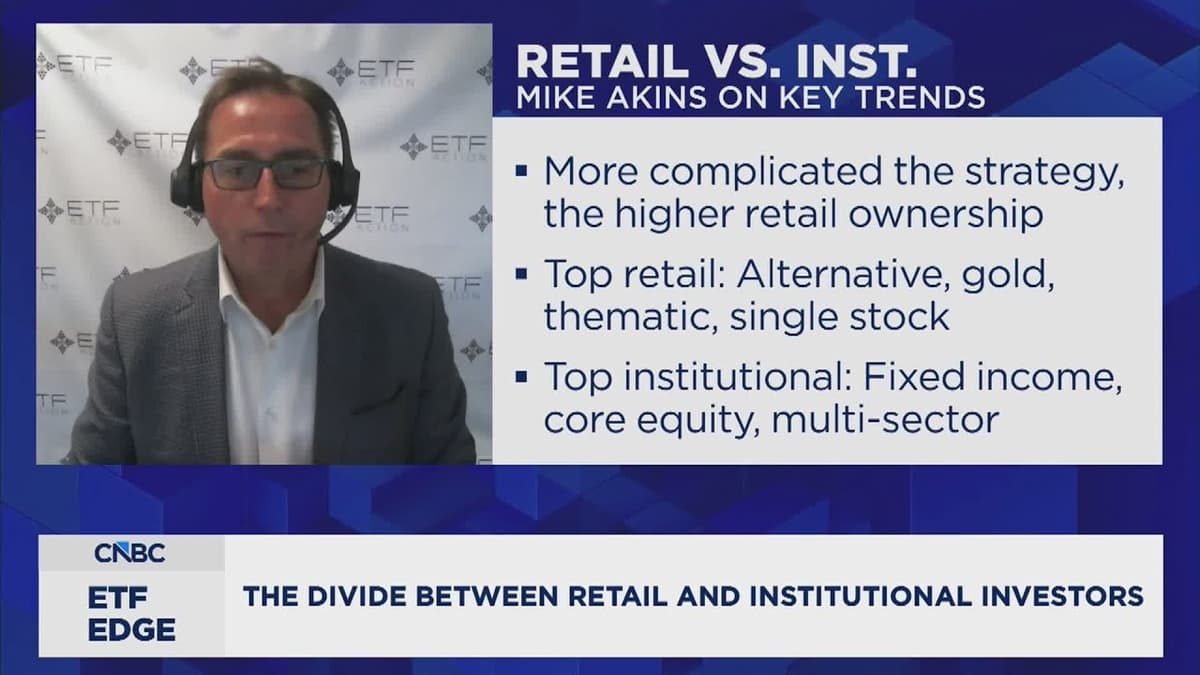
ETF Industry ‘Not Going to Run Out of Innovation’, Says ETF Action Founder
The discussion centers on the ETF industry’s evolving innovation landscape, highlighted by founder Mike of ETF Action. He explains how the market now hosts roughly 5,000 funds managing about $14 trillion, with a clear split between traditional passive products and a...
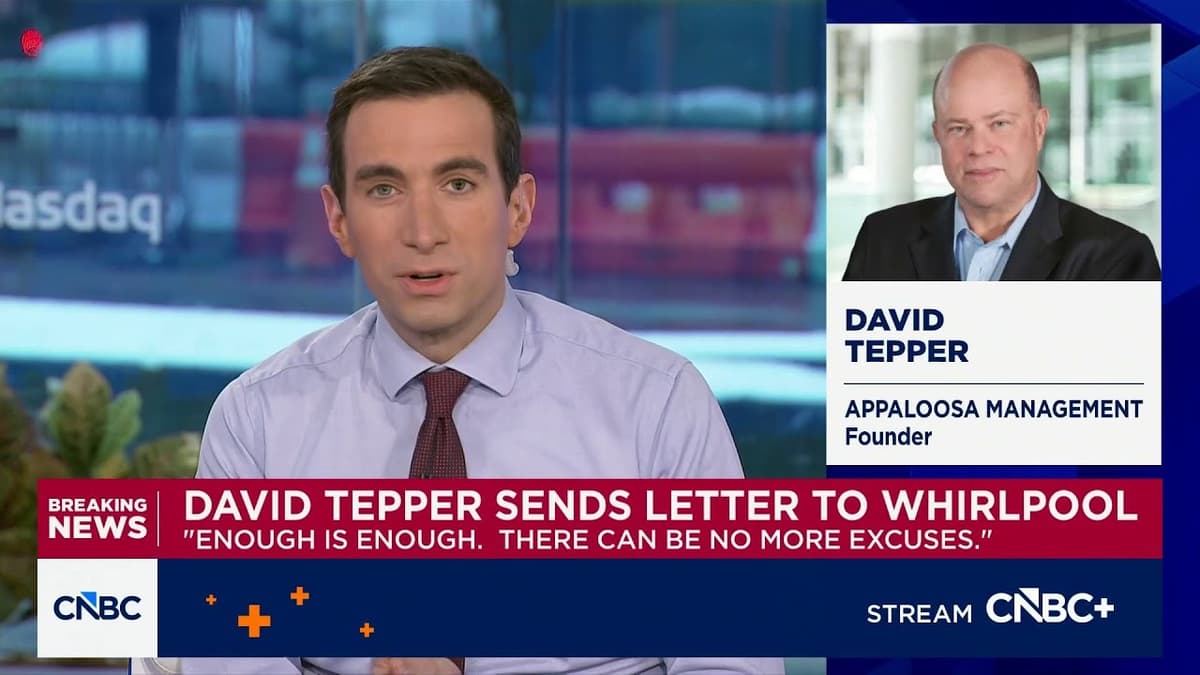
David Tepper Sends Scathing Letter to Whirlpool for Destroying Shareholder Value, Pushes for Changes
Activist billionaire David Tepper, founder of Appaloosa Management, sent a sharply worded letter to Whirlpool’s board accusing the appliance maker’s leadership of erasing hundreds of millions of dollars in shareholder value. Tepper singled out the recent equity raise, which he says...
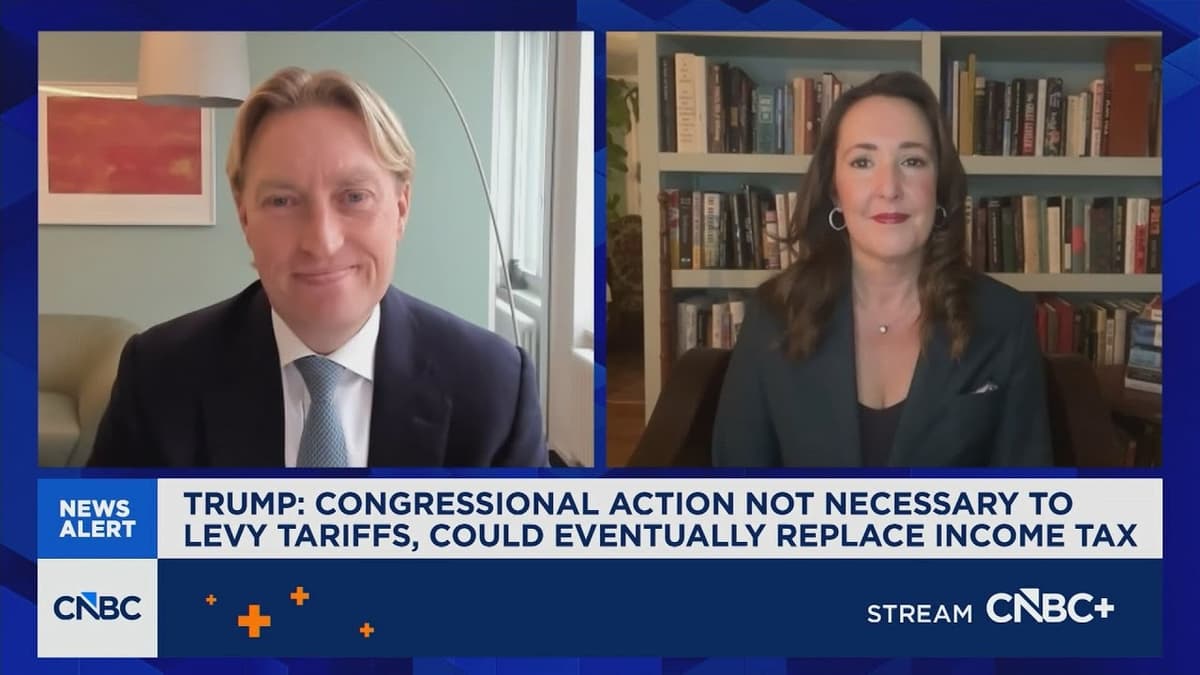
Tariffs, Taxes and AI Power Plans Dominate Outlook After the State of the Union
The recent State of the Union, though lengthy, offered few new policy announcements but highlighted three pillars—tariffs, health‑care subsidies, and a power‑infrastructure push for AI firms—that will shape market expectations. Both UBS’s Marc Anderson and Veda Partners’ Henrietta Treyz agreed that...
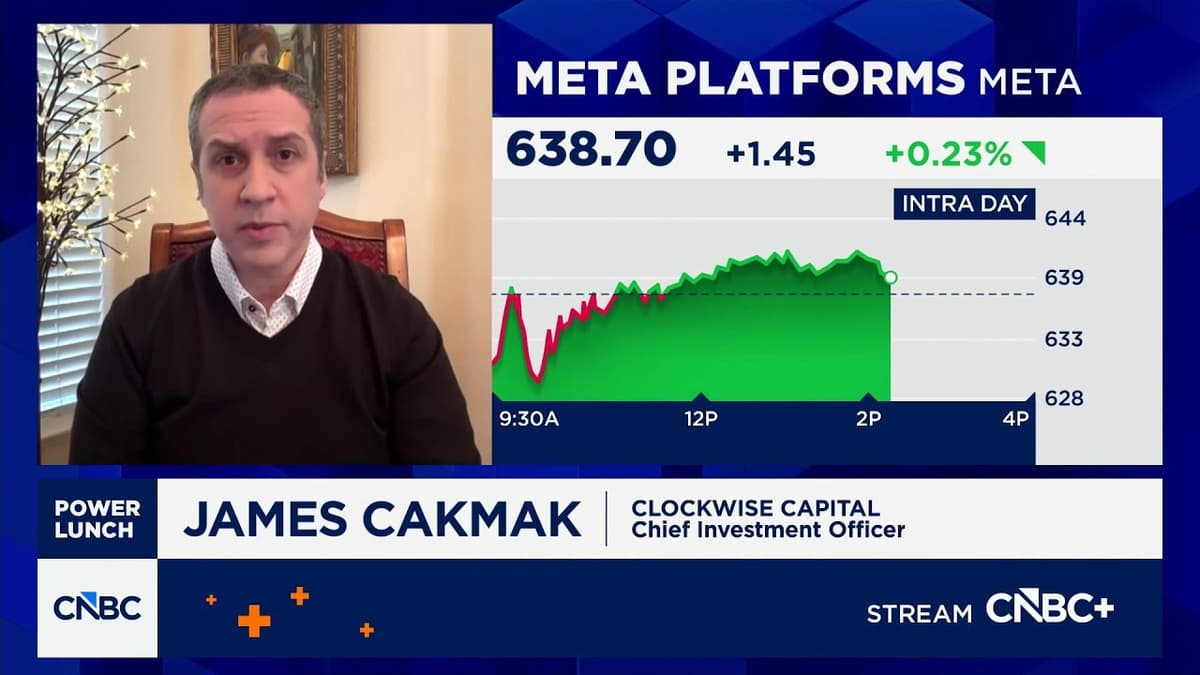
Meta-AMD Deal Makes Sense for Meta but Less so for AMD, Says Clockwise Capital's Jams Cakmak
The discussion centered on Meta’s recent agreement with AMD to secure AI‑chip capacity in exchange for a minority equity stake. Clockwise Capital’s chief investment officer, James Cakmak, framed the deal as a strategic move for Meta, allowing the social‑media giant...

Rick Rieder: Market Will Have a Pretty Good Year but Not in a Straight Line
BlackRock’s senior portfolio manager Rick Rieder told a Miami conference that the U.S. equity market is poised for a “pretty good year,” but the path will be uneven. He linked the outlook to upcoming fiscal policy, Federal Reserve actions, and...
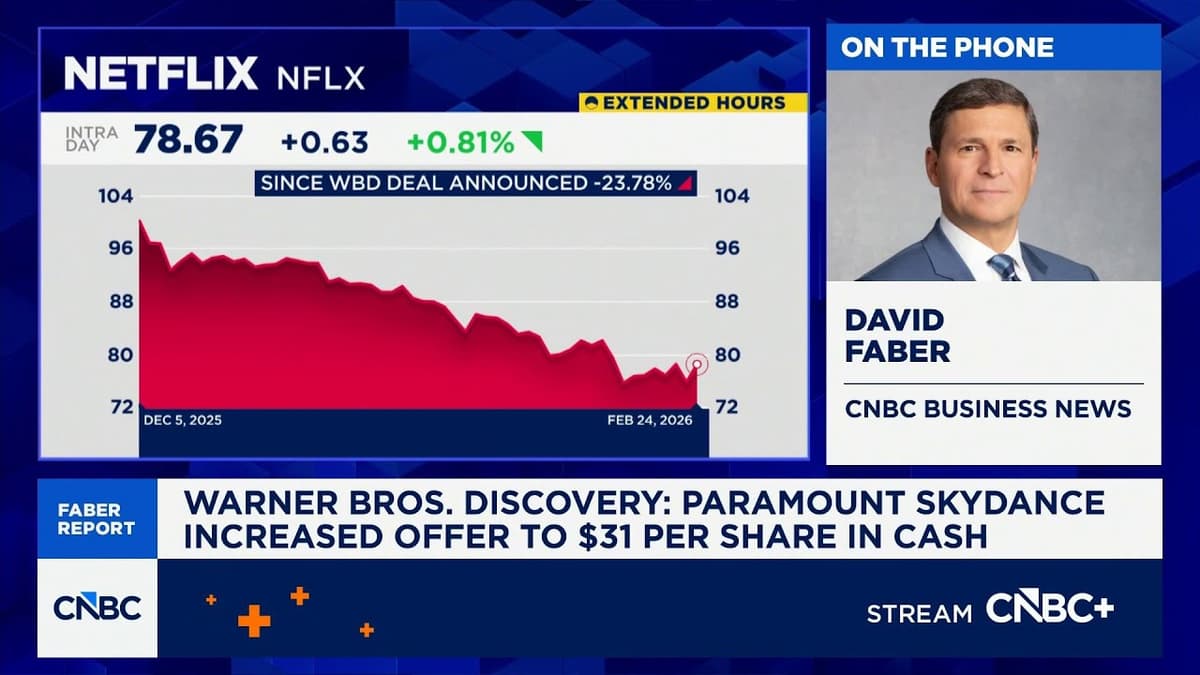
Warner Bros. Discovery: Paramount Increased Offer to $31 per Share in Cash
Warner Bros. Discovery’s board has signaled that Paramount Global’s revised proposal – a $31‑per‑share cash offer – is now considered a superior bid, positioning Paramount as the frontrunner in the contested acquisition. The move follows a brief period in which...
Mad Money 02/24/26 | Audio Only
Jim Kramer opened today’s Mad Money by dismissing the buzzword “halo” – heavy‑asset, low‑obsolescence stocks – as a misnomer for what investors really crave: tangible businesses they can understand. He argued that the market’s current rotation away from once‑loved software...
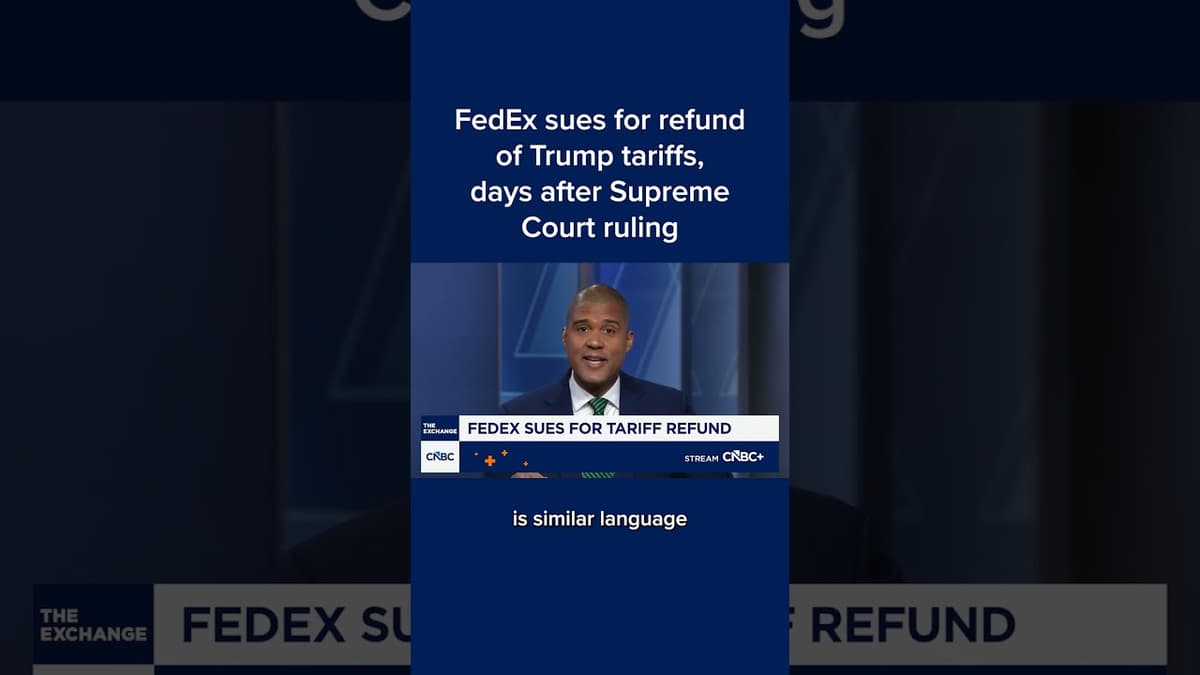
FedEx Sues for Refund of Trump Tariffs, Days After Supreme Court Ruling
FedEx has filed a lawsuit seeking a refund of duties imposed under the Trump administration’s tariff regime, marking the first major U.S. corporation to act after the Supreme Court’s recent decision that companies can pursue such refunds. The carrier is asking...
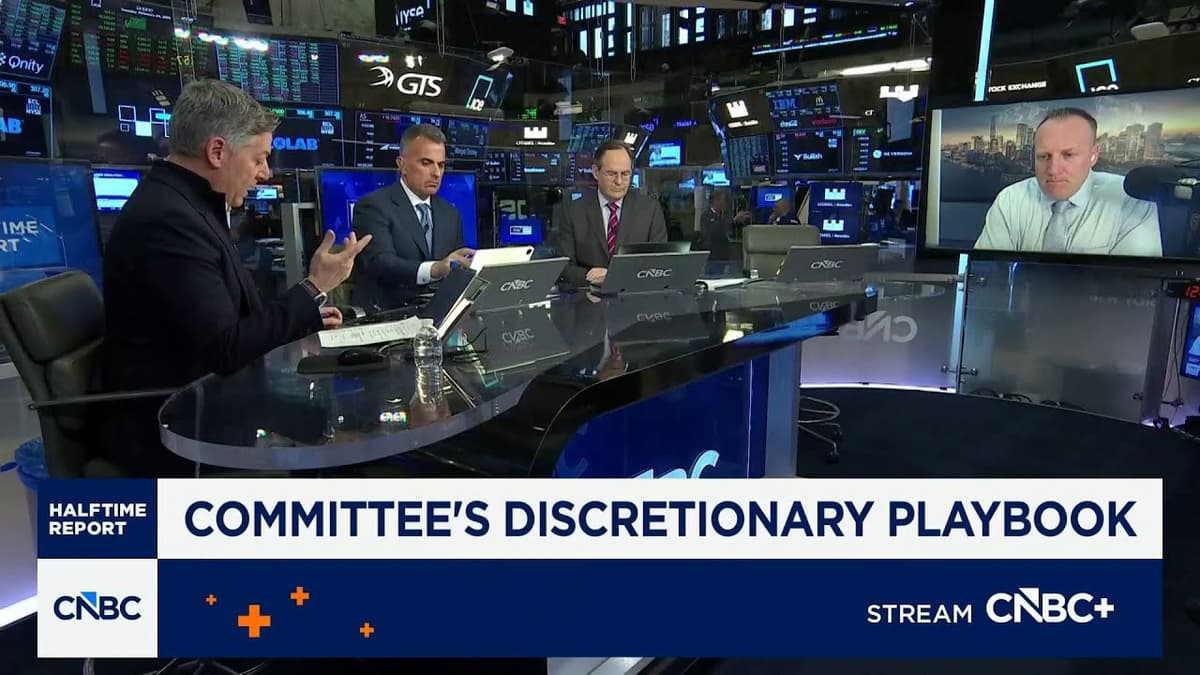
Here's the Committee's Discretionary Playbook
Portfolio managers debated a renewed bounce in consumer discretionary after a better-than-expected consumer confidence print and surprising comps at Home Depot, noting strength in home-improvement names, travel and leisure stocks. Yet several panelists warned the sector’s rally masks uneven internals:...
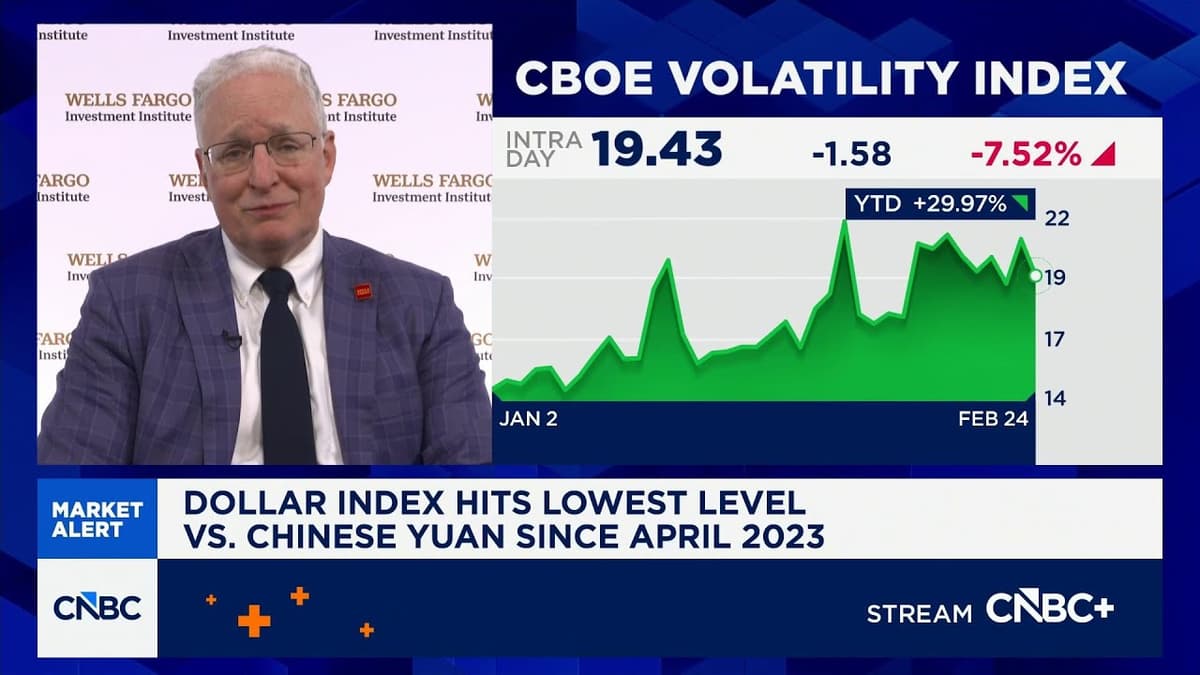
2026 Will Favor U.S. Equities, Says Wells Fargo's Paul Christopher
Paul Christopher, head of global market strategy at Wells Fargo, told Bloomberg’s "The Exchange" that 2026 will be a banner year for U.S. equities. He cited steady corporate earnings, a Federal Reserve likely to keep rates moderate, and a resilient...
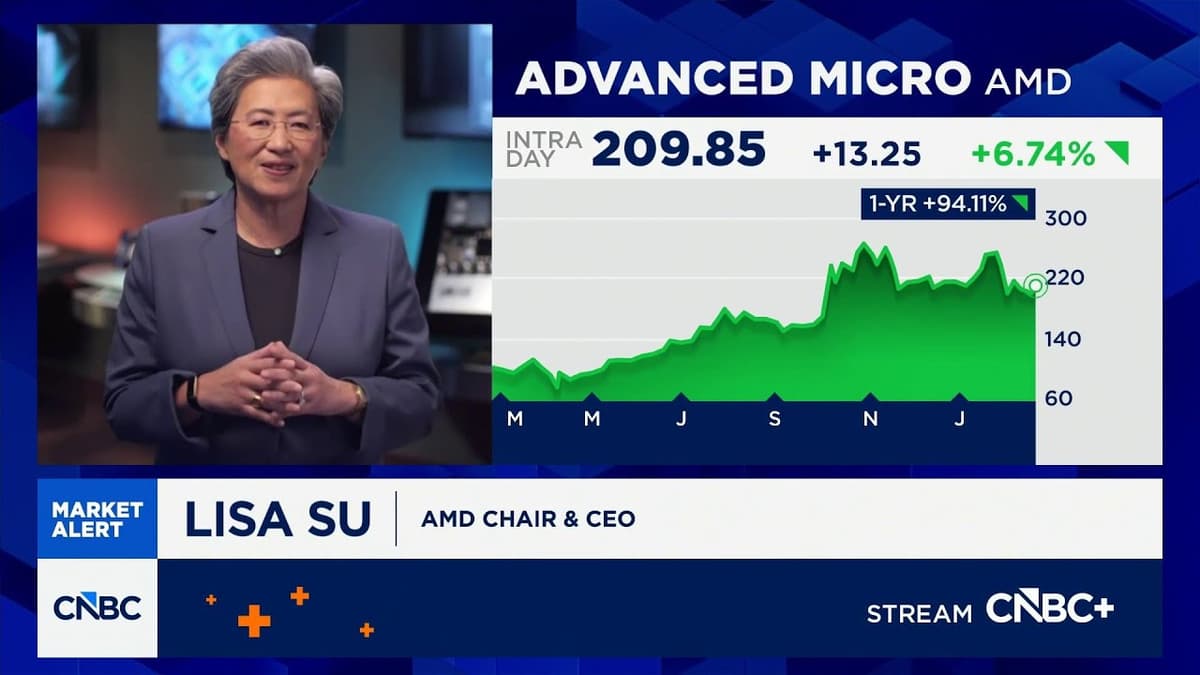
AMD CEO Lisa Su: We Want to Place Bets on Who Will Be AI Winners Going Forward
AMD announced an expanded partnership with Meta that will supply six gigawatts of AI compute power and grant Meta an equity stake of 160 million AMD shares. The agreement, spanning multiple hardware generations over the next five years, is positioned as...

Sen. Warren: Fed Chair Nominee Kevin Warsh Is a 'Sock Puppet'
Senator Elizabeth Warren used a Senate hearing to denounce President‑Trump’s Fed chair nominee, former governor Kevin Warsh, branding him a “sock puppet” who would toe the line for the president rather than act independently. Warren highlighted Warsh’s long‑standing reputation as an...
Sen. Mullin on State of the Economy, SCOTUS Tariff Ruling and U.S.-Iran Tensions
Senator Markwayne Mullin sat down on Capitol Hill ahead of the State of the Union to tout the Trump administration’s economic record and to weigh in on recent Supreme Court, Iran and Mexico policy issues. He framed the upcoming...
Harvard's Jason Furman: SCOTUS Tariff Ruling Ends Trump’s Ability to Arbitrarily Adjust Tariffs
The Supreme Court’s decision to strike down President Trump’s so‑called reciprocal tariffs dominated the recent interview with Harvard economist Jason Furman, highlighting a rare judicial check on executive trade policy. Furman praised the ruling as a reinforcement of the rule...
Mad Money 02/23/26 | Audio Only
Jim Kramer opened Mad Money by warning that a dystopian AI‑driven unemployment scenario – outlined in a speculative 2028 Global Intelligence Crisis paper – is already influencing market sentiment. He linked the paper’s bleak forecast to today’s sharp declines: the Dow...
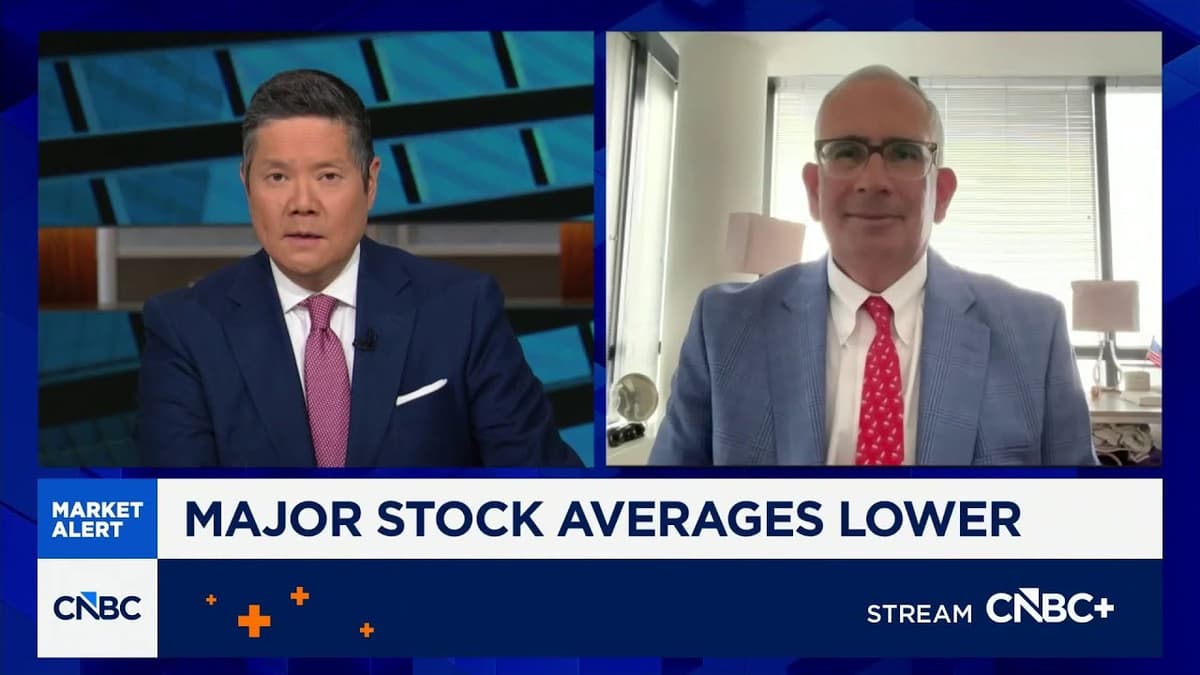
Today Is a Risk-Off Day to Sell the Things that Have Done Well, Says DCLA's Sarat Sethi
Sarat Sethi, managing partner at DCLA, warned that today’s market is a classic risk‑off day, urging investors to unload recent winners as broader uncertainty weighs on equity prices. She linked the sell‑off to lingering tariff disputes, a still‑elevated Fed rate outlook,...
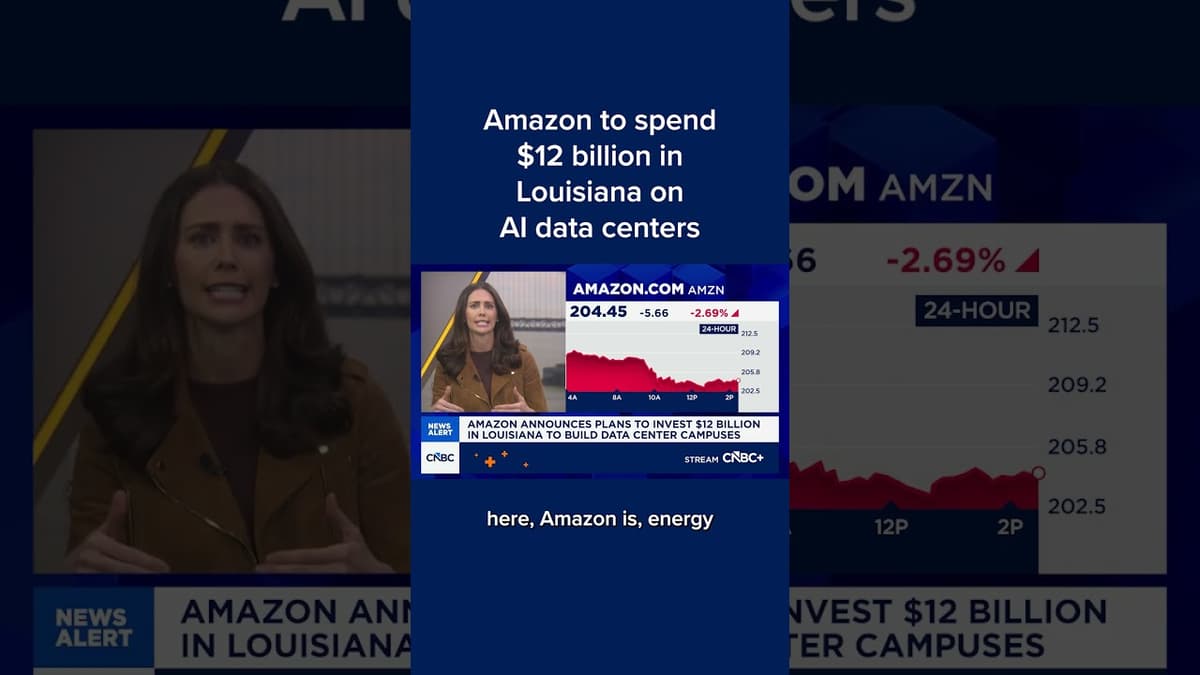
Amazon to Spend $12 Billion in Louisiana on AI Data Centers
Amazon announced a $12 billion investment to build its first AI‑focused data‑center campuses in Louisiana, marking a major expansion of AWS’s cloud and artificial‑intelligence infrastructure in the Gulf Coast region. The rollout promises 540 full‑time data‑center positions and supports roughly 1,700 ancillary...
Software Earnings Vs. AI Disruption
The segment’s focus is the widening gap between robust software earnings and mounting fears that generative‑AI agents could render traditional enterprise applications obsolete. A viral investment‑newsletter essay titled "The 2028 Global Intelligence Crisis" sparked the conversation, prompting analysts to compare...
Squawk Pod: Blizzards & Tariffs Hit Washington - 02/23/26 | Audio Only
The SquawkPod episode opened with a dual focus: a Supreme Court ruling that declared President Trump’s tariffs imposed under the International Emergency Economic Powers Act illegal, and a severe winter storm battering the Northeast United States. Wall Street analysts...
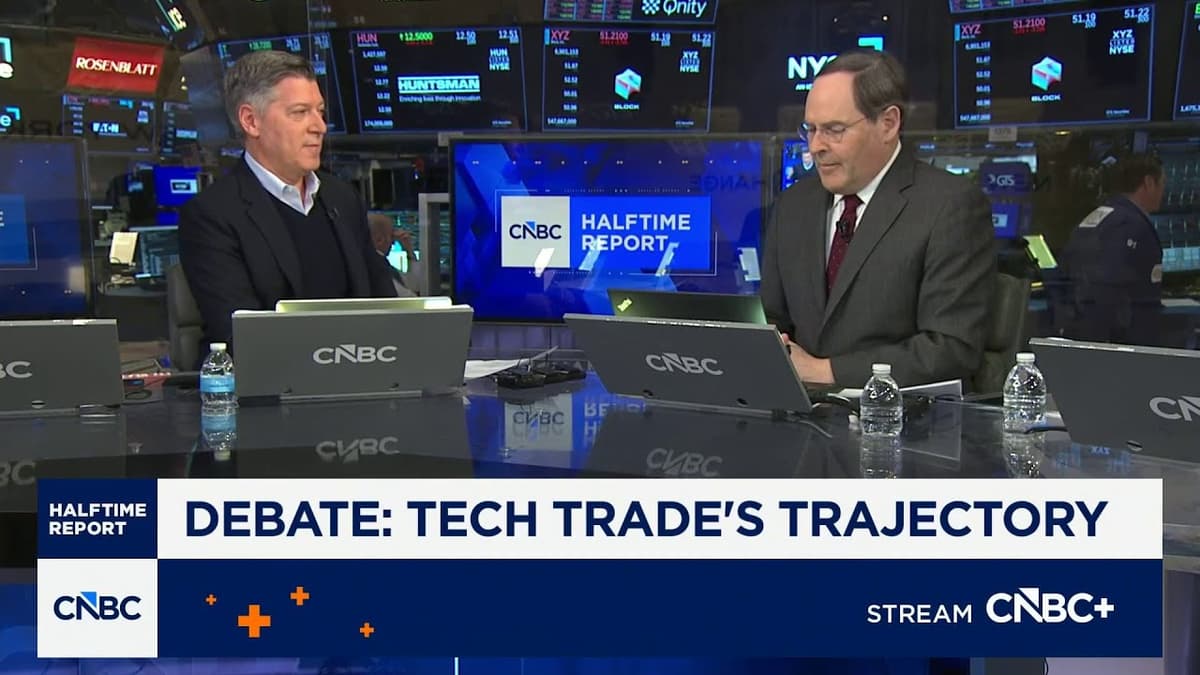
The SCOTUS Tariff Decision Fallout: What It Means for Markets
The half‑time report focused on the market fallout from the Supreme Court’s recent decision on the Trump‑imposed tariffs, highlighting a sharp sell‑off as investors digest the ruling and the President’s continued criticism. The Dow slipped more than 700 points, with roughly...
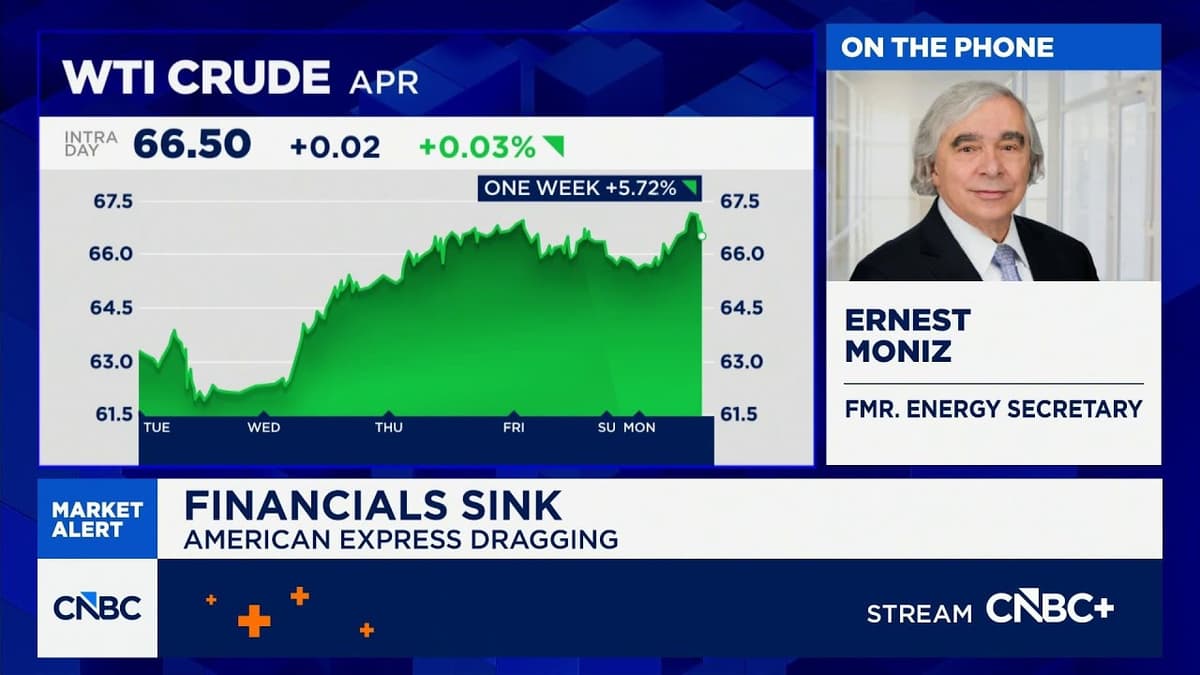
How a Potential U.S. Strike on Iran Could Affect Oil Volatility
The video examines how a potential U.S. military strike on Iran could reverberate through global oil markets, focusing on the risk of heightened volatility amid ongoing nuclear negotiations. Former Energy Secretary Ernest Moniz argues that, structurally, the market is currently...
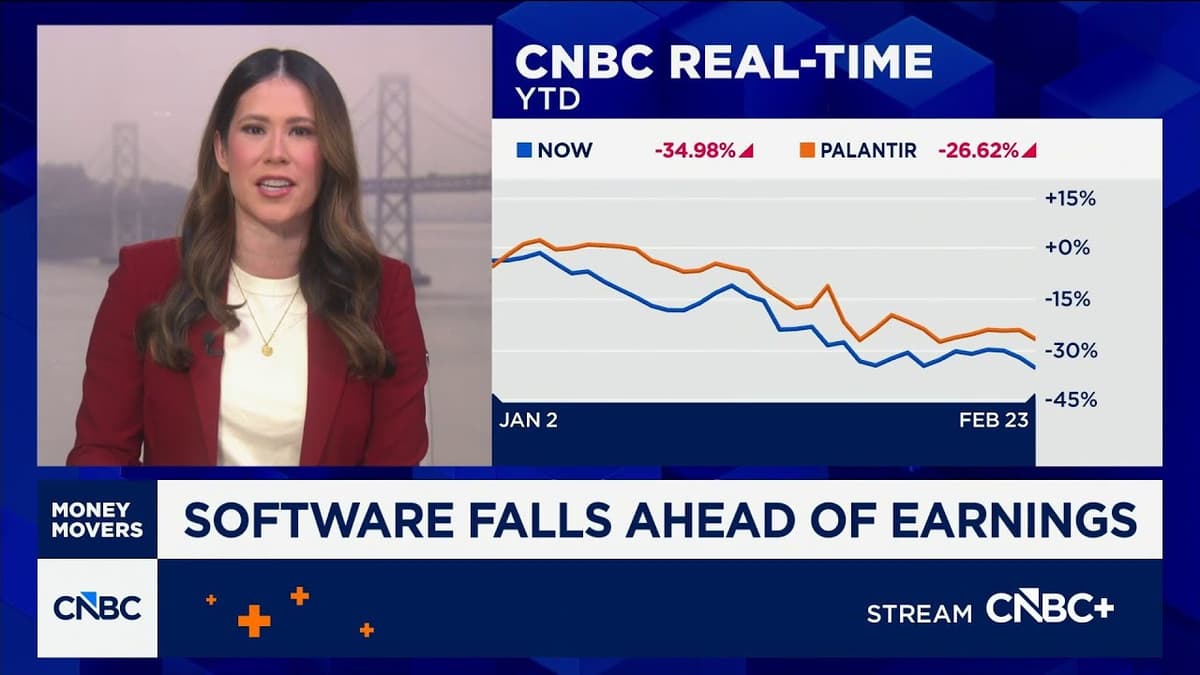
Navigating the Saas-Pocalypse
The segment’s focus is the so‑called “SaaS‑pocalypse,” a market‑wide panic that artificial‑intelligence breakthroughs could render traditional enterprise software obsolete. After a week of double‑digit drops in Salesforce, Snowflake and other marquee names, analysts warn that even strong quarterly results...