
Federal Tech Overhaul Mandated as Trucking Identity Theft Skyrockets
An amendment to the BUILD America 250 Act would force the Federal Motor Carrier Safety Administration to deploy automated tools that flag suspicious commercial‑vehicle registrations. The proposal, championed by Rep. Brad Knott, responds to a 1,500% surge in cargo fraud since 2021 and a 31% year‑over‑year rise in deceptive pickup incidents, which now represent 10% of all thefts in Q1 2026. Lawmakers say outdated DOT systems enable criminals to steal corporate identities and operate “Chameleon Carriers.” The measure cleared the House Transportation and Infrastructure Committee with unanimous bipartisan support.

CCJ Tech Shorts: A Self-Service Shipment Troubleshooting Tool
The weekly CCJ Tech Shorts highlighted several innovations reshaping fleet and freight operations. Alliant Insurance Services introduced FleetLytics, a real‑time analytics platform that merges telematics, safety and claims data to help underwriters price risk more accurately. Transfix launched an AI‑powered...

What Is Dedicated Transportation?
Dedicated transportation, often called DDC, is framed through four lenses: cost stability, risk transfer, operational control, and model clarity. Unlike traditional spot‑market shipping, it prioritizes cost predictability by allowing carriers to flex fleet size as demand fluctuates, avoiding expensive expedited...

Fleetworthy Unifies Toll, Bypass and Compliance Into One Platform
Fleetworthy has integrated its three core brands—Fleetworthy, Drivewyze and Bestpass—into a single, AI‑enabled platform that unifies safety, compliance, toll management and weigh‑station bypass. The consolidation eliminates separate logins and siloed data, allowing fleets to manage vehicles, transponders and compliance fields...

What If Driverless Trucks Suddenly Become Cheap and Diesel Stays Expensive??
Rick Mihelic’s speculative piece examines five "what‑if" scenarios that could reshape U.S. trucking. He imagines Tesla ramping up to 50,000 electric Class 8 trucks a year by 2030, a merger that removes 2.8 million diesel rigs from the road, diesel fuel staying...

Freight Sector Braces for Turbulence Despite Cautious Optimism
Freight sector outlook shows modest GDP growth, with Q1 2026 freight‑related GDP rising about 2% despite weak 0.5% Q4 2025 growth. Consumption slipped below the 2‑4% target, while investment stayed strong, propelled by data‑center construction and AI demand. Economist Bill...

Linxup Integrates with Draivn to Streamline Insurance Data
Linxup has partnered with Draivn to turn its GPS telematics data into real‑time risk analytics for commercial auto insurers, promising faster, more accurate underwriting. Outpost unveiled a second‑generation gate‑automation kiosk that can be installed in a single day, improving driver...

Highway Bill Takes Aim at 'Predatory' Lease-Purchase Agreements
New federal legislation embedded in the BUILD America 250 Act would ban predatory commercial truck lease‑purchase agreements. The bill directs the Secretary of Transportation to issue regulations within two years, requiring carriers to disclose driver compensation, mileage, lease terms, and...

Hidden Operational Costs That Kill Trucking Margins
Trucking carriers are losing millions to hidden claims‑related expenses such as appraisal supplements, towing, storage, and missed subrogation recoveries. Industry data shows 25% of appraisals require supplemental payments averaging $3,000, while towing incidents can add $15,000 plus daily storage fees....

California Introduces New $1B Electric Truck Rebate Program
California Air Resources Board launched the California Clean Fuel Reward, a $1 billion rebate program for electric medium‑ and heavy‑duty trucks. Rebates range from $7,500 for Class 2b trucks up to $120,000 for Class 8 vehicles, with $250 million available in 2026 and over...

Lytx's Project Hercules: Custom Detections for Fleets
Lytx unveiled Project Hercules at its Protect conference, a prototype that lets fleet operators create custom AI detections using plain‑language prompts. The cloud‑based tool can ingest video from Lytx cameras or any source, allowing users to define rules—such as driver...

Trucking Groups Oppose Suspending Fuel Tax
Three major trucking groups—ATA, the Truckload Carriers Association, and the National Tank Truck Carriers—issued a joint statement opposing any suspension of the federal fuel tax. They argue the holiday would deliver only about $0.30 weekly savings per driver while depriving...

International Motors Launches My International Digital Fleet Ecosystem
International Motors launched My International, a connected digital ecosystem that consolidates fleet management, dealer communication, and telematics into a single desktop and mobile interface. The platform leverages factory‑installed connectivity and third‑party data to provide remote diagnostics, OTA parameter updates, and...

Lytx Previews AI Agents at Its Annual Protect Conference
Lytx announced beta testing of its Lytx AI Assistant and purpose‑built AI Agents at the Protect 2026 conference. The agents—Risk Analyst, Campaign Builder, and Fleet Strategist—are trained on each fleet’s data to automate event triage, training campaign creation, and complex pattern...
How Are Trucking Fleets Using AI?
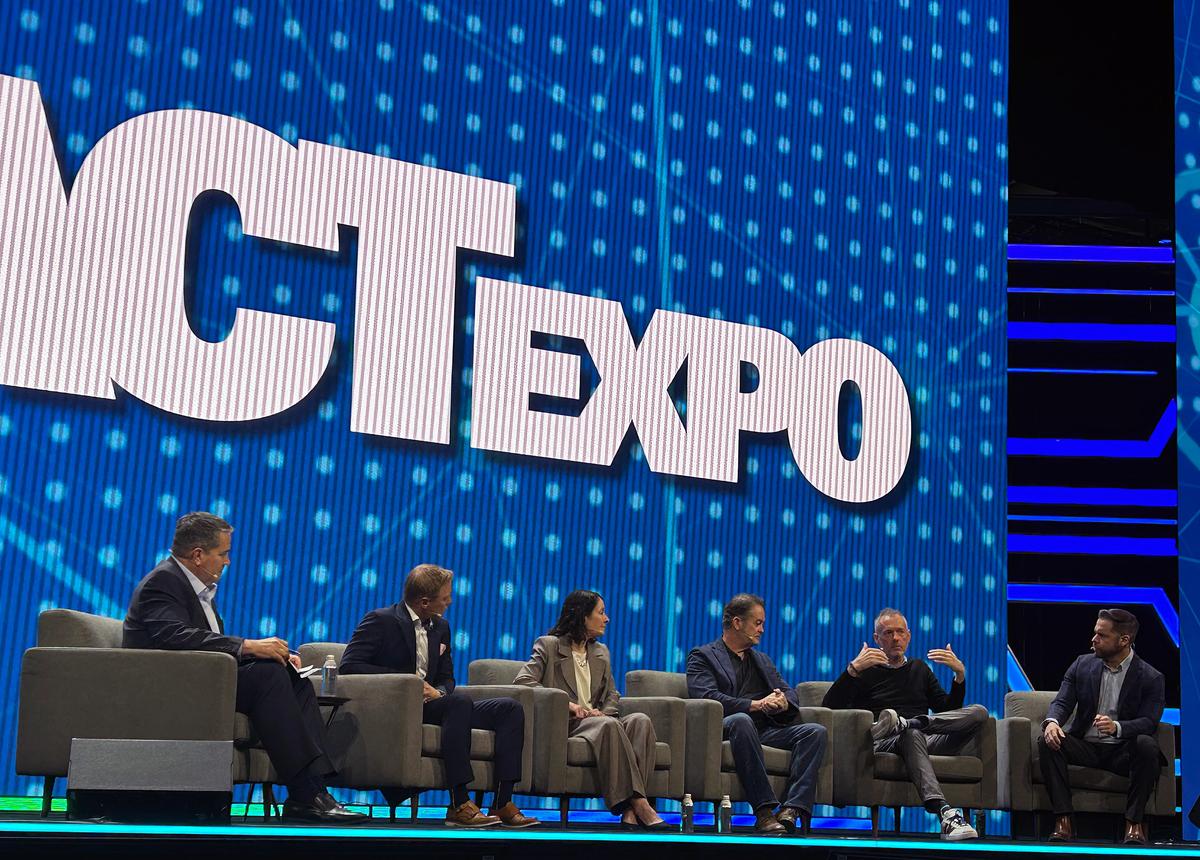
AI has moved from concept to operational core, with nearly half of surveyed fleet managers now deploying it. Real‑time route optimization alone can slash fuel and operating expenses by up to 50%, while predictive maintenance and AI‑driven safety systems deliver...