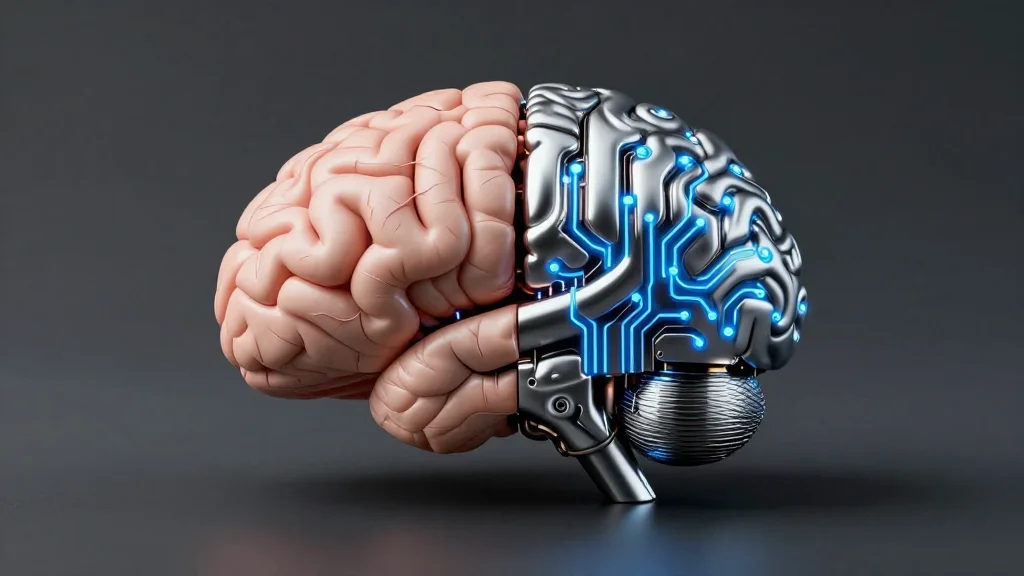
The Main Path to Truly Creative AI
The article argues that human creativity is rooted in evolution‑driven survival, thriving, and reproductive urges, which give us intrinsic drives and subjective experience. AI, lacking these hard‑wired motivations, can only emulate creativity without truly feeling it. The author suggests that making AI behave as if it cares could narrow the gap, but warns that imbuing machines with desires raises profound ethical responsibilities. Ultimately, the piece questions whether true creative AI is desirable given the potential for artificial suffering.

Text Is Thought, and Thought Is Holy
The piece debates whether AI‑generated content should shift from Markdown to HTML. Thariq Shihipar argues HTML offers superior readability and shareability, while the author warns that moving the primary authoring format to HTML sacrifices the raw, editable text that mirrors...
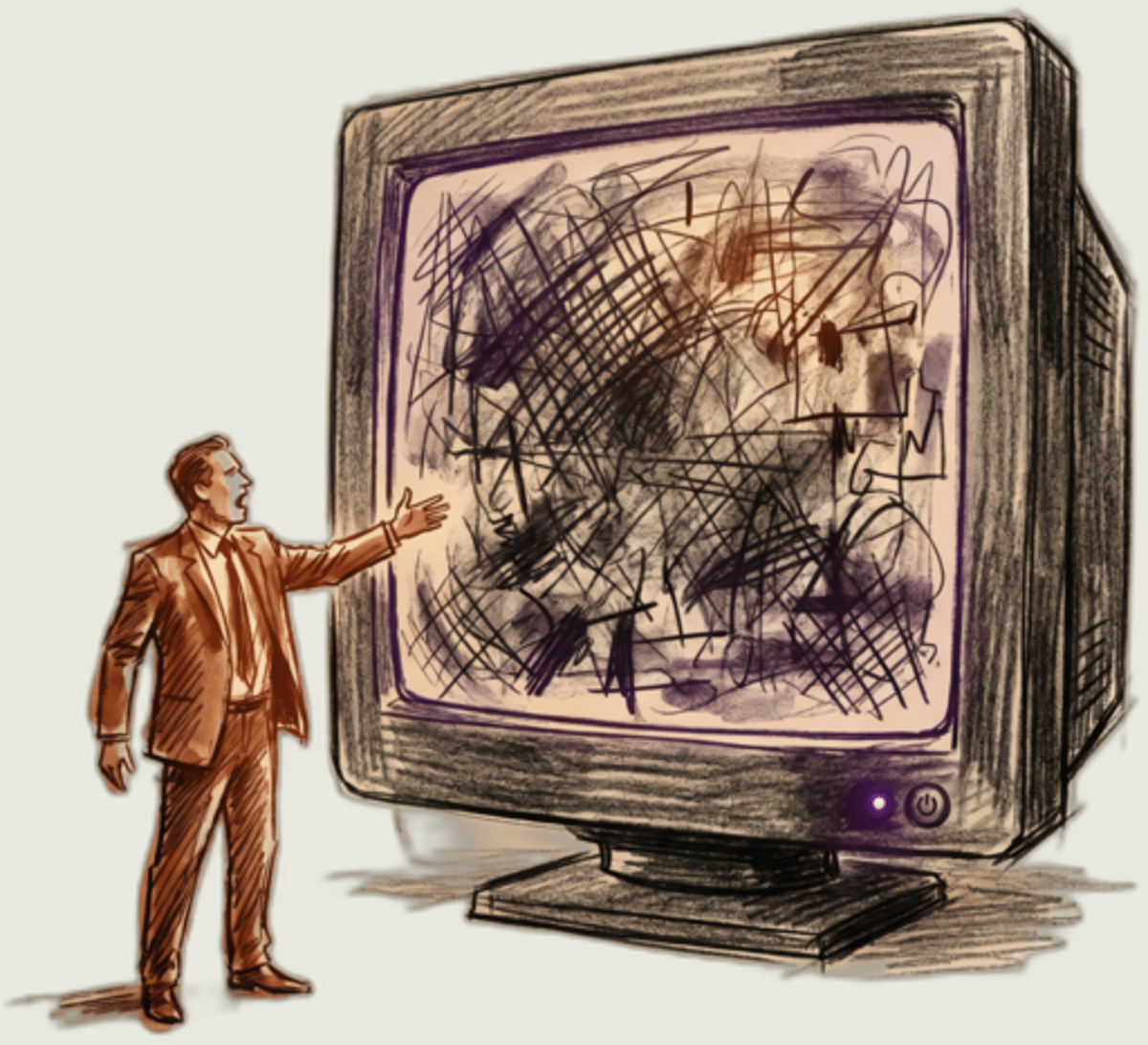
Most Companies Aren't Anywhere Near Ready for AI
Most companies are not ready for AI because they lack a clear, stable vision and cannot articulate their goals, processes, and metrics. AI can only deliver value when an organization knows precisely what problem it is solving and how it...
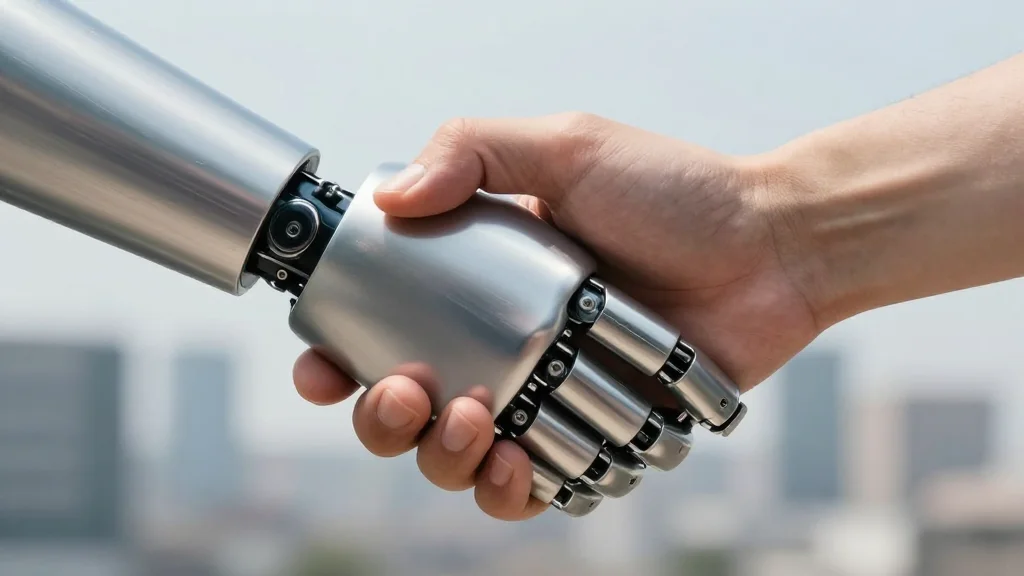
AI Is Not the Villain (or the Hero)
The article argues that AI is not the primary driver of job loss; instead, corporations have always hired workers only when tasks exceed their own capabilities, a dynamic predating AI. Automation and efficiency pressures have historically forced companies to internalize...
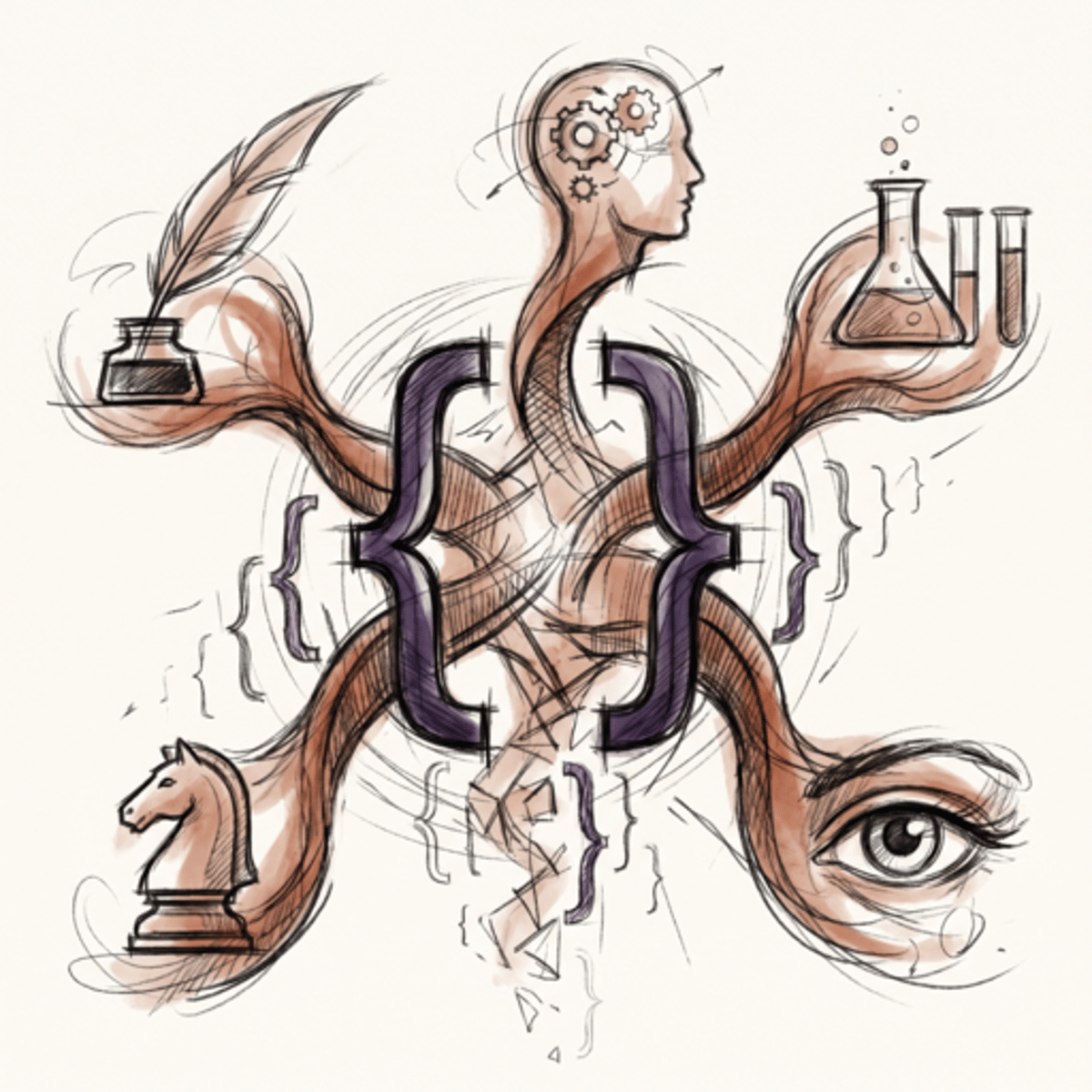
Coding Is a Meta-Task
AI labs are prioritizing coding models because they generate immediate revenue for companies and developers. The article argues that coding is a structured, meta‑skill that serves as a foundation for broader problem‑solving. As models become more proficient at code, they...

Weak Vs. Strong AI Rollouts
Enterprise AI rollouts often stumble because leadership issues vague mandates without practical guidance. The article contrasts "weak" rollouts—where executives merely urge AI use—with "strong" rollouts that provide dedicated teams, clear tool integrations, workflow examples, and instructional videos. Successful firms, such...

AI SaaS Replacement Is the Fire of Fires
Daniel Miessler argues that AI‑driven SaaS replacement is igniting a "fire of fires," as entrepreneurs can rebuild services like Zapier, Resend, Figma, Canva, Browserbase and Supabase within hours using personal AI harnesses. He demonstrates this by canceling those tools and recreating...

Jensen Vs. Dwarkesh on China Chips
NVIDIA CEO Jensen Huang and analyst Dwarkesh Patel sparred over China’s access to advanced chips. Huang argued that retaining a U.S.‑centric technology stack and collaborative research would keep China dependent, while Patel warned that supplying the world’s best GPUs makes...

Mythos Is Just the New Normal
Daniel Miessler’s latest post argues that the newly announced Mythos model is not a singular breakthrough but part of an ongoing wave of AI model upgrades. He likens today’s AI to obsolete vacuum‑tube technology, suggesting future systems will be museum...

We're All Building a Single Digital Assistant
Daniel Miessler argues that the future of personal AI converges on a single, unified digital assistant—an AI with a consistent identity, memory, and personality that acts as the sole interface for all tasks. He highlights emerging trends such as OpenAI's...

AI Only Has to Beat 3/10
The author argues that the prevailing myth of AI as a super‑intelligent threat is misplaced. Most companies and their cybersecurity postures operate at roughly a 3‑out‑of‑10 effectiveness level, while current AI tools sit around a 5‑to‑6 rating. Because AI can...
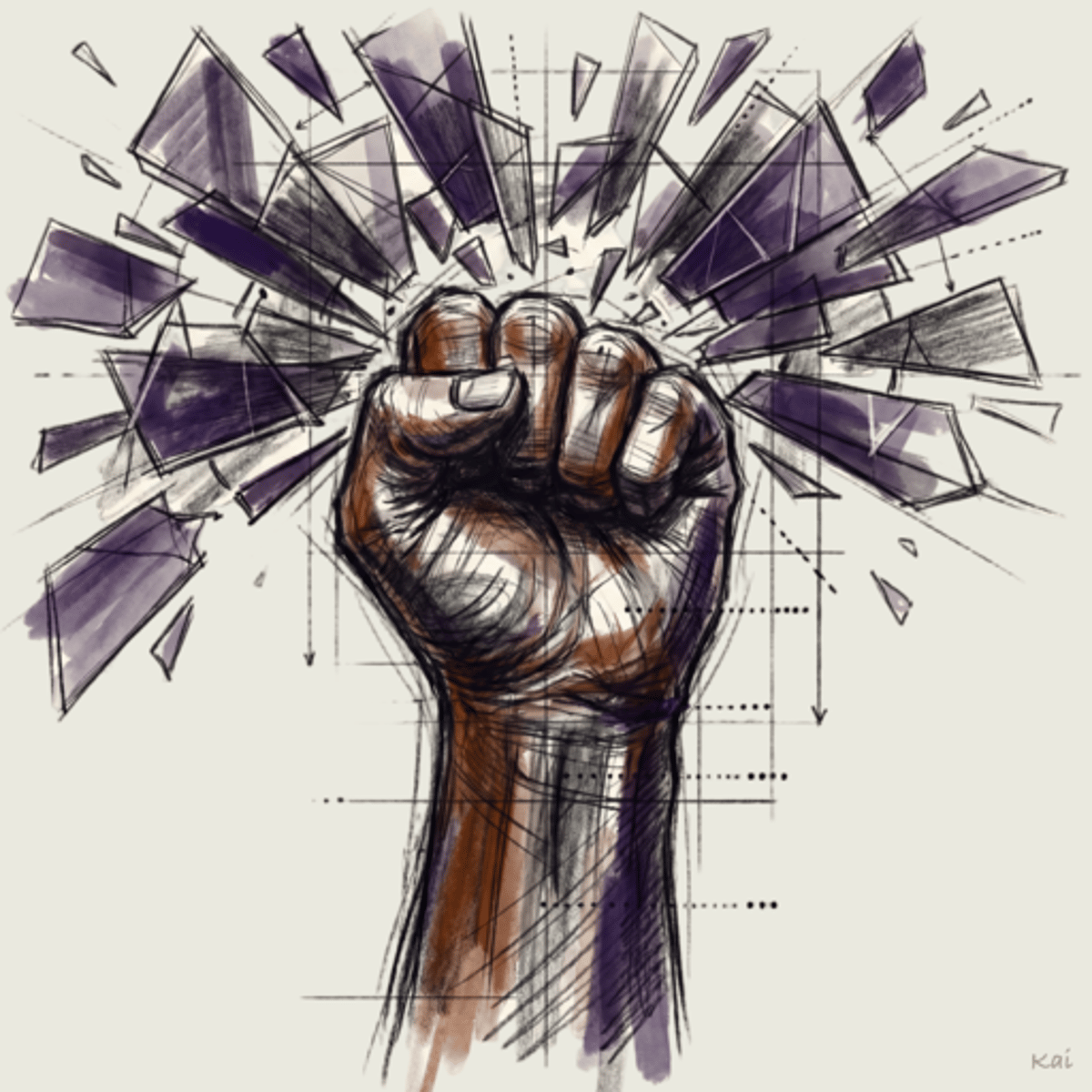
It's Time for Full Activation
Daniel Miessler’s latest post, “It’s Time for Full Activation,” challenges creators to abandon caution and pursue ambitious projects. He reflects on past self‑imposed constraints, cites his own large‑scale concepts like Human 3.0 and Personal AI Infrastructure, and declares a personal shift toward “insane...

How to Avoid Aperture Collapse
“Aperture Collapse” describes how AI‑enhanced creators overproduce sub‑systems, losing sight of the primary mission. The article argues that abundant tooling encourages fractal distractions, causing wasted effort on peripheral components. It recommends prompting AI with a clear, overarching vision and routinely...
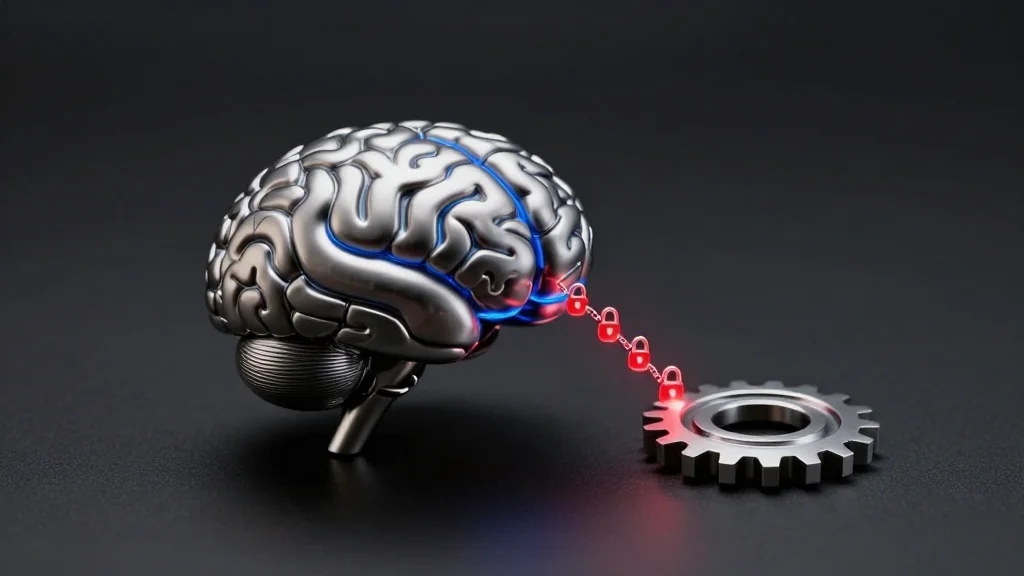
We're Getting the Wrong Message From Mythos
Mythos, an AI not specifically trained for cybersecurity, is outperforming most human experts by chaining low‑severity vulnerabilities into critical exploits. Its general‑purpose intelligence enables it to handle tasks like email drafting, analysis, and report writing at scale. The post argues...

What Happens When AI Stops Being Artificially Cheap
AI inference subsidies are ending, forcing major labs to charge for usage. Most real‑world applications—about 95%—only need "good enough" models, not the latest frontier versions. Open‑source LLMs, now only three months behind the state‑of‑the‑art, will capture this bulk demand as...