
PDBe-SIFTS for Protein Sequence-Structure Mapping
PDBe‑SIFTS has been released as a fully open‑source, locally deployable software package that maps UniProtKB protein sequences to three‑dimensional structures in the Protein Data Bank. The tool replaces the legacy BLAST‑based workflow with MMseqs2, shrinking search times from roughly six hours to ten minutes. An updated scoring scheme delivers top‑rank mapping accuracy in over 93% of cases, comparable to manual curation. A structural refinement step further corrects about two percent of chain alignments across the entire PDB archive.

Providing a Cellular ‘All-Clear’ Signal to Resume Protein Synthesis
Scientists at EMBL and the University of Virginia identified a previously unknown protein, SNOR, that binds to ribosomes in glucose‑starved yeast and induces a dormant, low‑translation state. Using in‑situ cryo‑electron tomography and visual proteomics, they mapped SNOR at the ribosomal...
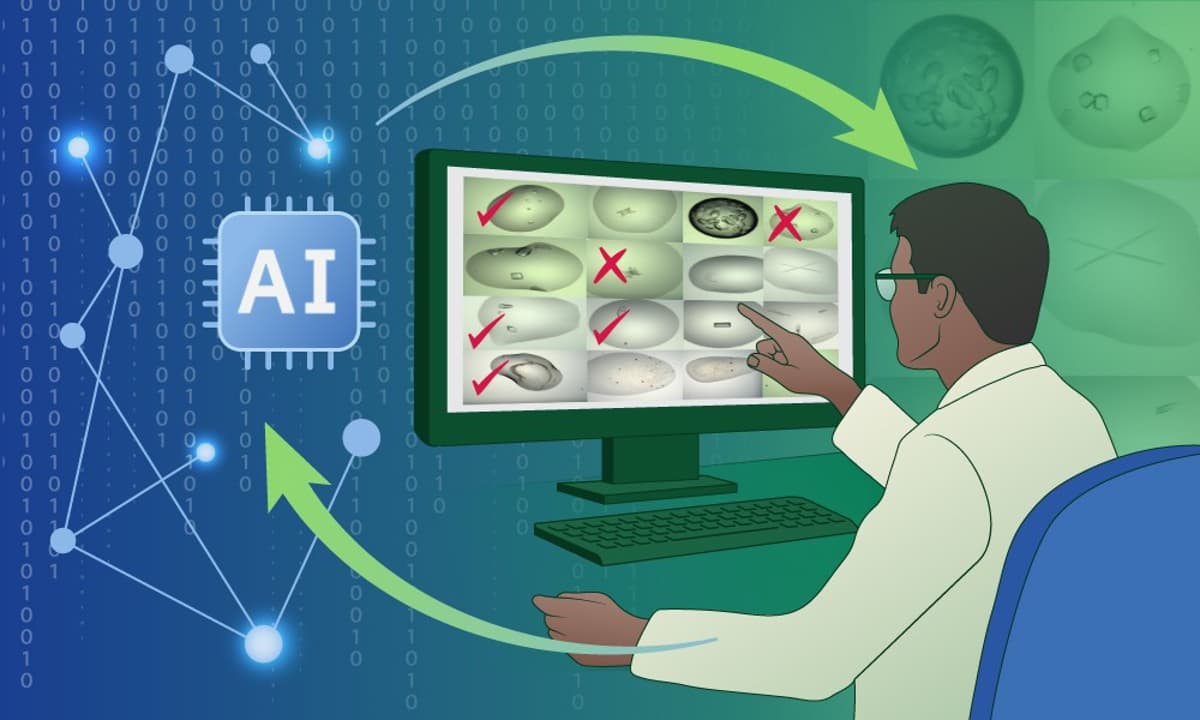
AXIS: A Lab-in-the-Loop Machine Learning Method for Automating Crystal Screening
EMBL Grenoble’s Marquez Team unveiled AXIS, an AI‑driven crystal identification system that automates the screening of thousands of crystallisation images. Integrated into the Crystallographic Information Management System (CRIMS) as CRIMS‑AXIS, the tool uses a Vision Transformer model refined through a...
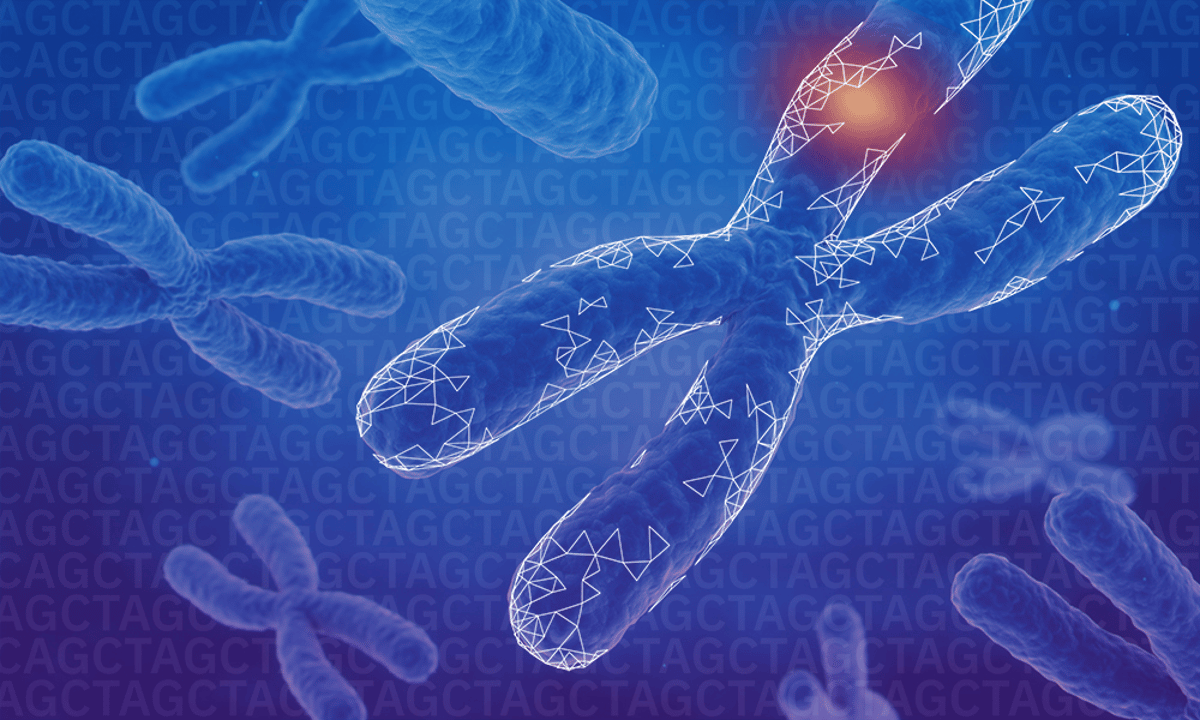
Case Study: Data Sharing Through DECIPHER Supports Rare Disease Research and Clinical Care
The European Genomics Initiative’s DECIPHER platform now hosts data from the University of Bristol’s GenROC study, which has collected clinical and parent‑reported information on nearly 550 children with rare neurodevelopmental disorders. DECIPHER already contains genetic and phenotypic records for more...

Unlocking the Value of Biodiversity in the UK and Ireland
Sequencing the DNA of all complex life in the UK and Ireland, the Darwin Tree of Life (DToL) project plans to generate reference genomes for 30,000 eukaryotic species. A Frontier Economics report estimates the initiative could deliver up to $3.8 bn...

Spatial Transcriptomics Portal: Seeing Gene Expression in a Spatial Context
EMBL‑EBI’s BioImage Archive and Functional Genomics teams have launched the Spatial Transcriptomics Portal, a pilot platform that merges imaging and molecular data to map gene activity within tissue contexts. The portal introduces harmonised metadata standards, creating a single entry point...

From Biological Principles to AI and Back Again
The EMBL‑EMBO AI and Biology symposium in March 2026 highlighted a paradigm shift: artificial intelligence is moving from pattern‑matching to uncovering causal mechanisms in life sciences. Researchers showcased interpretable deep‑learning models for RNA splicing, probed AlphaFold2’s confidence, and revealed hidden...

Mapping the Microbial Communities Beneath Our Feet and Inside Our Guts
EMBL‑EBI’s MGnify platform has expanded its biome catalogue resource to cover 18 distinct environments, now housing over half a million microbial genomes, including a human gut collection of nearly 300,000 genomes. The catalogues combine metagenome‑assembled genomes and isolate sequences, providing...

Study Shows How Lymph Node Architecture Affects Cancer Growth
Researchers from EMBL Heidelberg and partner institutions have created the first detailed map of immune and stromal cell organization within human lymph nodes, revealing how this architecture deteriorates in lymphomas. They discovered an inflammatory vicious cycle where T‑cell interferon signals...

Welcome: Stephanie Lo
Stephanie Lo has been appointed Protein Function Content Team Leader at EMBL‑EBI, overseeing the curation of protein function data for UniProt. She brings experience from leading the Global Pneumococcal Sequencing project at the Wellcome Sanger Institute, where she linked bacterial...

Sea Creatures Reveal the Physics Behind Animal Body Shape Diversity
A cross‑disciplinary study from EMBL and the University of Geneva demonstrates that variation in tissue mechanical properties—coined “mechanotypes”—drives the striking body‑shape diversity of cnidarians. By integrating active‑surface theory with experiments on six species, the team identified three mechanical modules that...

We Are EMBL: Aleena Mushtaq on Ensembl
Senior Ensembl Outreach Officer Aleña Mushtaq leverages her molecular biology background to deliver global training on the Ensembl genome browser. Ensembl, a free 26‑year‑old platform, integrates gene, variation and regulatory data, supporting projects like the Darwin Tree of Life. Mushtaq’s...

New Specifications for Submitting Nucleotide Sequence Data
The International Nucleotide Sequence Database Collaboration (INSDC) has issued new minimal specifications to modernise how nucleotide sequence data and metadata are submitted and exchanged. The framework outlines supported data types, required metadata, linkage rules, and quality checks, creating a unified...

Millions of Protein Complexes Added to AlphaFold Database Shed Light on How Proteins Interact
A joint effort by EMBL‑EBI, Google DeepMind, NVIDIA and Seoul National University has added millions of AI‑predicted protein complex structures to the AlphaFold Database, marking the largest collection of such data to date. The release focuses on high‑confidence homodimers, delivering...
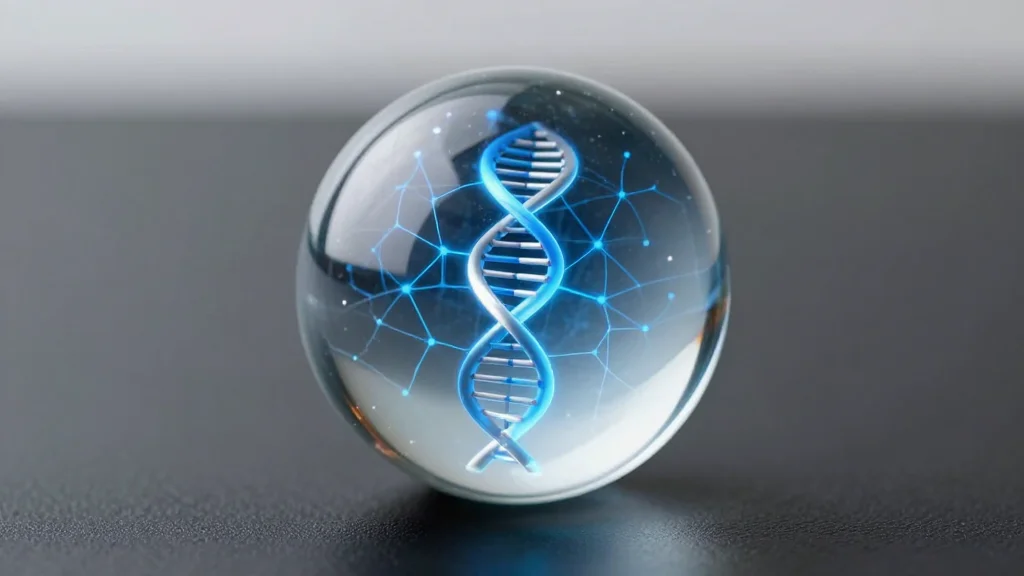
BioAIrepo: EMBL-EBI’s Hub for Life Science AI Models
EMBL‑EBI has launched BioAIrepo, a dedicated repository that makes life‑science machine‑learning models FAIR—findable, accessible, interoperable and reusable. The pilot catalogue aggregates imaging and genomics models from the BioImage Model Zoo and Kipoi, providing code, weights, training data and citation metadata....