
Recent Posts

News•Mar 2, 2026
Why Claims Data Underestimates Mental Health Risk
Employers often rely on isolated claims or EAP call counts, which dramatically understate the true scale of behavioral health issues in the workforce. By aggregating medical, pharmacy, and EAP data—and even website analytics—companies can capture both prevalence and cost, revealing that up to two‑thirds of mental‑health patients have comorbid chronic conditions. The article argues for a population‑health reporting model that groups related diagnoses and distinguishes low‑intensity from high‑intensity services. Such a holistic view shifts executive dialogue from questioning investment to planning rapid, targeted support.
By Employee Benefit News

News•Feb 27, 2026
This App Helps Employees with ADHD and Anxiety Manage Their Day
NoPlex, dubbed the “chaos management app,” is built to help employees with ADHD and anxiety organize daily tasks and reduce stress. The app offers a free consumer version and a paid, enterprise‑grade tier that employers can purchase per seat. By...
By Employee Benefit News

News•Feb 26, 2026
Building a Multi-Generational Approach to Insurance Coverage
Insurers are confronting a widening gap between employee expectations and benefits delivery, as satisfaction with coverage fell to 61% in late 2025, down from 66% the year before. Younger workers demand fast, transparent digital interactions, while older staff prefer hands‑on,...
By Employee Benefit News

News•Feb 25, 2026
The AI Skills Gap Is Turning Gen Z Into Workplace Mentors
Reverse mentorship is reshaping workplaces as Gen Z employees teach senior staff AI fundamentals. According to International Workplace Group research, 62% of Gen Z are actively upskilling older colleagues, and 72% report higher team productivity from these interactions. Directors echo the trend,...
By Employee Benefit News
News•Feb 25, 2026
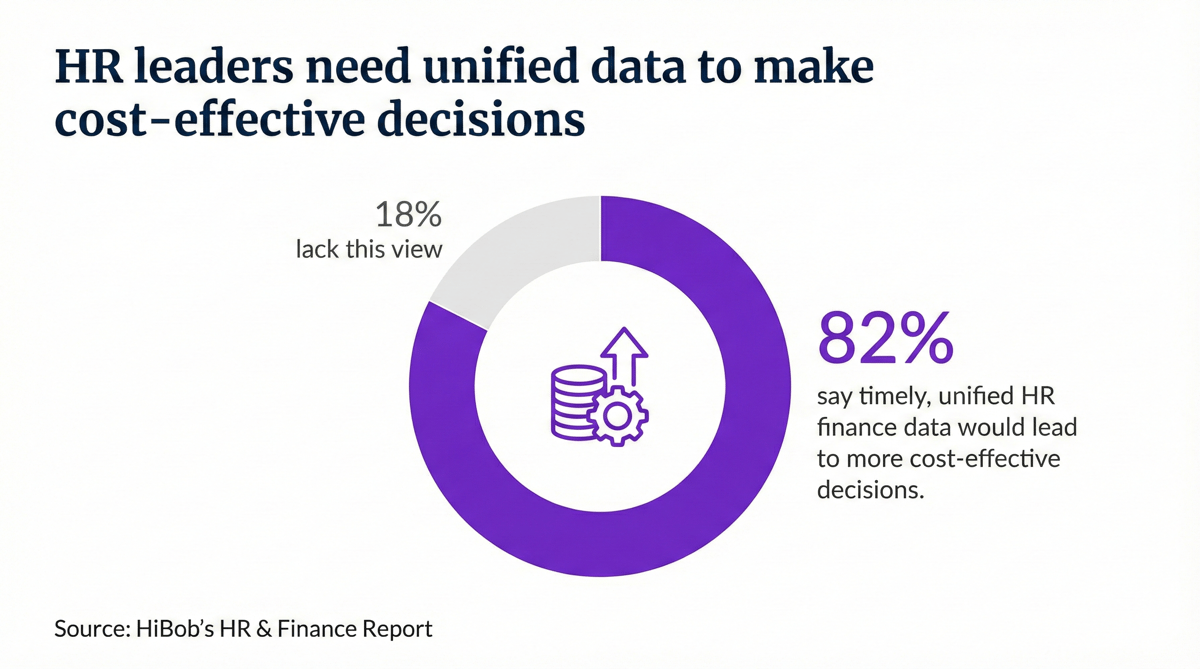
HR Teams Struggle with Decision-Making Due to Data Limitations
A new HiBob HR & Finance Report finds benefit leaders are transitioning from operational stewards to strategic decision‑makers, yet 82% say they lack timely, unified HR‑finance data. The study reveals that 68% cannot make fair pay decisions without integrated data,...
By Employee Benefit News
News•Feb 19, 2026
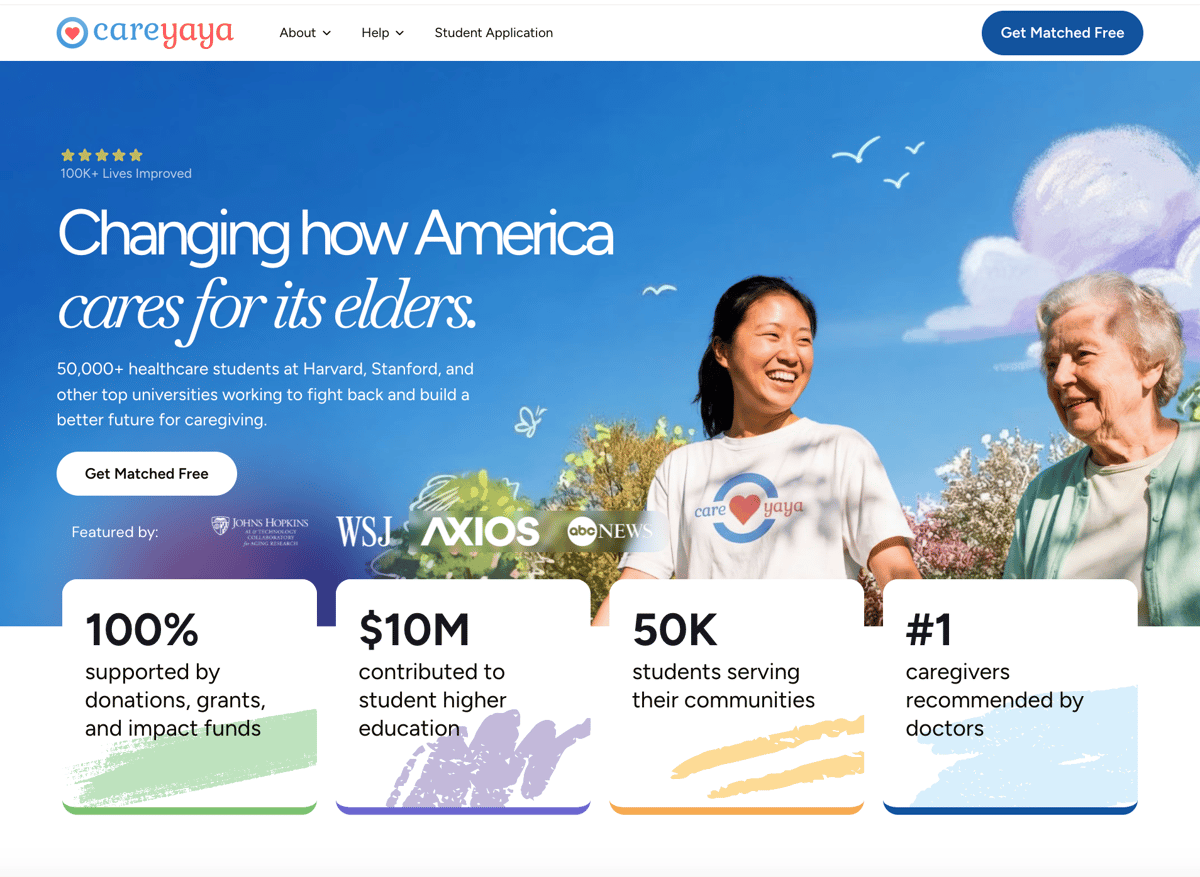
Caregivers Find Much-Needed Relief with This Unique Eldercare Solution
CareYaya, a student‑matching platform, connects college students with seniors and disabled adults to provide non‑medical in‑home assistance. By paying students directly at about $20 an hour, the service reduces care costs roughly 50 % compared with traditional agencies. The app’s algorithm...
By Employee Benefit News

News•Feb 18, 2026
Why Leaders Are Putting a Renewed Focus on PTO Policies
A new WTW survey shows 73% of U.S. employers will enhance paid‑leave programs within two years. Leaders cite employee experience, talent attraction, and retention as primary drivers. Caregiver leave is projected to jump from 22% to 39%, while parental and...
By Employee Benefit News
News•Feb 18, 2026
Employers Push Critical Illness Plans Amid Health Risks
Employers are increasingly adding critical‑illness insurance to their benefits portfolios to offset gaps left by high‑deductible health plans. A recent Equitable survey shows 31% of American workers filed a critical‑illness claim in the past year, yet only 49% feel confident...
By Employee Benefit News

News•Feb 18, 2026
AI in Healthcare Starts Long Before the Exam Room
AI-driven clinical tools are rapidly improving diagnosis and treatment, but they leave patients exposed to hidden financial risks. A case of an autonomous AI ER physician resulted in a $37,000 out‑of‑network bill, highlighting systemic navigation failures. While clinical AI promises...
By Employee Benefit News

News•Feb 17, 2026
Pinterest and Maven Team up to Provide Menopause Support to Employees
Pinterest has partnered with Maven Clinic to launch a unified menopause, fertility and parenting support platform for its workforce. The initiative aims to curb the $1.8 billion productivity loss attributed to menopause‑related disruptions in 2023. By consolidating care into a single...
By Employee Benefit News
News•Feb 17, 2026
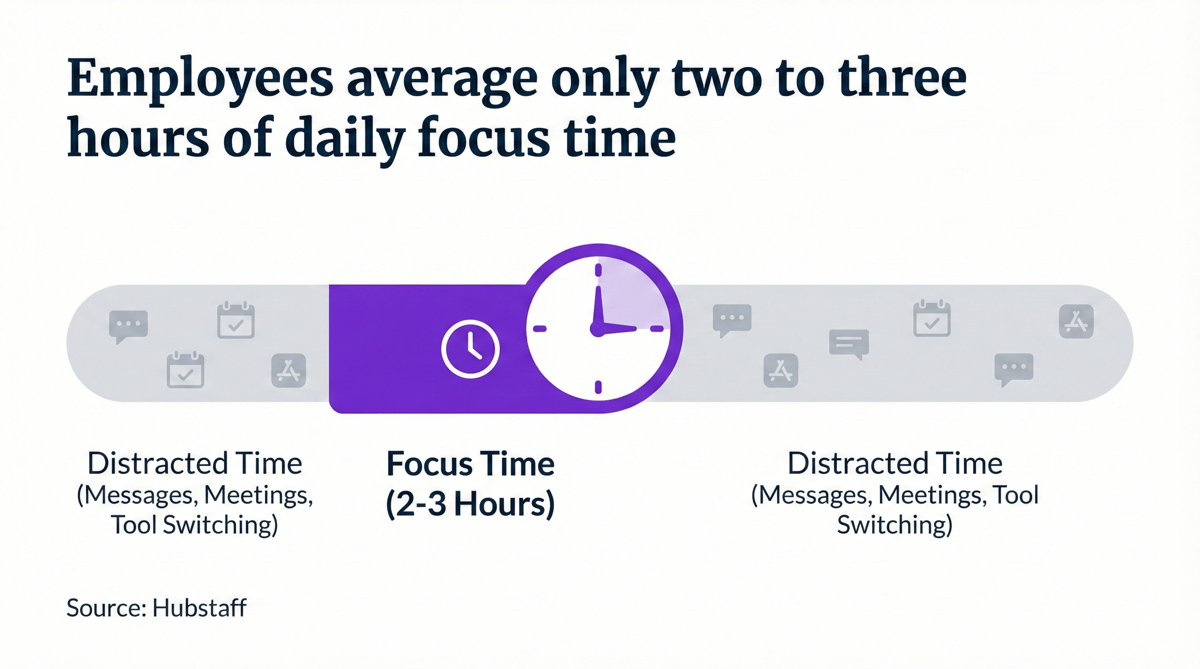
Endless Meetings and Apps Leave Employees Struggling to Focus
Employees are now averaging only two to three hours of uninterrupted focus each day as meeting density and app overload surge. Hubstaff’s 2026 Global Benchmarks Report shows meeting frequency has doubled and organizations run six times more meetings than two...
By Employee Benefit News