
Stablecoins: What They Are and How They Work
Stablecoins are blockchain‑based tokens pegged to the U.S. dollar through a 1:1 reserve of cash and short‑term Treasury notes, offering near‑instant, low‑cost transfers. They aim to solve cross‑border payment delays, high fees, and dollar‑access challenges in inflation‑hit economies. The market is led by Tether, with roughly $190 billion in circulation, while Circle’s USDC provides greater regulatory transparency. Issuers generate revenue primarily from interest on reserve assets rather than user fees, positioning stablecoins as a potential new source of demand for U.S. Treasury debt.

Mitsubishi Zero: The Aircraft That Changed WWII Aviation
The Mitsubishi A6M Zero, introduced in 1940, combined unprecedented speed, range, and agility by shedding armor and fuel‑tank protection, giving Japan air superiority in the early Pacific war. Its dominance shocked Allied pilots until the capture of an intact Akutan...

The Traitorous Eight and The Birth of Silicon Valley
In 1957 eight engineers left William Shockley’s troubled lab and founded Fairchild Semiconductor with $1.5 million backing, launching the modern semiconductor era. Their collaborative culture produced the planar process and the first integrated circuits, which enabled the microprocessor revolution at Intel....

Rainbows And How They Work
The podcast "Rainbows" breaks down how sunlight, water droplets, and optics create the familiar multicolored arc. It explains refraction, dispersion, and internal reflection, noting the primary rainbow’s 42° angle and the secondary rainbow’s 51‑54° angle. The episode also highlights that...
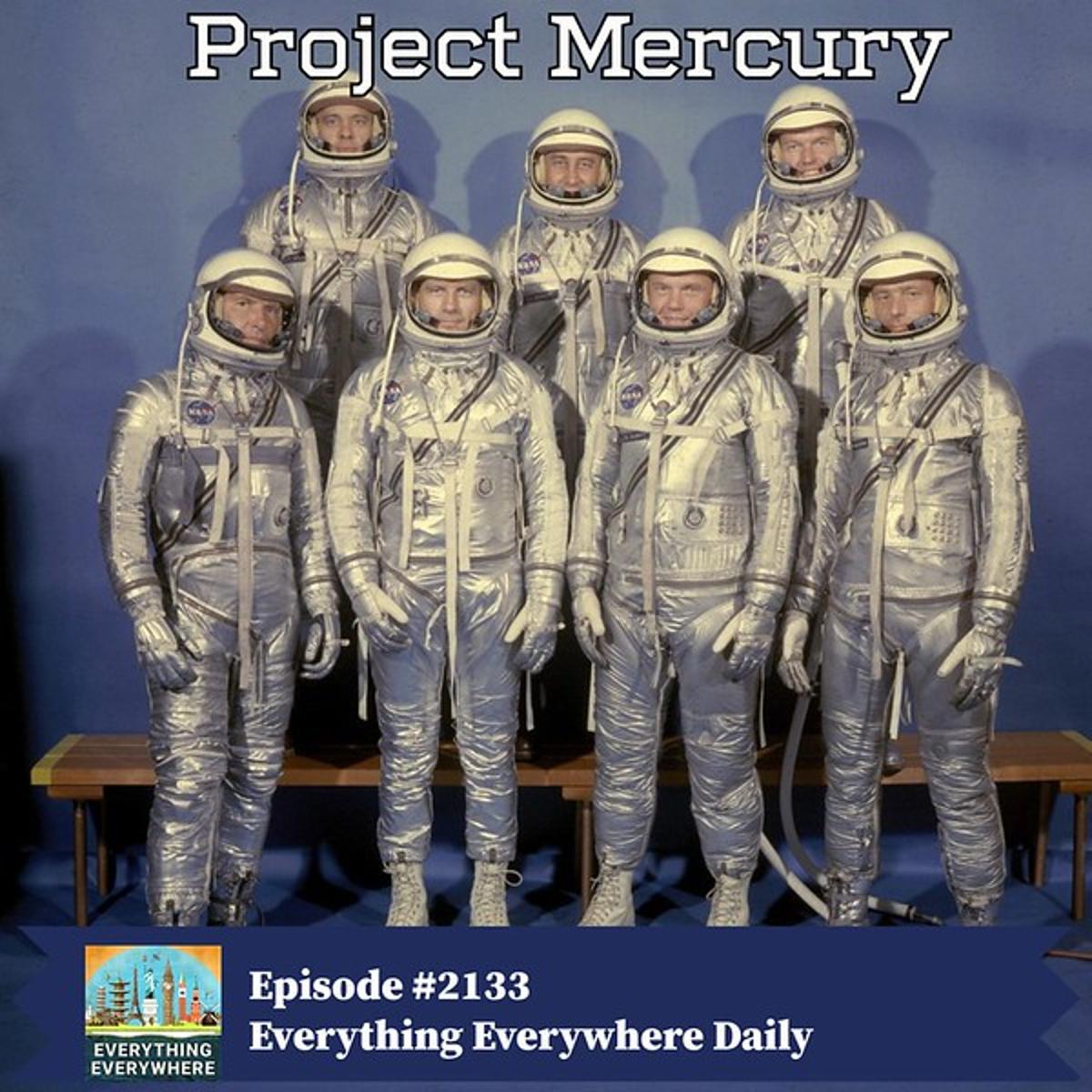
The Mercury Program
Project Mercury, NASA’s first human‑spaceflight effort, was approved in November 1958 to put an American into orbit and prove humans could survive space. After a series of uncrewed tests and sub‑orbital flights by Alan Shepard and Gus Grissom, the program...
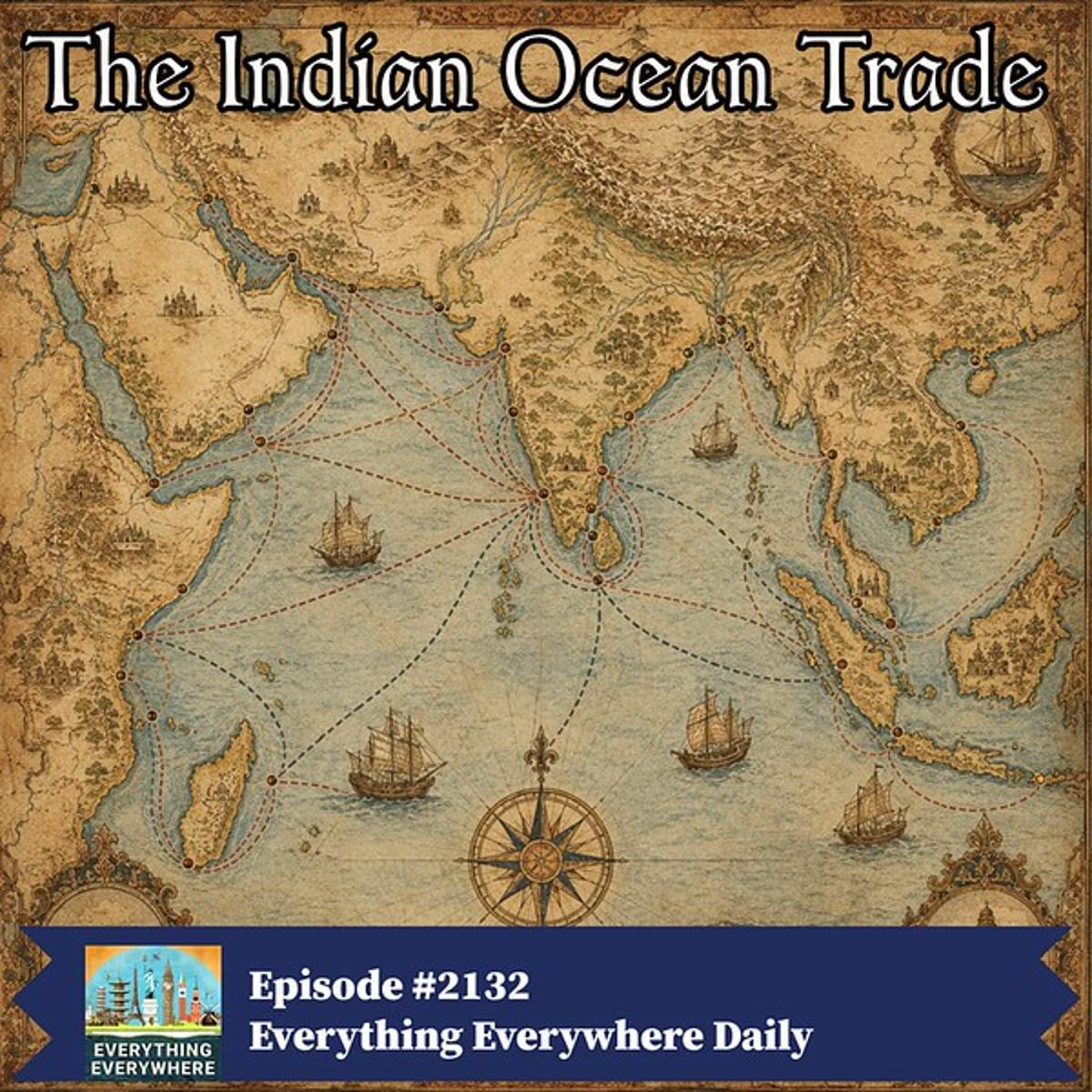
The Indian Ocean Trade
The Indian Ocean trade network, powered by predictable monsoon winds, linked Africa, Arabia, India, Southeast Asia, and China for millennia. Early mariners mastered the monsoon cycle, using dhows, lateen sails, and later the astrolabe and compass to move goods such...

The Rise and Fall of OPEC
The Organization of Petroleum Exporting Countries (OPEC) was founded in 1960 by five oil‑producing nations to challenge the dominance of the Western “Seven Sisters” oil majors. Over the next two decades OPEC expanded its membership and, by the 1973 oil...

The Resurrectionists: Grave Robbers Who Built Modern Medicine
In 18th‑ and 19th‑century Britain, illegal grave‑robbing gangs called Resurrectionists supplied fresh cadavers to anatomy schools, filling a critical shortage for medical training. Their organized operations could harvest up to six bodies a night, with a single corpse fetching as...

Cotton: How It Helped Build The Modern World
Cotton, domesticated independently in Asia, Africa, the Americas and later Europe, became a global commodity that shaped trade, industry, and societies. The invention of Eli Whitney’s cotton gin in 1793 turned cotton into a profitable, labor‑intensive crop, fueling the American...

The History of Sneakers: How Athletic Shoes Took Over the World
The sneaker evolved from a simple vulcanized‑rubber shoe in the 1830s into a global cultural and economic powerhouse. Key milestones include Converse’s All‑Star dominance, the Adidas‑Puma rivalry that birthed athlete endorsements, Nike’s waffle‑sole breakthrough, and Michael Jordan’s Air Jordan line...
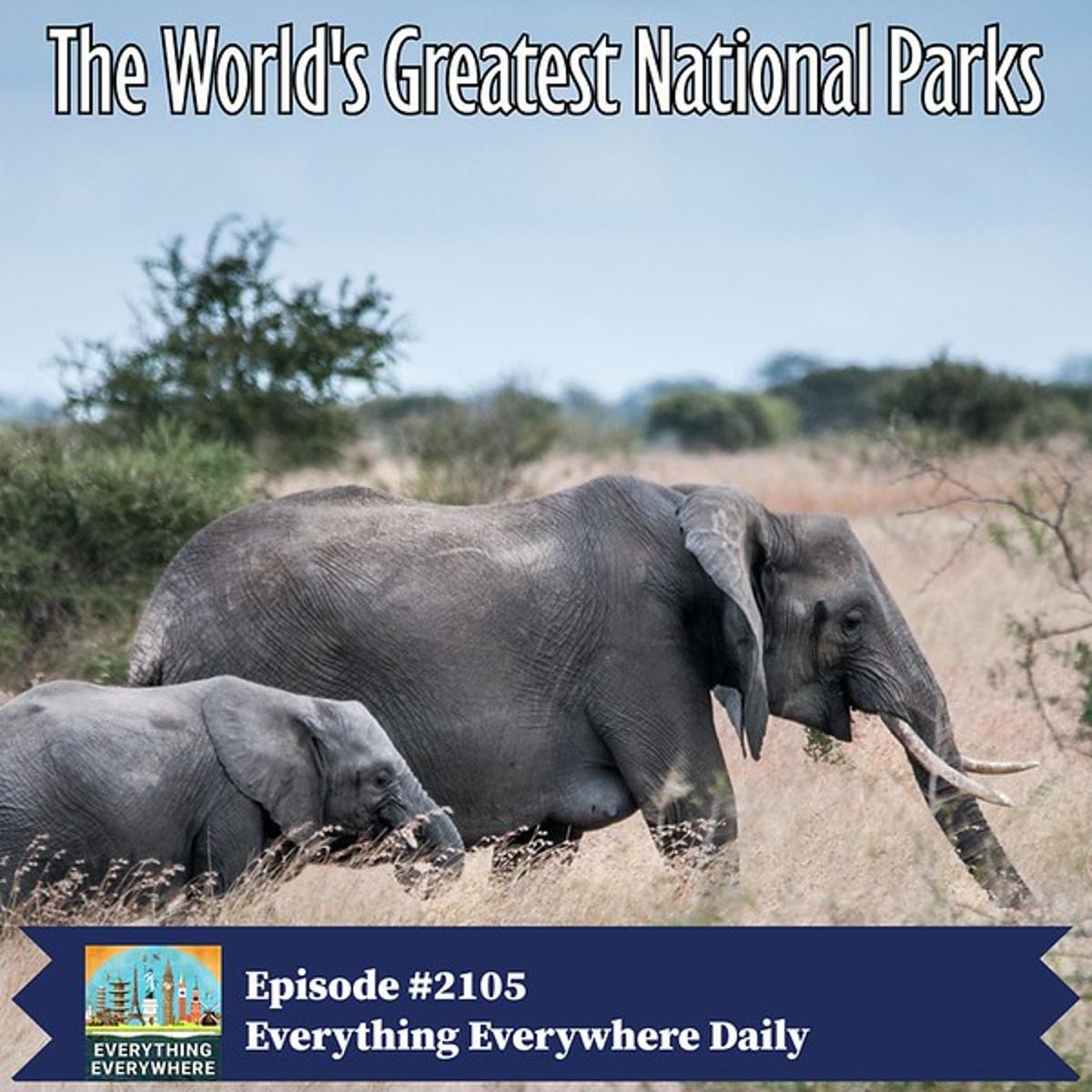
The Greatest National Parks in the Southern Hemisphere
The podcast episode spotlights the author’s favorite national parks located south of the equator, ranging from Australia’s Kakadu to Africa’s Kruger and Namib‑Naukluft. Each park is described with its size, key natural features, and signature wildlife, such as Kakadu’s rock‑art...

Las Vegas: The City That Shouldn’t Exist
Las Vegas transformed from a desert oasis and 1905 railroad town into the world’s premier entertainment hub, driven first by the 1931 legalization of gambling and the Hoover Dam construction, then by a wave of mob‑backed casinos in the 1940s‑60s. Corporate...

Flags of Convenience: The Hidden System Behind Global Shipping
The podcast explains how flags of convenience let ship owners register vessels in countries like Panama, Liberia, and the Marshall Islands, regardless of any real connection. This practice began in the 1910s to dodge U.S. Prohibition and labor laws, then...
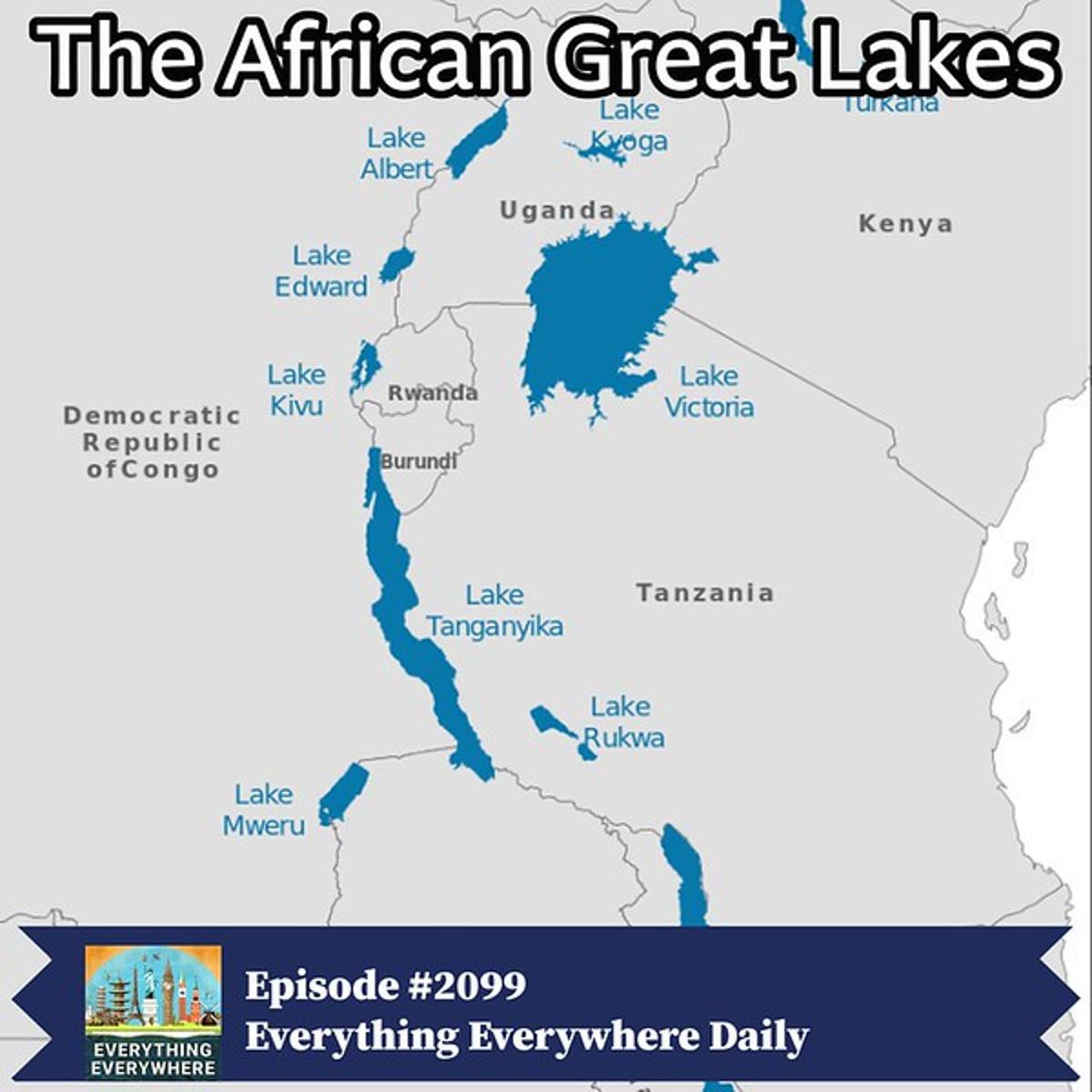
The African Great Lakes: Ancient Waters That Shape Modern Africa
The African Great Lakes, a chain of ten lakes across East and Central Africa, hold about a quarter of the world’s unfrozen freshwater and were formed by tectonic rifting millions of years ago, except for Lake Victoria which formed in...

The Element Iodine: Its Discovery, Health Benefits, and Why It’s in Salt
Iodine was accidentally discovered in 1811 by French chemist Bernard Courtois while processing seaweed ash for saltpeter, and quickly identified as a new element by Gay‑Lussac and Davy. The trace mineral is essential for thyroid hormone production, and its uneven...