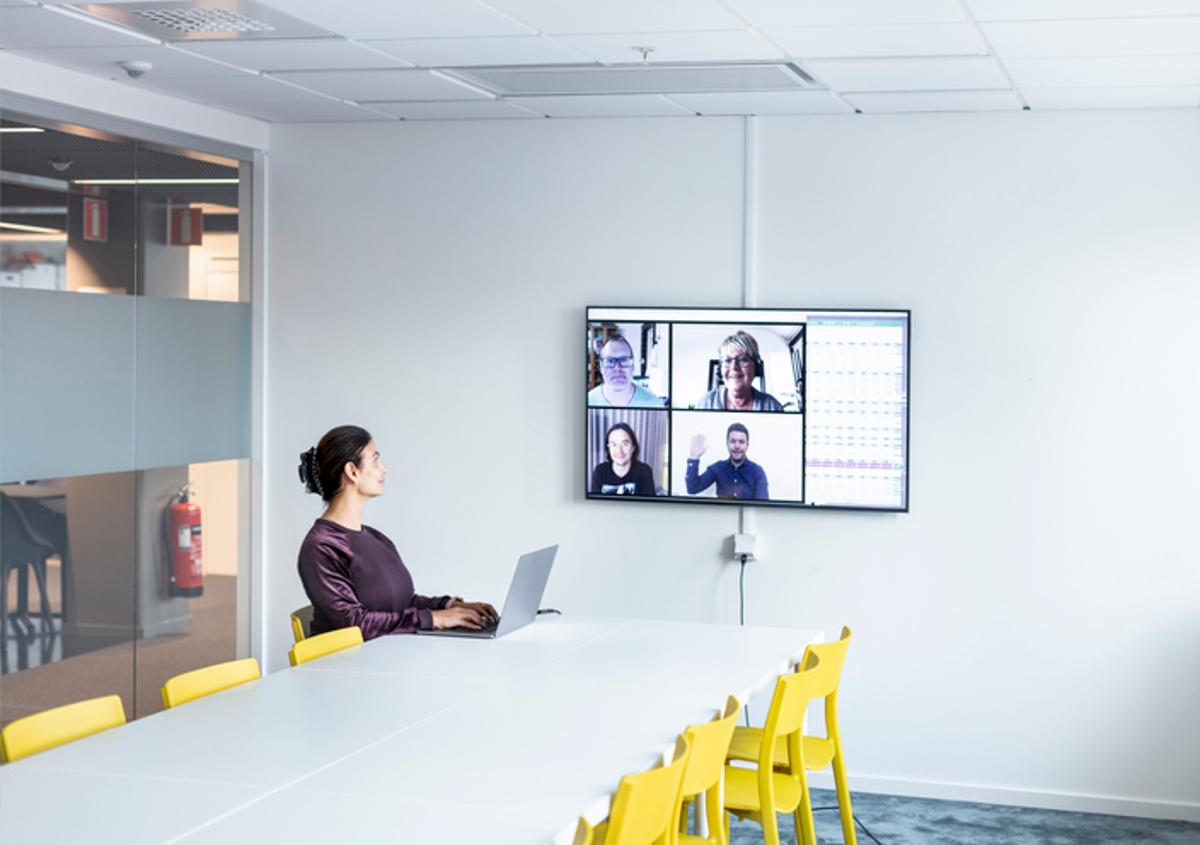
Hybrid Work Stabilizes as Occupancy Planning Enters a Data-Driven Era
JLL’s 2026 Global Occupancy Planning Benchmark Report shows hybrid work stabilizing, with global office utilization at 56% against a 74% target—the narrowest gap since the pandemic. Structured hybrid schedules are gaining traction; 55% of employees now work three to four days a week, and 62% of firms mandate fixed in‑office days. While utilization data now informs 90% of planning decisions, AI adoption lags, as more than 70% of organizations have not piloted AI for occupancy management, citing privacy, cost and integration concerns.

Back to Basics: How Smart Sensors and AI Work Together
Smart buildings are evolving beyond simple automation as facilities managers adopt AI‑enabled Internet of Things (AIoT) systems. By pairing connected smart sensors with artificial‑intelligence analytics, organizations can collect real‑time data, detect patterns, and trigger automated actions such as HVAC adjustments...

Designing Warehouses Around the Human Element
Warehousing is being reshaped by soaring e‑commerce demand, tighter labor markets, and a push toward automation, with 26% of facilities expected to be partly automated by 2027. Yet the shift threatens roughly 19 million jobs and leaves workers walking an average...

Kansas City Chiefs Stadium Scores Green Building Certification
The Kansas City Chiefs announced that GEHA Field at Arrowhead Stadium has earned LEED v4.1 Gold certification for existing buildings, marking a major sustainability milestone for the NFL franchise. The certification reflects a 12‑month performance review that measured energy, water,...

TV Show ‘The Pitt’ Highlights Real-Life Rise of Workplace Violence in Healthcare
The TV drama “The Pitt” dramatizes the growing epidemic of workplace violence in hospitals, mirroring findings from CENTEGIX’s 2026 report that 68% of clinicians experienced at least one violent incident in the past year. Repeated assaults are linked to burnout,...

Modernizing Facilities Operations with Standardized Workplace Technology
Facilities operations are shifting from reactive repairs to strategic asset and space management, but many enterprises still rely on fragmented tools and manual processes. This disjointed landscape hampers visibility, inflates labor costs, and slows decision‑making. Implementing standardized workplace technology consolidates...
What Facilities Teams Should Rethink About Industrial Insulation
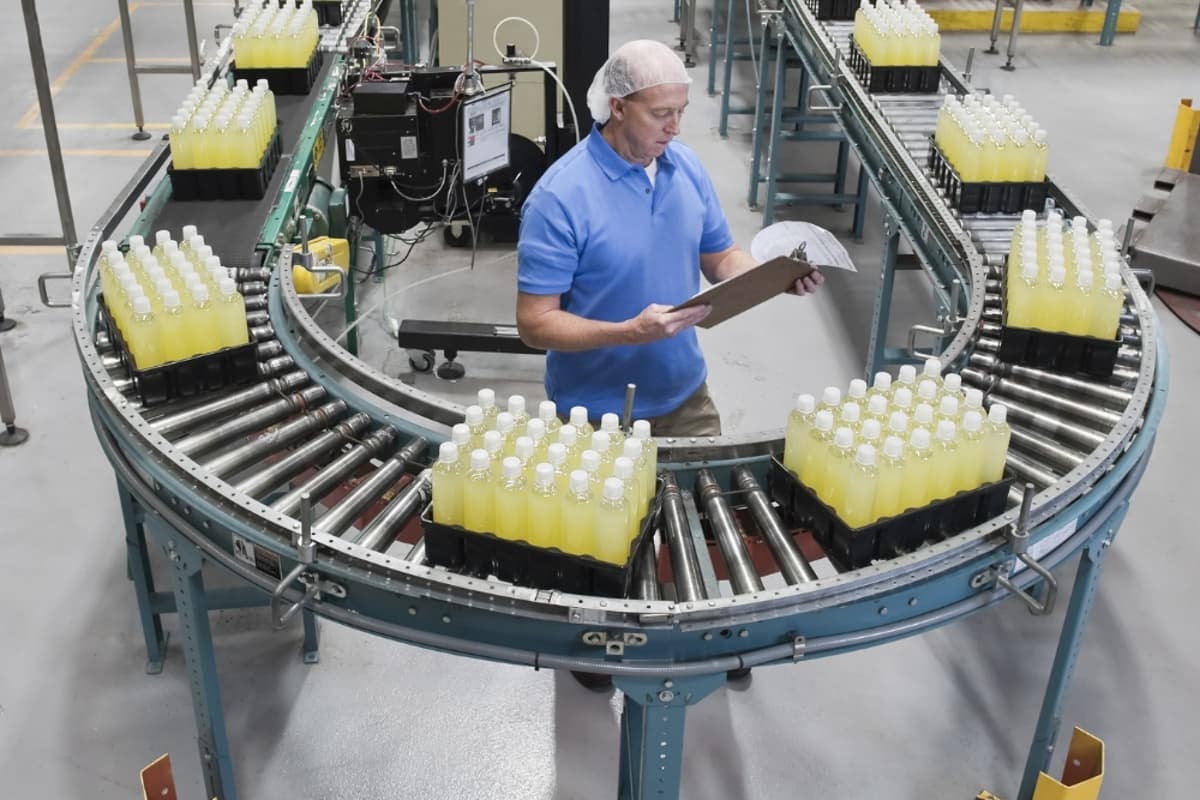
Industrial facilities are re‑evaluating decades‑old jacketed insulation as safety, uptime and energy pressures mount. In food and beverage plants, aging insulation often traps moisture, corrodes, and hampers inspections during tight sanitation windows. Thermal Insulative Coatings (TICs) are emerging as a...

Why ‘Firefighting’ Is a Bad Strategy for Facilities Management
Facilities managers often describe their daily grind as "firefighting"—reacting to leaks, outages, and equipment failures instead of preventing them. Experts argue that a weak preventive‑maintenance program fuels this cycle, leading to higher repair costs and unplanned downtime. Centralizing asset data,...

The Strategic Necessity of Staff Training for Skilled Trades
The National Fire Protection Association reports that 54% of skilled‑trade workers plan to upskill in 2026, yet only 17% believe their employers will make training a top priority. This disconnect emerges as the industry grapples with record‑low labor pools, high...

Facilities Hiring Is Broken. Here Is How Leaders Can Fix It
Facilities leaders are grappling with a deepening skilled‑trades shortage as buildings become more complex. Traditional hiring cycles, often spanning weeks, let top candidates accept other offers, while vague job ads fail to attract talent. The article urges faster, clearer recruitment,...

Why Efficiency Must Lead the Response to AI’s Surging Energy and Water Demand
Artificial intelligence is driving a rapid expansion of hyperscale data centers, pushing U.S. electricity consumption from 183 TWh in 2024 toward a projected 426 TWh by 2028—a 133% increase. A single AI‑focused facility can draw 100‑500 MW, equivalent to 80,000‑400,000 homes, and consume...
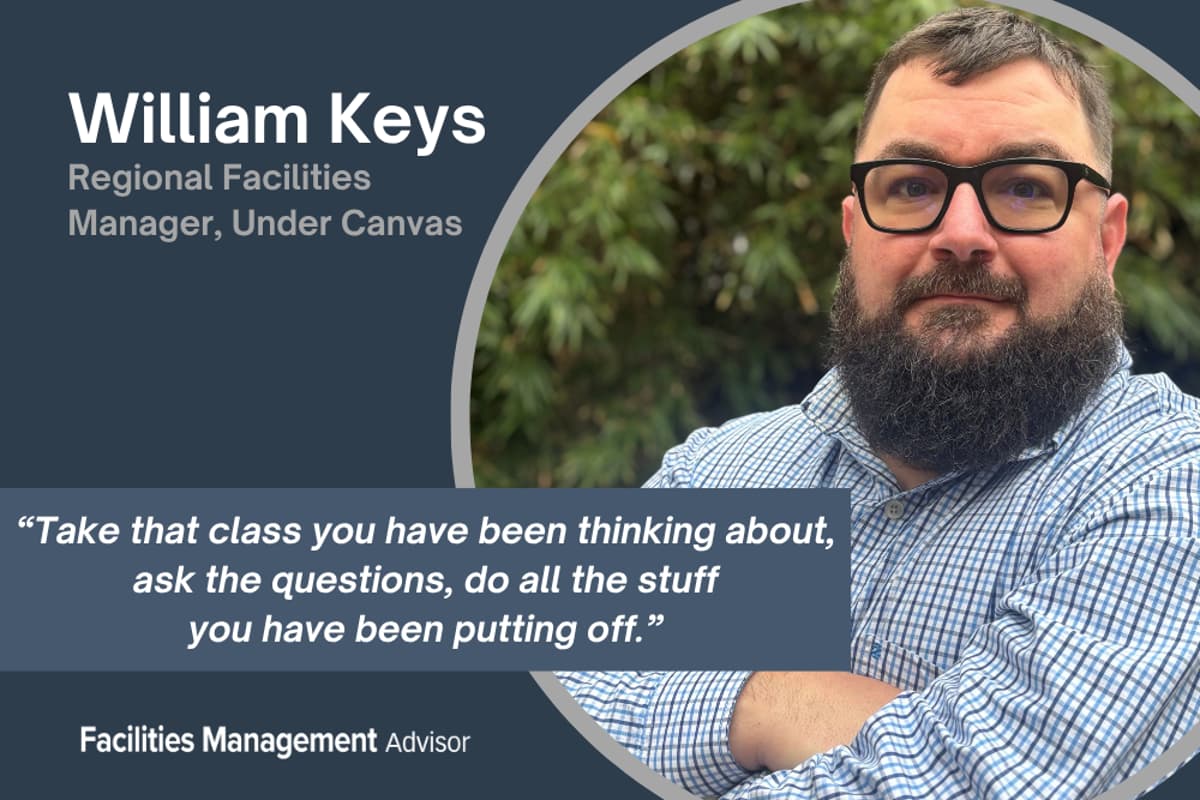
Faces of Facilities: William Keys on Taking Chances
William Keys, regional facilities manager for Under Canvas, shares how taking career risks propelled him from custodial work to overseeing operations at nine of the company’s 17 upscale glamping locations. He highlights the importance of continuous learning, employee investment, and...

Earth Day Tips for Making Facilities More Sustainable
Earth Day serves as a catalyst for facilities managers to launch comprehensive sustainability programs. The article recommends starting with a facility‑wide energy audit to identify high‑impact inefficiencies, then upgrading to LED lighting, smart thermostats, and renewable energy where feasible. It...

Green Building Groups Launch Coalition for Sustainable AI Data Centers
On Earth Day, nine leading built‑environment and sustainable‑finance organisations launched the Greening AI Data Centers Coalition (GADCC) to set transparent, credible standards for sustainable data‑center development as AI‑driven computing demand surges. The coalition, led by groups such as USGBC, BRE...

Skilled Trades Labor Shortage Reaches ‘Critical Inflection Point’
JLL’s new research warns that up to 2.1 million skilled‑trade positions—including electricians, HVAC technicians and plumbers—could remain vacant by 2030, threatening the upkeep of America’s aging commercial building stock. The United States posted roughly 600,000 trade job openings last year while...