
The Modern Service Department Faster Turns, Higher Margins
The webinar, led by DISIS sales director Clint Sanders, focused on modernizing farm equipment service departments to drive faster turn times and higher margins. Sanders emphasized that the service lane is the dealership’s most controllable profit center, yet many shops suffer from workflow bottlenecks rather than technician shortages. He highlighted that typical technician efficiency hovers between 65% and 80%, and even a modest 10% improvement can boost profitability without adding bays or staff. Key insights included five common breakdowns: incomplete work‑order intake, lack of pre‑ordered parts, unstructured technician dispatch, misaligned parts‑service collaboration, and delayed customer approvals. Sanders illustrated how missing customer data or unclear scopes lead to rework, while ad‑hoc dispatch lets technicians cherry‑pick easy jobs, forcing managers to constantly intervene. He advocated for daily dispatch reviews, predictive parts ordering based on sales trends, and integrated communication loops between parts and service teams. Supporting examples featured real‑time texting tools like Notify 360, which achieve response times under 90 seconds versus days for phone calls. Sanders also shared anecdotes of dealerships losing margins when machines sit idle awaiting parts, noting that each idle hour directly erodes profit. He urged managers to set transparent daily efficiency targets and to automate approval notifications, preventing surprise cost changes that upset customers. The implications are clear: dealerships that streamline intake, synchronize parts and service, and leverage automated customer communication can raise technician efficiency, reduce cycle times, and protect margins. By treating the service department as a data‑driven operation rather than a knowledge‑only silo, dealers position themselves for sustainable growth in a competitive market.

Yetter Manufacturing Acquires Martin Till: Partnership Announcement and Future Plans
Yeter Manufacturing, a family‑owned Illinois firm founded 1930, announced it will acquire Martin Till, a specialist planter‑attachment maker founded 1991, with the deal expected to close by the end of March. The acquisition will keep both brands separate; Martin Till will...
Deere R2R Settlement, Change in Tariffs & Monarch Tractor’s Shuttering
The episode covered four major developments affecting farm equipment: Deere’s $99 million right‑to‑repair settlement, a wave of state‑level right‑to‑repair legislation, the U.S. Department of Commerce’s revised Section 232 tariff structure, and the abrupt closure of Monarch Tractor’s California headquarters. Deere’s settlement resolves a...

Ballweg Implement Precision Team Prepares for Spring
Ballweg Implement’s Precision Team, led by long‑time employee Sheila Jacel, is focused on readying customers for the upcoming planting season. The team supports a broad range of equipment—from legacy autotrack units to cutting‑edge autonomous tractors—ensuring each machine integrates with the...

John Schmeiser Appointed Executive Director of the Canada Equipment Dealers Foundation (CEDF)
John Schmeiser has been appointed Executive Director of the Canada Equipment Dealers Foundation (CEDF). The appointment positions Schmeiser at the helm of an organization that advocates for Canadian equipment dealers on policy, training, and market development. Schmeiser brings over two...

Geringhoff’s Bill Dickhut Discusses U S Factory Expansion, AI, Tariffs & More
Bill Dickhut of Geringhoff outlined the company’s strategic push in the United States, highlighting a recent 40,000‑square‑foot expansion to its 2013‑era plant. The added space is intended to increase output and, crucially, to broaden the range of machine styles available...
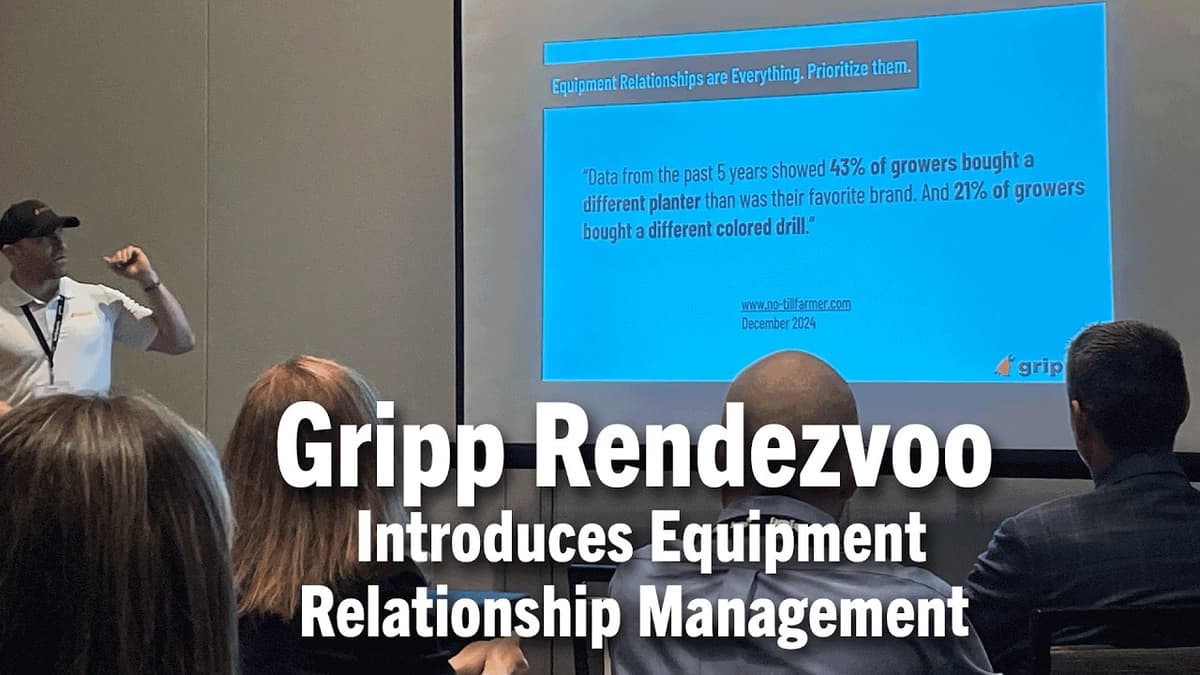
Gripp Rendezvoo Introduces Equipment Relationship Management
Grip’s CEO Tracy Woodmire unveiled a new Equipment Relationship Management (ERM) platform that expands the company’s existing QR‑code tracking solution for farm machinery. The ERM layer lets equipment owners assign QR tags to tractors, pumps, pivots and other assets, then store...
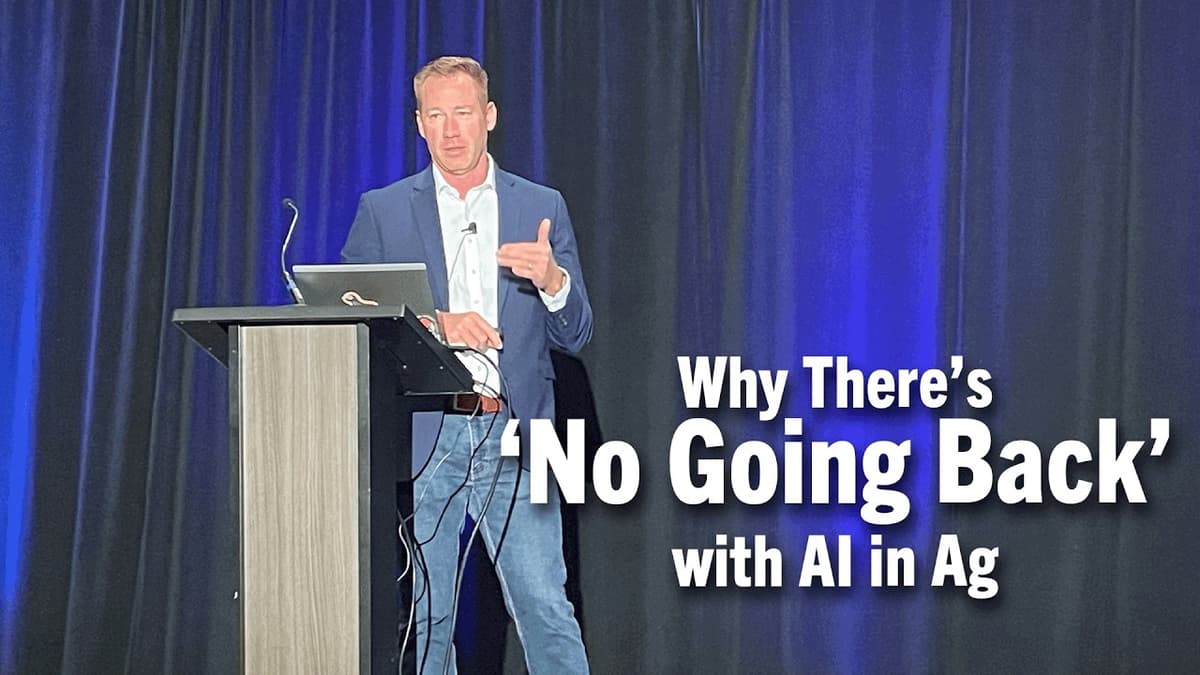
Why There’s ‘No Going Back’ with AI in Ag
The video spotlights the accelerating infusion of generative AI into agriculture, emphasizing that growers are already leveraging large‑language models such as Gemini and Anthropic on iPhone interfaces to streamline negotiations, contract drafting, and on‑the‑fly problem solving. While these conversational tools...

Talking Precision Tech Trends with AGCO Ventures’ Alex Russomagno
The video spotlights AGCO Ventures, the corporate venture capital arm of AGCO, which scouts and backs early‑stage technologies that align with the company’s farmer‑first, sustainability‑driven agenda. By investing in startups, the unit supplements traditional partnerships and acquisitions, giving AGCO a...
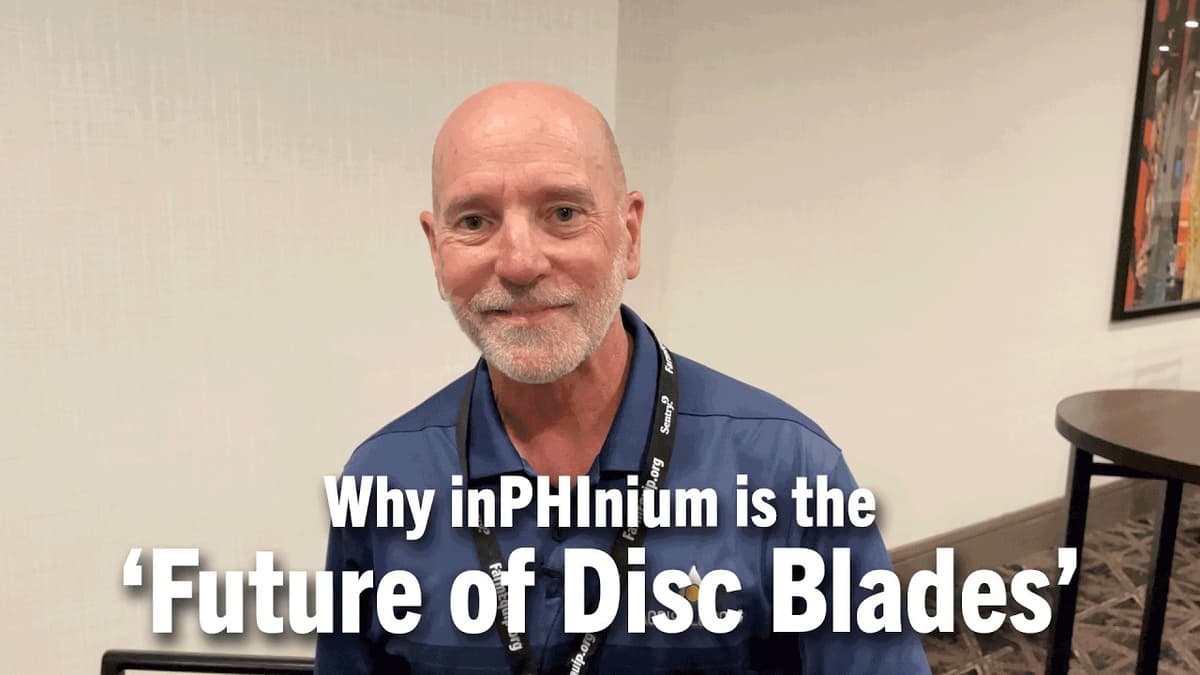
Why inPHInium Is the ‘Future of Disc Blades’
The video announces Infinium, a proprietary high‑grade steel designed to become the next‑generation disc blade for agricultural equipment. Infinium achieves a Rockwell hardness of 56, compared with the previous 49‑52 range, delivering a wear life 20‑30 % longer than the current industry...
Prolonged Iran War Could Impact Farm Decisions, Corn Acres
Spring planting in the United States and Canada is now being shadowed by the escalating conflict in Iran, which threatens the flow of natural‑gas‑derived ammonia used in nitrogen fertilizers. Natural gas underpins the production of urea, the world’s most common solid...
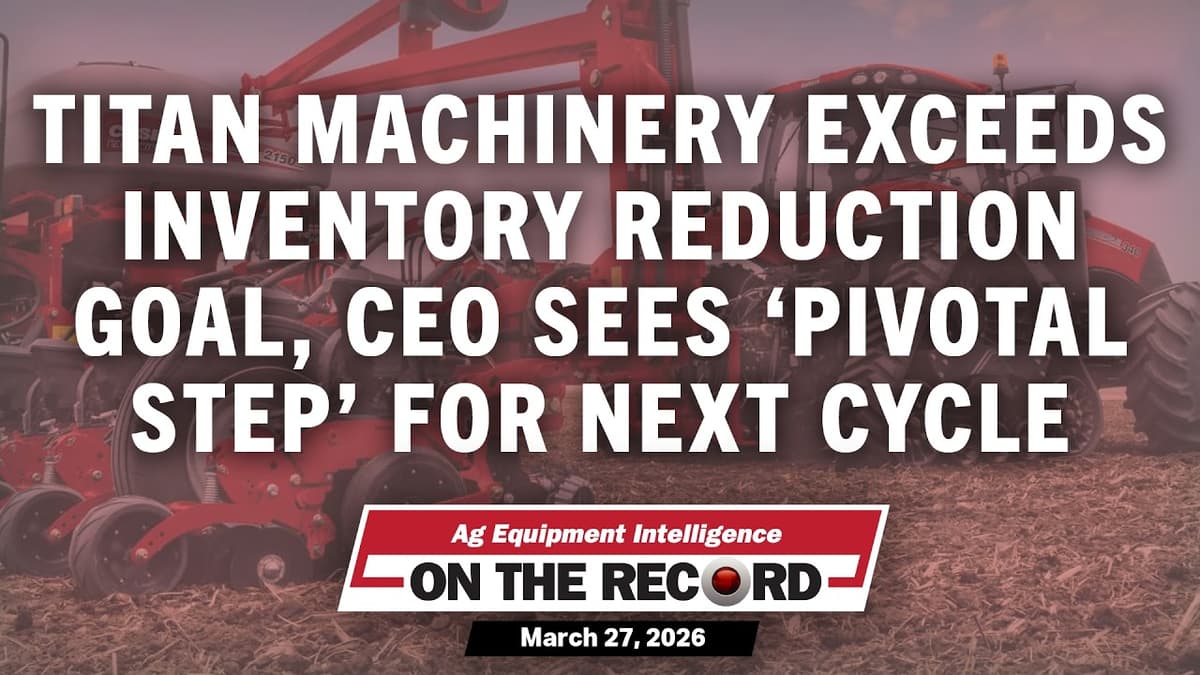
Titan Machinery Exceeds Inventory Reduction Goal, CEO Sees 'Pivotal Step' For Next Cycle
At the FEMA Supply Summit in San Antonio, Titan Machinery announced it had reduced inventory by $26 million in fiscal 2026, surpassing its internal target and trimming $625 million over the past 18 months. CEO Brian Kenson said the right‑sizing creates a...