

How Can UK Investors Build a Tax-Free Investment Portfolio | FT #shorts
The video explains that UK residents can use stocks‑and‑shares Individual Savings Accounts (ISAs) to shelter investments from tax, offering a straightforward way to build a tax‑free portfolio. Each adult may contribute up to £20,000 per year, split between cash and equities. While cash ISAs only eliminate interest tax, a stocks‑and‑shares ISA lets the same contribution grow tax‑free, avoiding capital‑gains, dividend and income tax. AJ Bell’s model shows a £100,000 five‑year contribution could be worth over £150,000, with the £50,000 gain untaxed. The presenter stresses that investors need no specialist expertise; most platforms provide a “quick‑start” questionnaire to allocate assets according to risk tolerance. Dividends received inside the ISA are tax‑free, and withdrawals are not treated as income, unlike pension draws. The implication is that disciplined, long‑term investing through ISAs can significantly boost net wealth, provided investors keep a separate emergency fund and accept a 5‑10‑year lock‑in. Splitting the allowance between cash and equities adds flexibility while preserving the tax advantage.
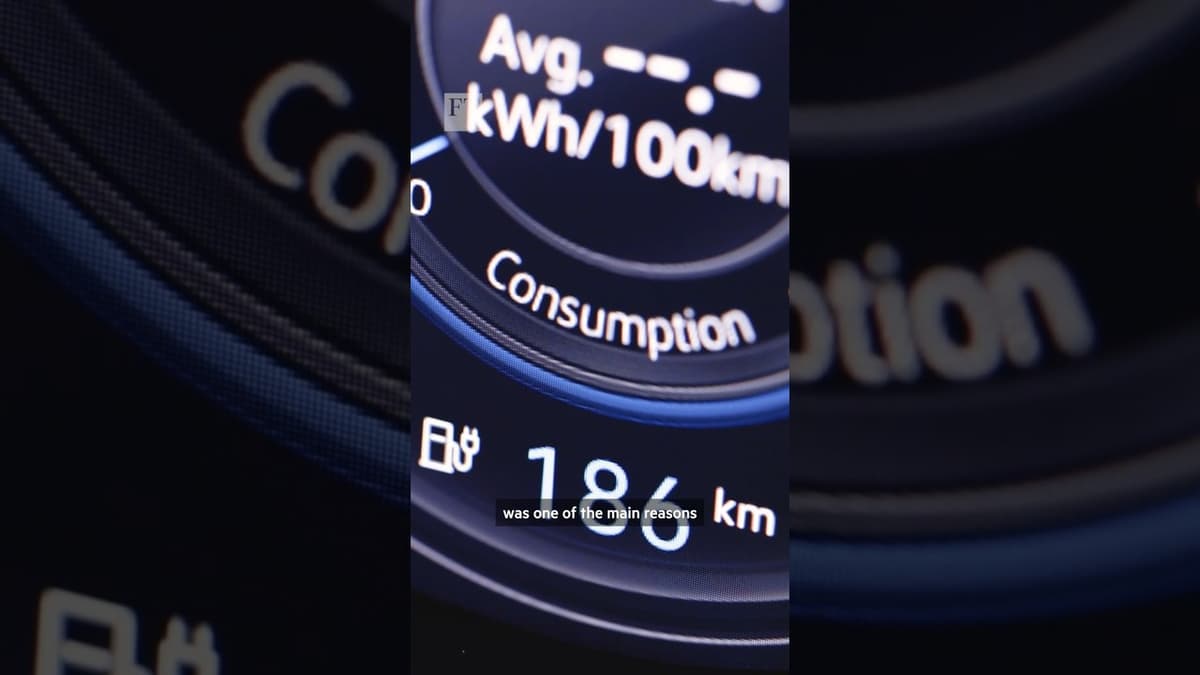
How ‘Pump Anxiety’ Is Prompting a Surge in EV Interest | FT #shorts
The FT short explains how “pump anxiety” – fear of rising gasoline costs triggered by the Israel‑Hamas conflict and broader Middle‑East war – is converting into a measurable surge in electric‑vehicle interest across Europe. Data from a leading EV retailer shows...

Is Social Media Having Its Tobacco Moment | FT #shorts
The video argues that today’s social‑media giants are built to keep users scrolling, likening their algorithms to casino slot machines that reward intermittent engagement. It highlights the sheer scale of the players – Meta’s $1.36 trillion valuation and Alphabet’s $3.3 trillion market cap...
Inside the Rise of TJ Maxx | FT #shorts
The video examines the rapid ascent of TJX, the parent of off‑price chains like TJ Maxx, Marshalls and HomeGoods, which now sits as the fourth‑most valuable brick‑and‑mortar retailer in the United States with a market capitalization around $170 billion and record‑setting...

Can Dubai Bounce Back From the War? | FT #shorts
Dubai’s status as the Middle East’s premier business haven is under scrutiny after Iran’s recent missile strikes on the United Arab Emirates, prompting sensational headlines and a wave of expatriate flight bookings. The video examines whether the city can recover...

Why Russia Has a Stake in Viktor Orbán's Re-Election | FT #shorts
The video examines why Russia has a vested interest in Viktor Orbán’s upcoming re‑election, tracing the Hungarian premier’s dramatic pivot from outspoken critic of Moscow to a pragmatic partner of Vladimir Putin. After initially condemning Russia’s 2008 invasion of Georgia,...

Why Does Chernobyl Still Pose a Nuclear Threat | FT #shorts
The video explains why the Chernobyl site remains a nuclear hazard decades after the 1986 reactor‑4 explosion. In 2019, an international consortium erected a massive steel containment arch—taller than the Statue of Liberty—to shield the hastily built Soviet sarcophagus and...

What's the Best Restaurant for a Business Lunch in London? | FT #shorts
The Financial Times short spot explores Bushan Rine, a West London restaurant touted as a top choice for business lunches. The host probes the venue’s accessibility, seating options, menu highlights and the overall lunch experience, positioning the eatery as a potential alternative to...

How Europe Is Struggling with the War in the Middle East | FT #shorts
The FT short highlights Europe’s uneasy position as the United States and Israel engage in a direct conflict with Iran, leaving the continent on the sidelines of a war that unfolds in its own geopolitical backyard. Initially, European capitals were split:...

How Will the Federal Reserve Handle Inflation and a Slowing Economy? | FT #shorts
The Federal Reserve announced on Wednesday that it is keeping the benchmark interest rate on hold, signaling a pause in its tightening cycle even as inflation remains sticky. Chair Jerome Powell stressed the extreme uncertainty surrounding the economy, noting that the...

What the Bombing of a School in Iran Tells Us About the Information War | FT #shorts
The Financial Times short examines the devastating strike on a school in Manab, Iran, where 168 people – mostly children – were killed. It uses the incident to illustrate how competing state narratives and a tightly controlled information environment complicate...

What Trump's Phone Call Means for NATO Leaders | FT #shorts
The video centers on a recent phone call between former President Donald Trump and a journalist, in which Trump pressed NATO allies—particularly Britain—to intervene in the ongoing conflict with Iran by unblocking the Strait of Hormuz. He also hinted that...

Japan Mines Pacific Seabed to Loosen China's Grip on Rare Earths | FT #shorts
Japan announced an ambitious deep‑sea mining program to extract rare‑earth elements from the Pacific seabed, aiming to blunt Beijing’s stranglehold on critical minerals. The initiative centers on the Minami Torihama deposit discovered in 2011, located about 1,900 km southeast of Tokyo within...

What Is Iran’s ‘Ace in the Hole’ | FT #shorts
The video examines the United States and Israel’s strategy to cripple Iran’s missile and drone production, questioning whether such a campaign can fully neutralize Tehran’s retaliatory capacity. It highlights the sheer scale of the offensive – the U.S. alone reported...

Five Ways the Iran War Could End | FT #shorts
The Financial Times short video outlines five speculative scenarios for how the United States and Israel might conclude their escalating conflict with Iran. It frames the discussion around President Donald Trump’s political calculus, the improbability of a rapid “Venezuela‑style” operation,...
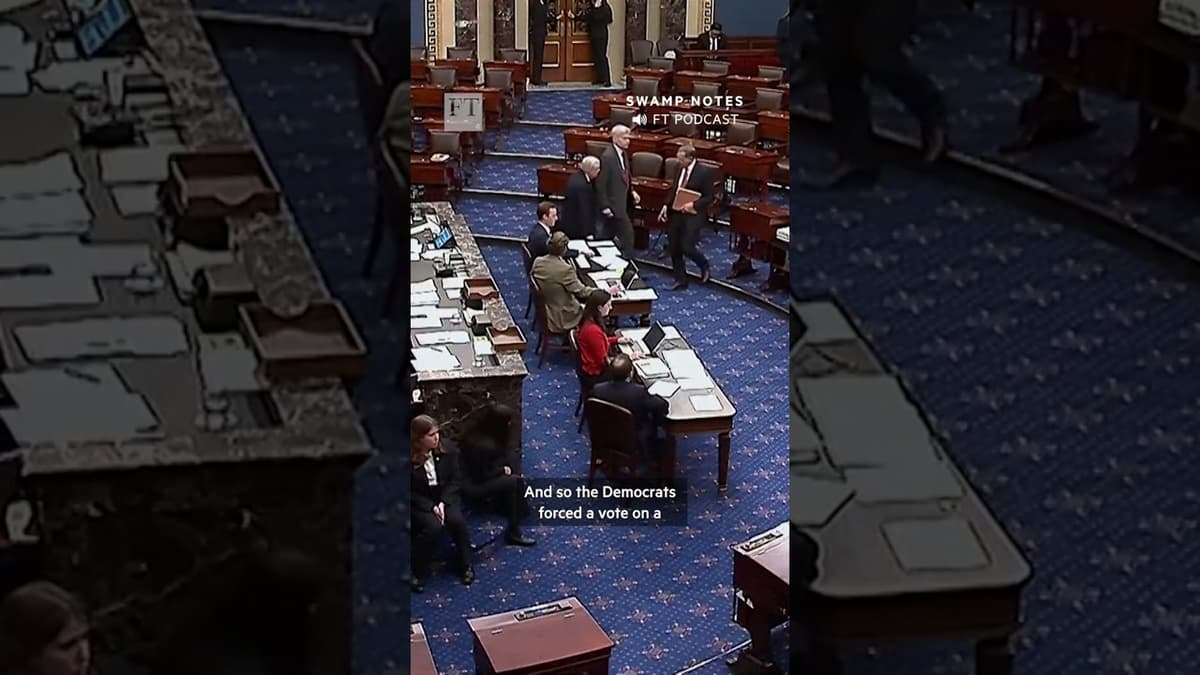
What Can the US Congress Do About the Iran War | FT #shorts
The Financial Times short examines how the U.S. Congress fits into the escalating conflict with Iran and what legislative tools are available to check the president’s military actions. Under the Constitution, only Congress can declare war, and statutes require presidential request...