Vitafoods Europe 2026: From Starbucks Protein Foam to Bone Broth Coffee, Fortified Foods Go Mainstream
Vitafoods Europe 2026 highlighted a surge in fortified, indulgent foods as flavor houses entered nutraceuticals and dairy proteins reclaimed market share. Starbucks’ protein‑foam coffee and bone‑broth “broffee” demonstrated how functional ingredients are now marketed for taste rather than health claims. Creatine‑MagnaPower and mealworm‑derived vitamin D3 showcased novel fortification routes, while European whey producers expanded capacity to meet rising demand. The event underscored a broader shift toward everyday functional beverages and snacks that blend sensory appeal with nutrition.

The GLP-1 Formulation Challenge: Clean Sweetness, Higher Protein and Nutrient Density in Smaller Portions
The surge in GLP‑1 receptor agonist use is reshaping the food‑and‑beverage landscape. Consumers on these medications report heightened sweetness sensitivity, a preference for smaller, nutrient‑dense portions, and a demand for higher protein and fiber alongside reduced sugar. Major ingredient suppliers...

Foodchain ID: Consumer Demand and Supply Chain Risks Are Reshaping Traceability
FoodChain ID told Vitafoods Europe that traceability has shifted from a premium differentiator to a baseline requirement as consumers, regulators, and volatile supply chains demand greater transparency. The firm argues blockchain alone cannot scale across fragmented food networks, favoring integrated digital...
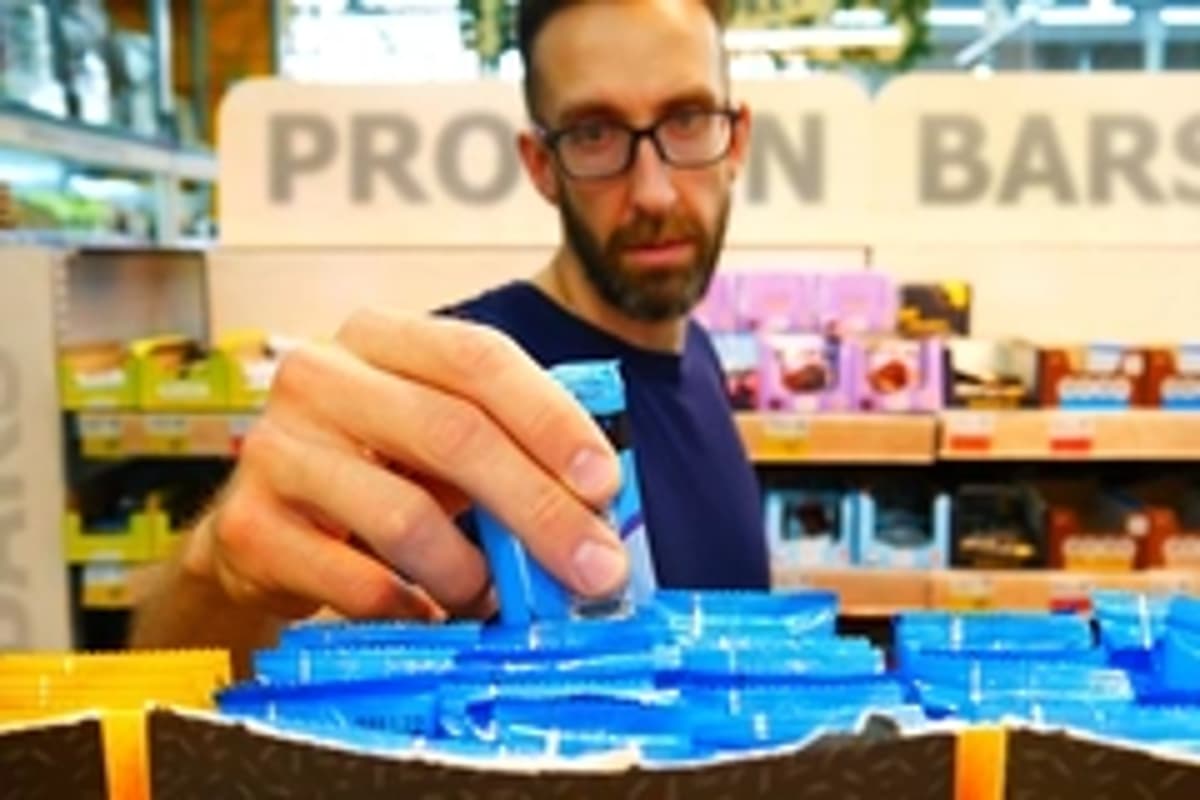
Arla Foods Ingredients: How Aeration Is Reshaping Texture in High-Protein Bars
Arla Foods Ingredients unveiled its AirBar concept, an aerated protein‑bar solution that injects stable air into a milk‑protein blend to create a lighter, fluffier texture. The technology addresses a growing consumer appetite for novel textures, with 60% of shoppers rating...

Vitafoods Europe 2026 Live: Transforming Functional Foods with Sustainable Biotech Solutions
At Vitafoods Europe 2026 in Barcelona, leading F&B ingredient makers unveiled a wave of biotech innovations, including precision‑fermentation microbes, probiotic strains, and postbiotic ingredients. Companies such as Lesaffre’s Gnosis, Lallemand Bio‑Ingredients, and Symrise demonstrated animal‑free alternatives, heat‑stable postbiotics and enzyme...

The Campbell’s Company Acquires 49% in Key Pasta Sauce Producer La Regina
Campbell Soup Company has bought a 49% stake in La Regina, the Italian maker of Rao’s Homemade sauces, for $286 million, with an option to acquire the remaining shares later. The transaction was split into a $146 million cash payment at closing...
Vitafoods Europe 2026 Live: Transforming Functional Foods with Sustainable Biotech Solutions
At Vitafoods Europe 2026 in Barcelona, ingredient makers unveiled a wave of biotechnology‑driven solutions, including precision fermentation, probiotic strains, post‑biotics, and enzyme platforms. Companies such as Lesaffre’s Gnosis, Lallemand Bio‑Ingredients, and Symrise highlighted animal‑free alternatives like MyCondro chondroitin and heat‑stable...

Vitafoods Europe 2026 Live: Multi-Benefit Beverages Revolutionizing Functional Drinks
Vitafoods Europe 2026 highlighted a rapid shift toward multi‑benefit functional beverages, as consumers demand drinks that combine gut health, energy, protein and other claims in a single format. Sugar reduction has become a baseline expectation, forcing brands to solve taste,...

Functional Food Fortification: Agrana Reveals Evolving Role of Fruit Preparations in Dairy
Agrana is positioning its fruit preparations as multifunctional ingredients for dairy products, combining protein, fiber, and gut‑health benefits with natural sweetness. The company says these preparations enable clean‑label, "no added sugar" claims while preserving fresh‑fruit identity in yogurt, ice cream,...

Carbon Dioxide Supply Shortage Threatens Europe’s Beer and Beverage Sectors
Europe’s beer and beverage makers are confronting a tightening carbon‑dioxide supply as fertilizer‑plant outages, driven by soaring natural‑gas costs, curtail food‑grade CO₂ output. The UK has intervened, backing the restart of the Ensus plant in Teesside to shore up domestic...
Vitafoods Europe 2026 Preview: Five Key Trends Shaping Healthy F&B Innovation
Vitafoods Europe 2026 in Barcelona will spotlight the migration of health‑focused ingredients—protein, gut‑health biotics, and beauty‑from‑within actives—into mainstream food and beverage products. The show underscores three core themes: functional protein innovations, microbiome‑targeted solutions, and sustainable, clinically validated ingredients. Exhibitors such...

Natural Color Innovations Approach Synthetic-Level Performance as Biotech Reshapes F&B
Natural food‑colour manufacturers are closing the performance gap with synthetic dyes by leveraging biotechnology, advanced extraction and crystal‑formulation techniques. Consumer demand for clean‑label products and FDA moves to phase out artificial colours have accelerated investment in stable, high‑intensity natural hues....

Asia-Pacific Flavor Trends: Takasago on “Digital Natives” Reshaping F&B Innovation
Asia‑Pacific is emerging as a flavor‑innovation hotspot, driven by rising demand for convenient, health‑focused and culturally resonant foods. Takasago highlights that China, India and Southeast Asia are seeing rapid adoption of ready‑to‑use products, while Gen Z digital natives push AI‑enabled, social‑media‑inspired...
HowGood: Using Data to Navigate Health and Sustainability Trade-Offs in F&B
The U.S. government’s "Make America Healthy Again" agenda is pressuring food and beverage companies to eliminate petroleum‑based synthetic dyes, prompting a wave of health‑driven reformulation. While removing additives aligns with consumer demand for cleaner labels, it often creates environmental trade‑offs...
African Flavors: How ADM Localizes R&D to Strengthen Regional F&B Innovation
Archer Daniels Midland (ADM) opened a full‑scale flavor‑creation lab in Johannesburg, embedding R&D directly within African markets. The facility can prototype, test, and deliver a new flavor to a client within a week, dramatically shortening development cycles. By leveraging indigenous...