
Recent Posts

News•Mar 1, 2026
Chokepoints Under Pressure: When Geography and Conflict Strain the Arteries of Global Trade
The article highlights how simultaneous geopolitical tensions at the Strait of Hormuz, the Red Sea, and Pakistan’s Arabian Sea threaten global maritime trade. Iranian Revolutionary Guard warnings triggered tanker stand‑offs, navigation interference, and a surge in war‑risk insurance premiums, while Houthi attacks in the Red Sea have forced carriers to detour around the Cape of Good Hope, adding weeks to voyages. These disruptions tighten vessel capacity, raise freight rates, and expose import‑dependent economies to higher energy and food prices. The piece underscores that the cumulative pressure on multiple chokepoints narrows the margin for error in the world’s shipping system.
By gCaptain

News•Feb 28, 2026
Hormuz Traffic Slows After Strike On Iran
Oil tankers are increasingly bypassing the Strait of Hormuz following the US and Israel airstrikes on Iran, prompting major shipping lines to issue cautionary directives. While the waterway remains officially open, Bloomberg tracking shows a buildup of idle vessels both...
By gCaptain

News•Feb 27, 2026
U.S. Moves to Permanently Seize Sanctioned Tanker ‘Skipper’ and $150M Oil Cargo
The U.S. Department of Justice filed a civil forfeiture complaint to permanently seize the motor tanker Skipper and its 1.8‑million‑barrel Venezuelan crude cargo. Authorities seized the vessel off Venezuela in December 2025 after it operated without nationality and falsely claimed...
By gCaptain

News•Feb 25, 2026
Moody’s: Port Import Gains From Supreme Court Tariff Ruling May Prove Fleeting
The U.S. Supreme Court struck down tariffs imposed under the International Emergency Economic Powers Act, potentially unlocking refunds on more than $90 billion of duties and lowering landed costs for importers. Moody’s expects a short‑term surge in cargo volumes at major...
By gCaptain

News•Feb 25, 2026
Bahri Charters Five Supertankers as Rates Approach $200K/Day
Saudi Arabia’s largest oil shipper, Bahri, provisionally chartered five very large crude carriers as daily charter rates neared $200,000, the highest level since 2020. The vessels are slated to move Saudi crude to Asian markets, chiefly China, in the coming...
By gCaptain

News•Feb 25, 2026
U.S. Treasury Sanctions 12 Tankers in Iran’s Shadow Fleet
The U.S. Treasury’s Office of Foreign Assets Control announced sanctions on 12 tankers and their owners that have shipped hundreds of millions of dollars in Iranian petroleum and petrochemical products. The designations also include nine individuals and entities in Iran,...
By gCaptain

News•Feb 25, 2026
Australia Ships LNG 16,000 Miles to Canada as Asia Demand Slumps
Australia’s Gorgon‑linked LNG exporter sent a cargo aboard the Maran Gas Hector to eastern Canada, covering roughly 16,000 miles – the longest route for Australian LNG to date. The move reflects a sharp slowdown in Asian demand, where shipments to...
By gCaptain

News•Feb 23, 2026
Soaring Tanker Costs Force West African Oil Price Cuts
West African crude traders are slashing discounts as freight rates to Asia surge to a five‑year peak and the Brent‑Dubai exchange‑for‑swaps (EFS) spread widens to about $2 per barrel. The higher shipping costs and broader EFS premium have pushed West...
By gCaptain

News•Feb 23, 2026
First Indian Diesel Cargo Arrives in Europe After New Russian Sanctions Take Effect
A tanker chartered by Reliance delivered about 100,000 tons of diesel to Rotterdam, marking the first Indian petroleum fuel cargo to reach the Amsterdam‑Rotterdam‑Antwerp hub since the EU imposed sanctions on Russian‑crude derived products. The vessel, Proteus Bohemia, loaded in India’s...
By gCaptain

News•Feb 23, 2026
Sanctions, Seizures, and the Limits of Maritime Visibility
In late 2025 and early 2026 the U.S. Coast Guard and allied forces seized three oil tankers—M/T Skipper, M/T Centuries and Bella 1—after months of multi‑source intelligence proved they were moving sanctioned cargo. The operation underscores a new enforcement paradigm: governments...
By gCaptain
News•Feb 20, 2026
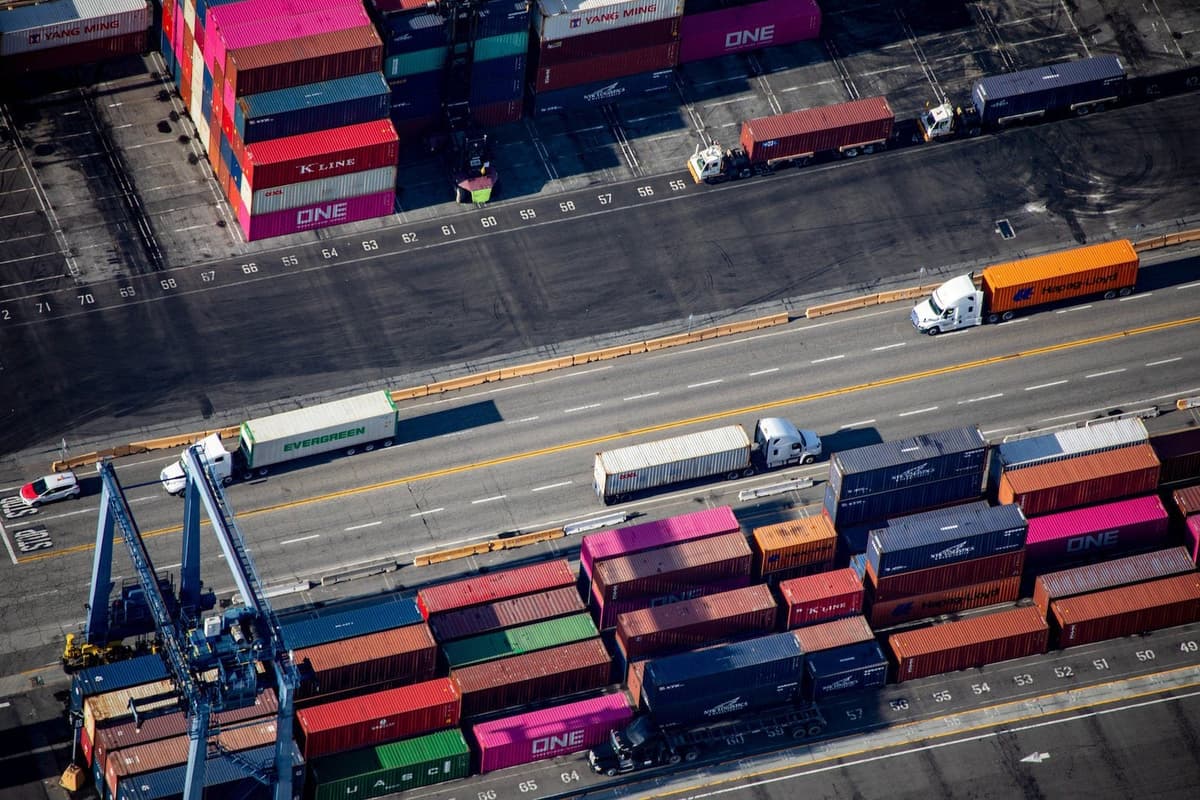
Supply Chains Brace for Renewed Turbulence as Supreme Court Strikes Down Trump Tariffs
The U.S. Supreme Court ruled 6‑3 that the International Emergency Economic Powers Act does not give the president authority to impose the sweeping tariffs enacted under the Trump administration, effectively nullifying roughly $175 billion in duties. Ports and logistics firms are...
By gCaptain