
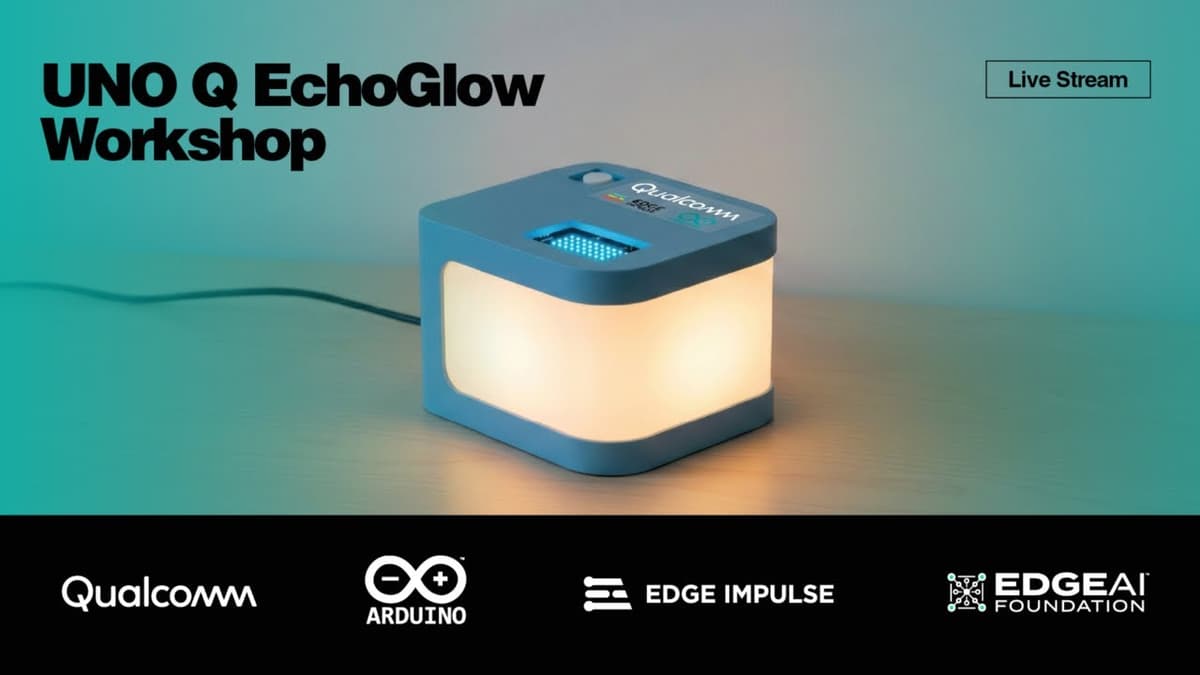
UNO Q EchoGlow Workshop - Part 2
The second part of the UNO Q EchoGlow workshop walks participants through preparing the hardware and deploying a keyword‑spotting AI model to turn the board into a smart lamp. It begins with updating Arduino boards, installing the pre‑packaged EchoGlow brick in App Lab, and cloning the Qualcomm Arduino EdgeWS GitHub repository before running a series of Linux commands on the device. Key steps include verifying the seven‑out‑of‑seven setup checks, performing a pseudo‑reboot, and selecting the Arduino Uno Q Qualcomm chip as the deployment target. After building the model, the workflow generates an EIM file, which must be saved and marked “in use” before flashing the board. The presenter emphasizes safety – warning that an untested model can be discarded – and highlights practical details such as copying example sketches, naming conventions, and the back‑and‑forth authentication between Edge Impulse and Arduino App Lab. Hardware assembly is covered in depth, with three custom PCBs (microphone, LEDs, shield) connected via ribbon and flat cables, and tips for correctly orienting connectors. Successfully completing these steps enables developers to prototype an AI‑enabled EchoGlow lamp, demonstrating a full end‑to‑end pipeline from model training to physical product integration, and illustrating best practices for edge‑AI deployment on Arduino’s Qualcomm‑based platform.
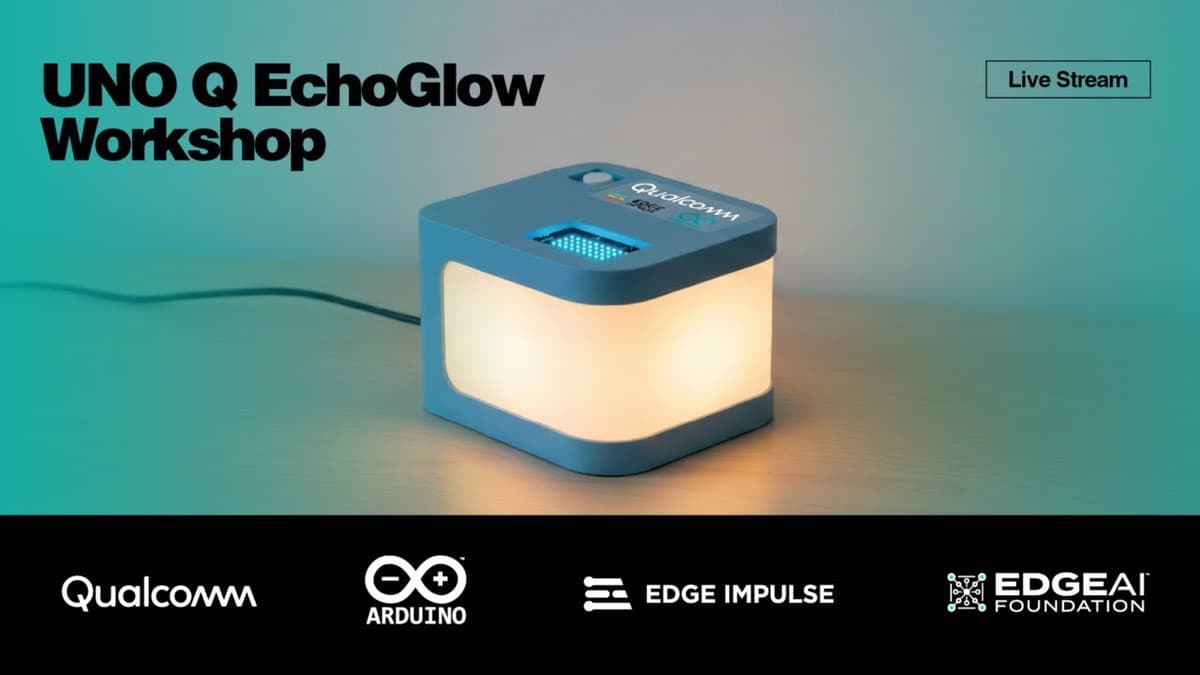
UNO Q EchoGlow Workshop - Part 1
At Edge AI San Diego 2026, Qualcomm, Arduino, Edge Impulse, and Supplyframe DesignLab hosted a hands‑on workshop featuring the new Arduino UNO Q. Attendees collected voice data, trained an on‑device AI model with Edge Impulse, and built a custom LED...

Magnetic-Suspension Hoverboard Is Only 11 Years Late
Colin Furze has built a hoverboard‑style longboard that hovers using the repulsive force of four massive neodymium magnets. The device restricts motion to a single vertical axis, eliminating lateral instability by employing rear‑mounted pins and linear bearings. After early prototypes...

What Is a Computer?
Modern flagship smartphones now match entry‑level laptops in CPU speed and RAM, prompting questions about their viability as primary computers. However, the Android operating system and Google’s tightening security policies prevent many essential desktop applications and limit sideloading of arbitrary...
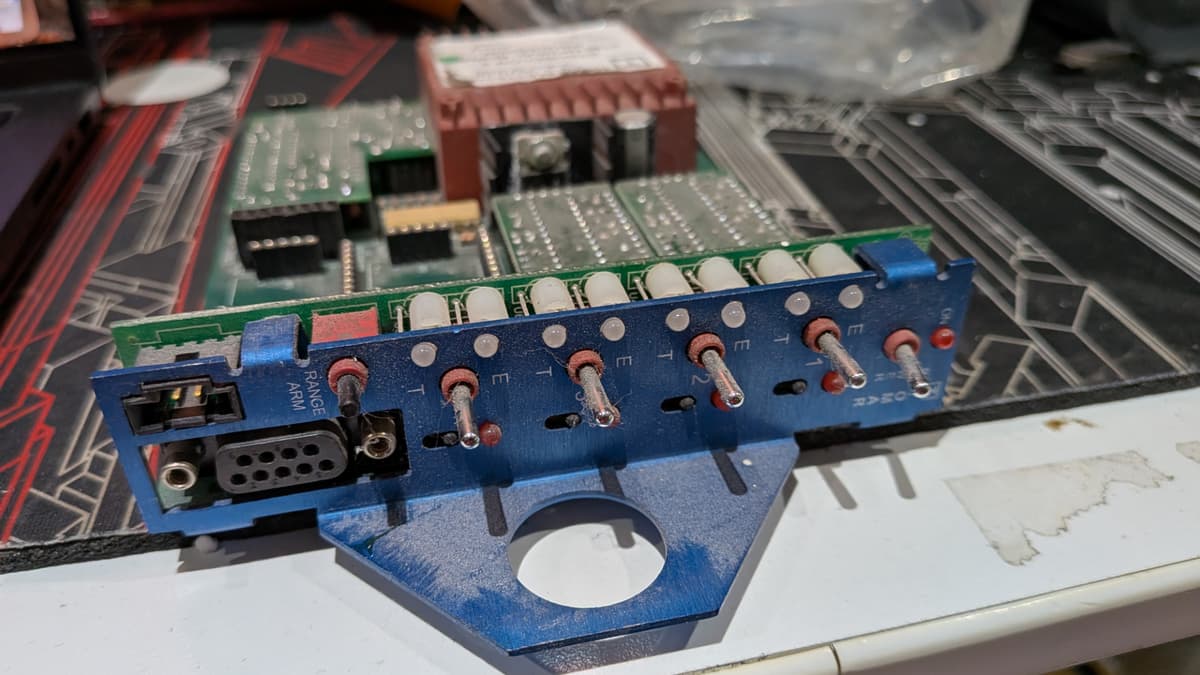
Spoofing an Emergency Traffic Preemption Signal
Security researcher xssfox reverse‑engineered a Tomar Strobecom II emergency vehicle preemption (EVP) system and demonstrated that an Arduino‑based infrared transmitter can spoof the signal to turn traffic lights green. The analysis revealed the protocol relies on pulse‑skipping infrared bursts and...

Neither Android nor iOS: DIY Smartphone Runs on ESP32!
Maker LuckyBor has built a functional 4G smartphone using an ESP32‑S3 as its core processor. The device combines a SIMCOM A7682E modem, an OV2640 camera, a 3.5‑inch touchscreen and a 3.5 mm audio jack, delivering call, text and web capabilities despite...
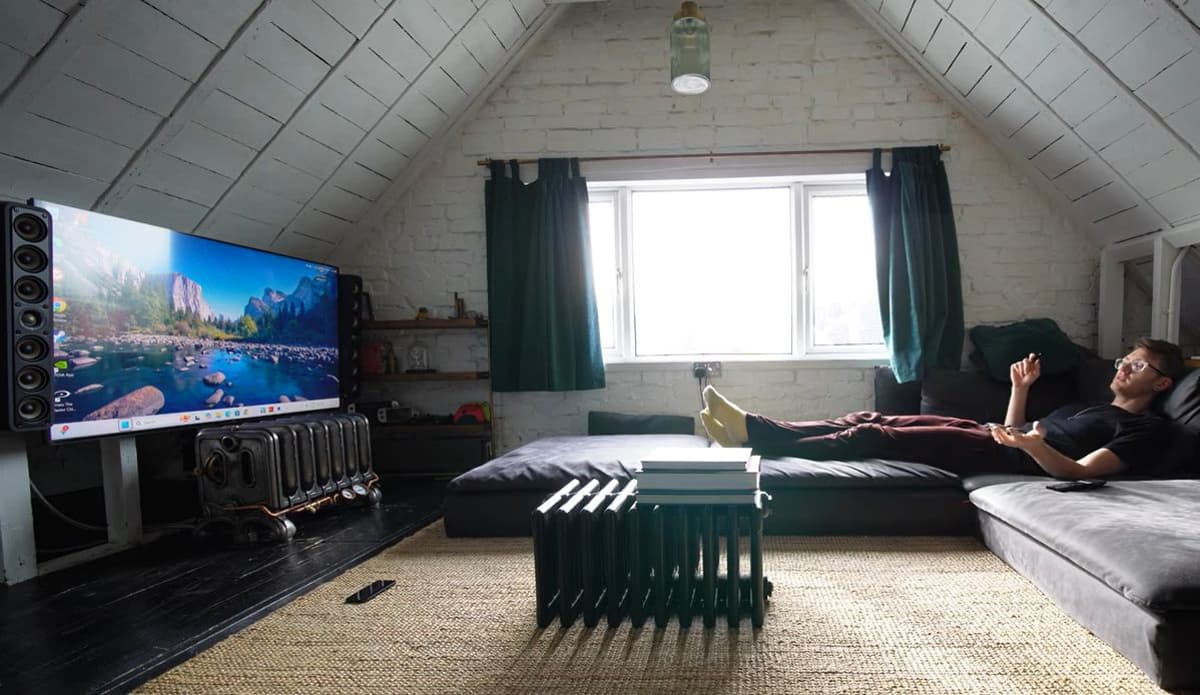
Turning a Cast-Iron Radiator Into a Water-Cooled PC
Billet Labs transformed a Victorian‑era cast‑iron radiator into a fully water‑cooled PC, a project that took three months to perfect. The 99‑kilogram system houses a substantial water volume, resulting in only a two‑degree temperature rise during stress testing. While the...
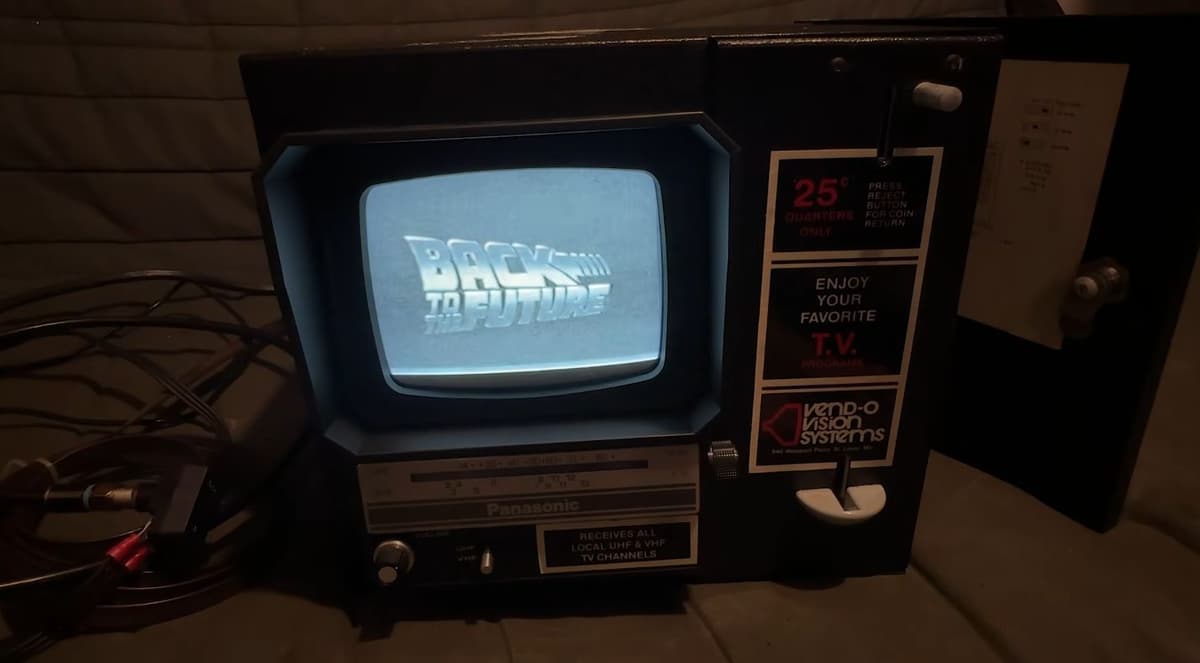
Vend-O-Vision: Trading Quarters for Watching TV in Public
Mini‑TV USA launched the Vend‑o‑Vision in 1989, a coin‑operated black‑and‑white television that dispensed 10‑20 minutes of viewing per quarter. The device combined a standard Panasonic TV with a timer linked to a coin mechanism, allowing users in laundromats, restaurants, and...
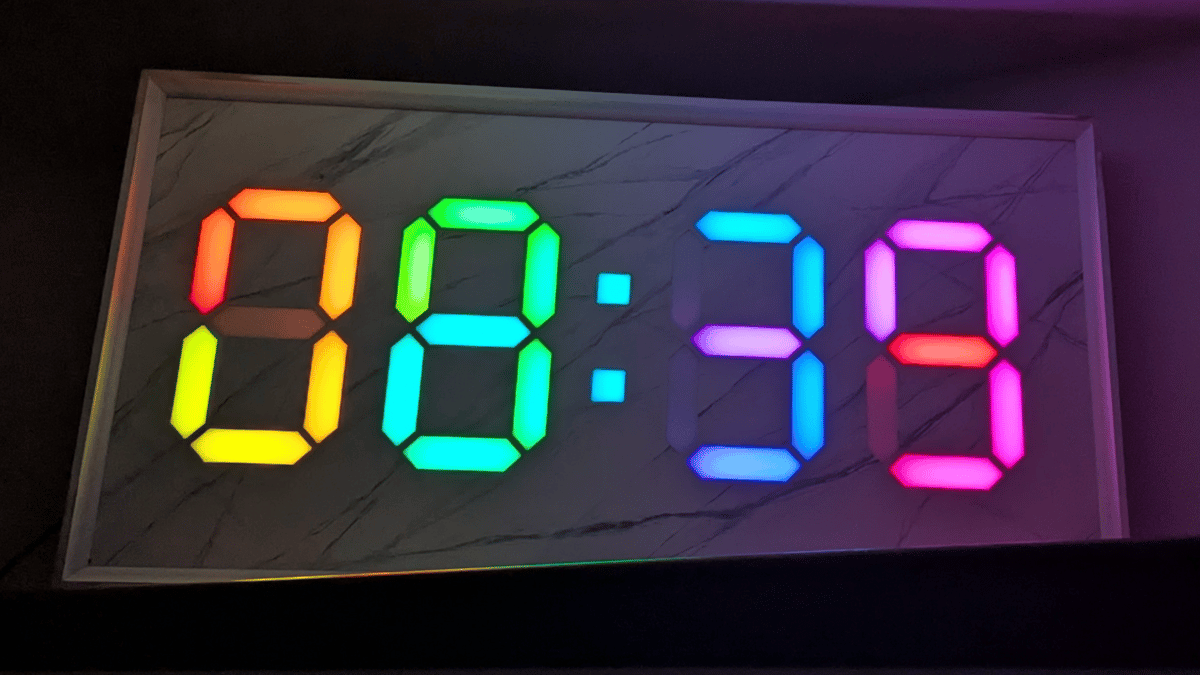
This LED Strip Clock Aims to Make Your Next One Easier, Too
The Pixel Clock is a DIY 7‑segment LED strip clock built on a Wemos D1 Mini and WS2812 LEDs, featuring a CNC‑routed MDF enclosure with a marble finish. It offers a web‑based UI that lets users map LEDs to segments, adjust NTP...

The Joys of 3D Printing
The article explores why hobbyists gravitate toward 3D printing, ranging from machine‑tuning experiments to creating functional daily‑use objects and decorative items. It highlights a niche of “hobbyist industrial designers” who craft custom solutions—like a dog‑poop‑bag holder—purely for the joy of...

Inside a Compact Intel 3000 W Water-Cooled Power Supply
Intel’s reference 3 kW server power supply packs 3000 W into a compact chassis by employing a water‑cooled block between two large PCBs. The unit achieves 80 Plus Platinum efficiency using an interleaved totem‑pole PFC stage with 600 V GaN FETs and a phase‑shifted...