
Why Your Body Feels Different After 30 — and What You Can Do About It
Turning 30 triggers subtle physiological shifts that affect energy, metabolism, and recovery. Hormone fluctuations, gradual muscle loss, and rising stress levels lead to slower metabolism, altered body composition, and longer post‑workout soreness. The article advises targeted strength training, increased protein distribution, and improved sleep hygiene to counteract these changes. It also highlights the importance of stress management and personalized medical guidance, such as hormone testing, for optimal health in the 30s.

The Unchanged ROI Question: What Ambient AI Is Actually Delivering in Financial and Operational Returns
Ambient AI entered healthcare as a digital scribe, delivering 20‑40% documentation time reductions and easing clinician burnout. As pilots grew into enterprise rollouts, finance leaders began demanding returns beyond reclaimed hours. The technology’s next phase—real‑time autonomous coding and integrated denial...
Building Support Systems for Digital Health Innovators
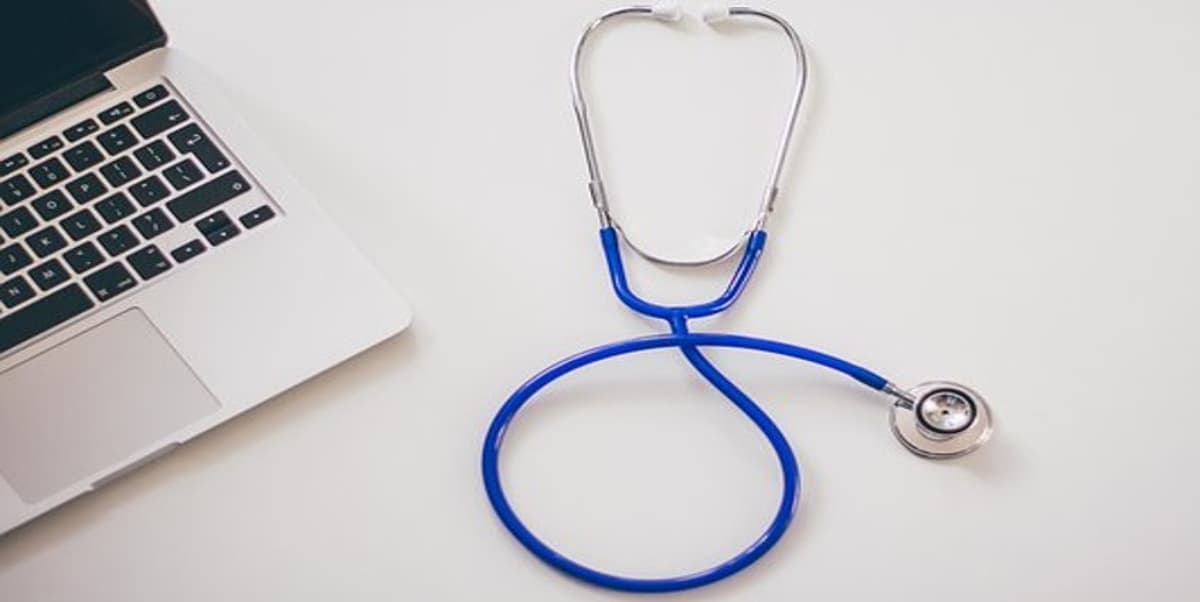
Digital health innovators require structured support systems to move from concept to clinical impact. The article outlines how regulatory navigation, technical mentorship, education, and institutional ecosystems collectively reduce risk and accelerate product readiness. Early integration of quality, compliance, and clinician...
Overcoming Challenges in Medical Device Manufacturing
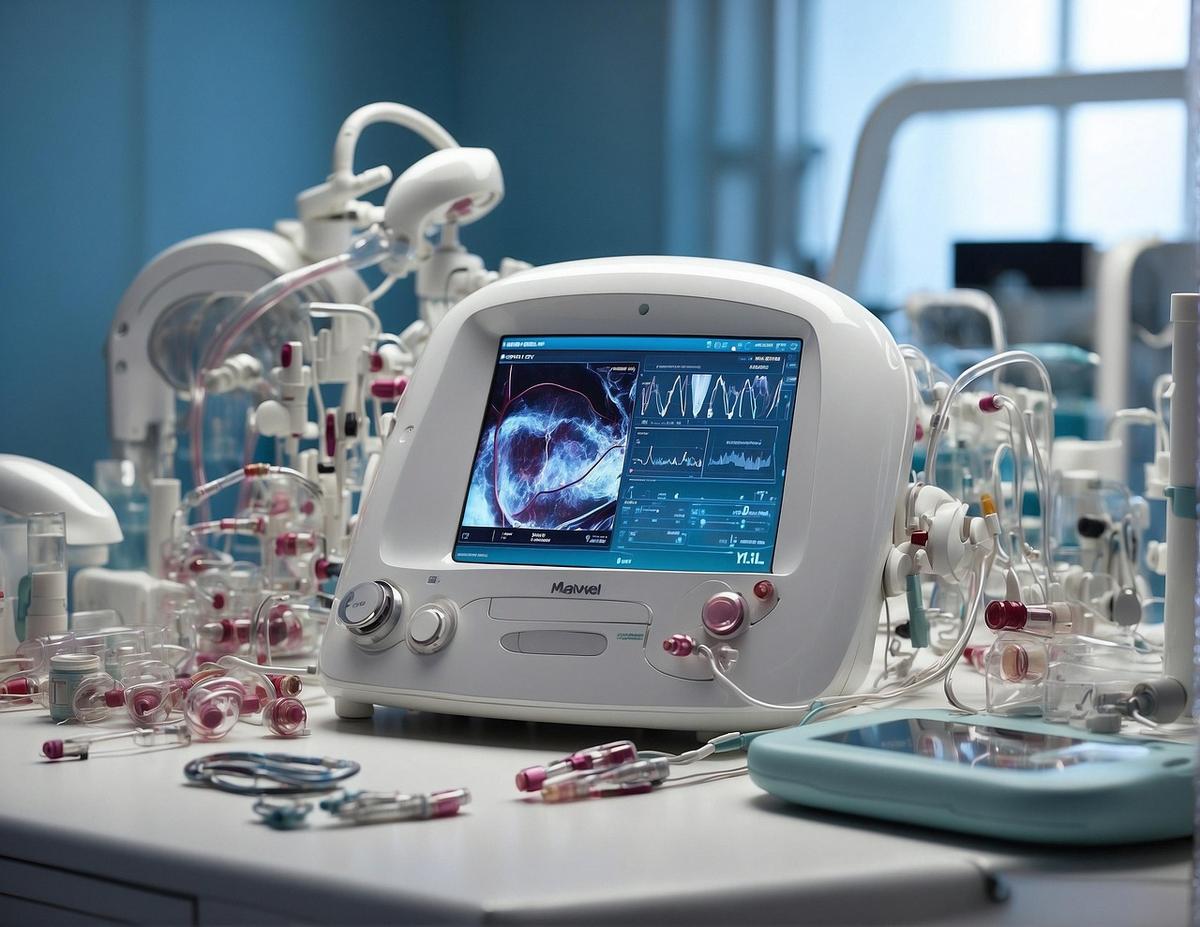
Medical device manufacturers face heightened scrutiny as product performance directly impacts patient safety, making supply chain reliability critical. Inconsistent materials, assembly errors, or poor documentation can trigger regulatory action, production delays, and costly field corrections. The article outlines practical steps...

How Cerec Crown Technology Works in Cary NC Dental Offices
CEREC crown technology lets Cary, NC dental offices design, mill, and place a custom ceramic crown in a single visit using digital scans and CAD/CAM software. The workflow eliminates traditional impressions, reduces chair time, and delivers a precise, aesthetic restoration....

3D Orthodontics: Revolutionizing Diagnostics and Treatment
Digital imaging, especially 3D scanning and advanced radiography, is reshaping orthodontic diagnostics and treatment planning. These tools generate highly detailed virtual models and clearer X‑ray images while exposing patients to less radiation. The technology enables personalized treatment plans, real‑time monitoring,...
How AI Is Transforming Dermatology Care in Austin
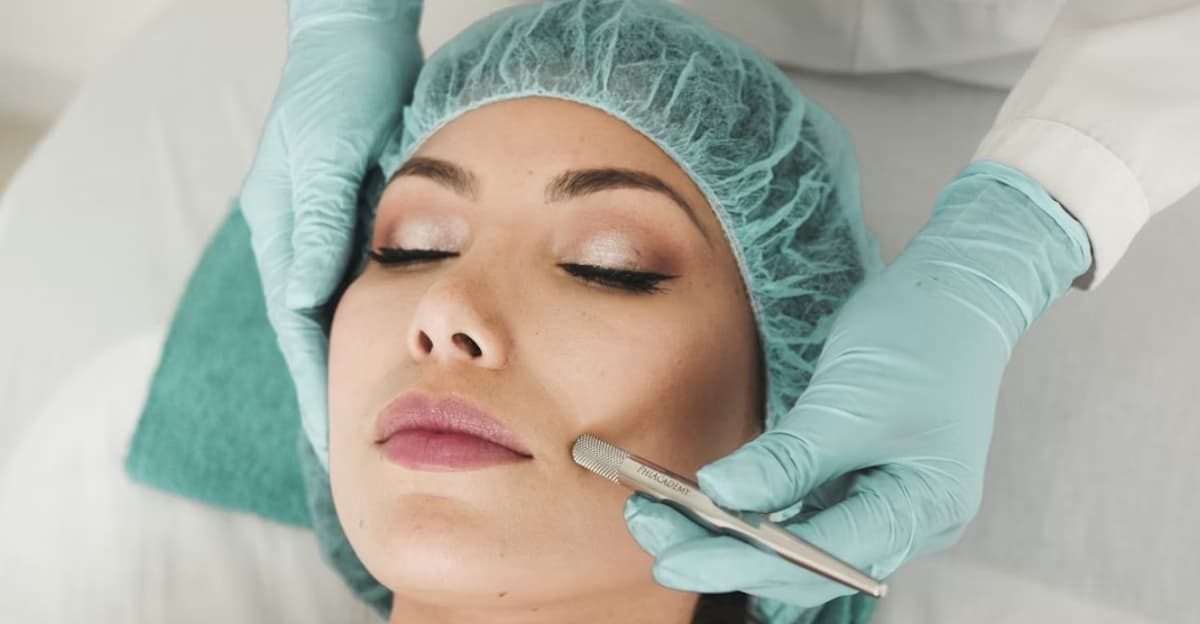
Artificial intelligence is now embedded in Austin dermatology clinics, where AI‑driven imaging tools assist physicians in diagnosing skin lesions, classifying conditions, and tracking treatment progress. Studies show deep‑learning models can match dermatologist accuracy for skin‑cancer detection, offering a secondary safety...
How Handheld Ultrasound Systems Improve Point-of-Care Imaging
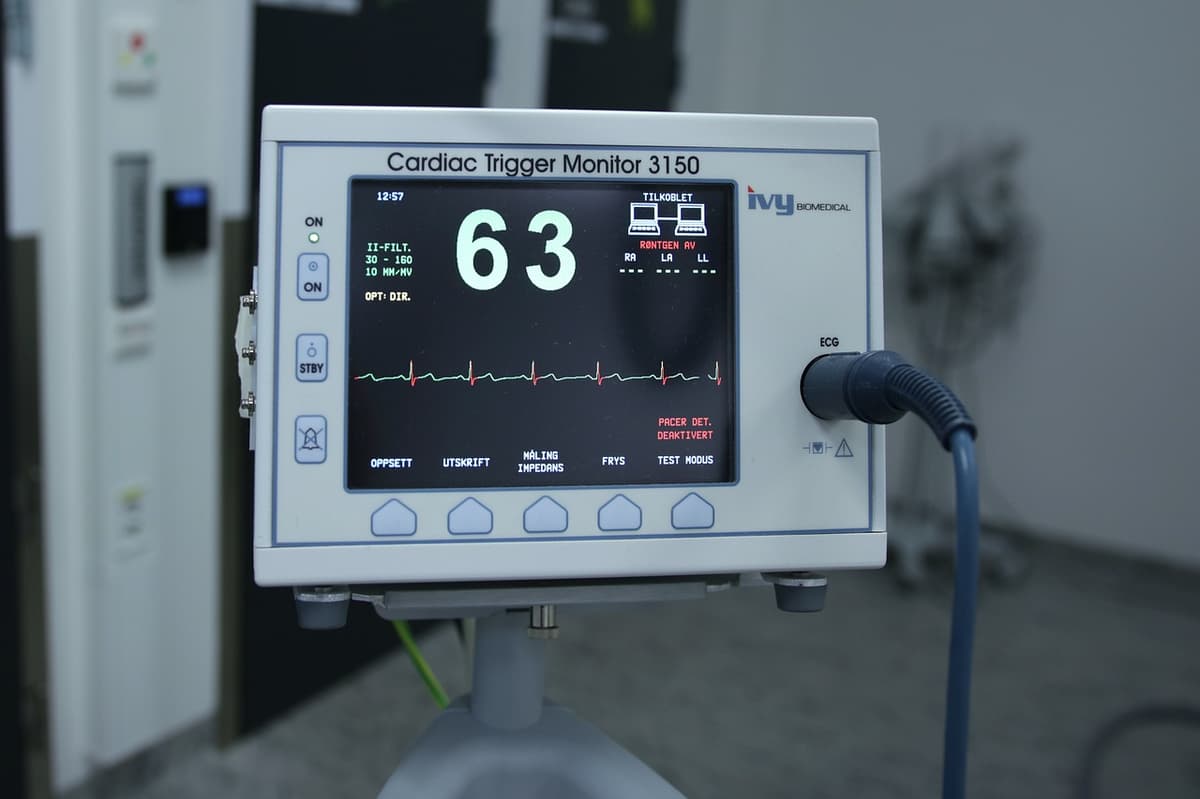
Handheld ultrasound systems are reshaping point‑of‑care imaging by delivering portable, real‑time diagnostic capability directly at the bedside. Their lightweight design allows clinicians to move quickly between patients, cutting imaging wait times and supporting rapid decision‑making in emergencies. The technology also...

4 Ways a Technology-Enabled Medical Center Can Improve Your Weight Loss Journey
Obesity affects over 42% of U.S. adults, prompting a surge in weight‑loss solutions. Technology‑enabled medical centers combine clinical expertise with digital tools to deliver data‑driven, personalized programs. By continuously monitoring biomarkers, body composition and activity, they adapt nutrition and exercise...

Overloaded with Patient Records? How MVSPlus Keeps You Organized
Healthcare providers are drowning in ever‑growing patient records, leading to missed follow‑ups, delayed appointments, and staff burnout. MVSPlus offers a dedicated virtual assistant that cleans, updates, and organizes charts in real time, integrating seamlessly with existing workflows. By handling routine...

How Digital Health Platforms Are Transforming Access to Time-Sensitive Care
Digital health platforms are reshaping time-sensitive care by streamlining scheduling, triage, and data integration. They enable remote consultations, automated intake, and real‑time record sharing, reducing wait times and geographic barriers. Clinical oversight remains central, with licensed providers reviewing algorithmic recommendations...